
Seattle Hard Money Lender: Fast Funding, Smarter Capital Stacks for Washington Investors

Seattle Hard Money Lender: Fast Funding, Smarter Capital Stacks for Washington Investors
How Seattle Hard Money Lenders Fit into Your Investment Strategy
Most real estate investors in Seattle don't lose deals because a hard money lender said no. They lose deals because they couldn't cover the $50,000 to $150,000 the lender didn't fund. Washington's real estate market remains strong for investors, with a median home value around $780,000 in the city proper and roughly 22% of transactions being investor led. Across King, Pierce, and Snohomish counties, hard money lending is the go to tool for fix and flip, BRRRR, and small commercial real estate projects where speed and flexibility matter more than a 30 year fixed rate.
Gap Funded is not a hard money lender. We help investors complete their capital stack around a primary hard money loan, covering down payment, rehab overages, closing costs, reserves, and working capital without equity splits or liens on the deal property.
If you have a 650+ FICO and a deal in the pipeline, check your funding options here with a soft pull and zero obligation.
What Is a Hard Money Lender in Seattle and Washington State?
Hard money lenders are private or institutional lenders offering short term real estate loans secured by real estate. Unlike conventional lenders, local hard money lenders focus on property value, not credit or income ratios. Asset based underwriting focuses primarily on the property's value rather than personal income, which means distressed, unpermitted, or non conforming properties are fair game.
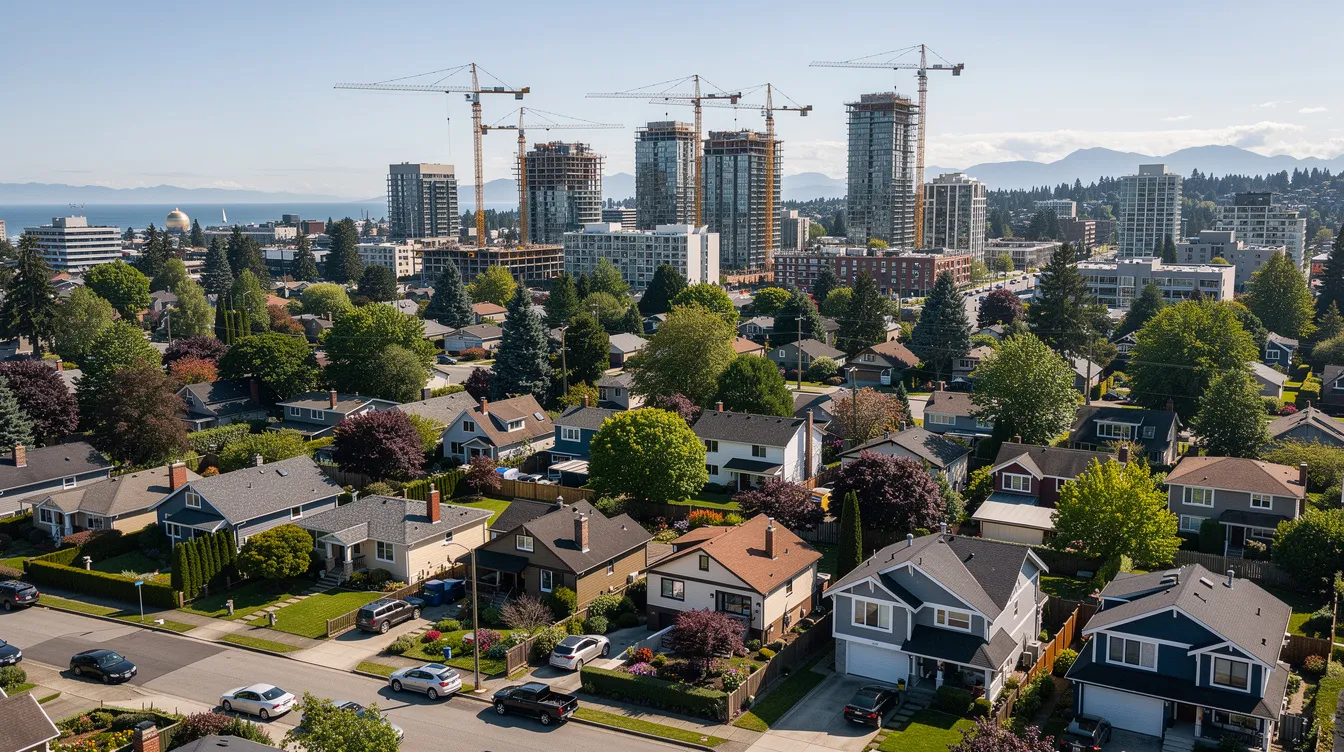
In the Pacific Northwest, common use cases include urban infill projects in Seattle, duplex and triplex rehabs in Tacoma, ADU additions on the Eastside, and small mixed use buildings in Ballard or Capitol Hill. The multi unit strategy is a hot trend among Washington investors, and Seattle is favourable for condo purchases compared to other regions. Kitsap County offers lower price points for emerging investment opportunities too.
Local lenders to know include Eastside Funding, which can close loans within 72 hours, Flynn Family Lending, which can close loans in as few as 10 days, and Rain City Capital, which offers bridge and fix and flip loans in Washington. Hard money loans are ideal for house flipping and commercial real estate but are generally not designed for routine home financing. Interest rates for hard money loans range from 8% to 15%, with loan terms spanning 6 to 24 months and funding possible in as little as 5 to 10 business days. Local real estate markets affect lender offerings and loan terms significantly, so Spokane terms won't match Seattle terms, and Olympia won't match Tacoma.
How Hard Money Loans Work in Seattle: Structure, Terms, and Local Use Cases
A hard money loan in Washington is structured around loan to value (LTV), after repair value (ARV), origination points, and an interest rate. Loan amounts are based on the property's after repair value, and lenders may require a credible exit strategy to approve a loan, whether that's a flip sale or a refinance into a long term rental hold.
Here's a concrete example. An investor buys a 1950s rambler in West Seattle for $520,000 with a $120,000 rehab budget and an estimated ARV of $825,000. A Seattle hard money lender might fund 80% to 90% of the purchase plus 100% of rehab draws, disbursed based on project milestones rather than upfront. Hard money loans fund fix and flip projects, construction projects, and purchasing rental properties alike. Borrowers typically need a credit score of 650 or higher to qualify, and lenders often require the borrower to have cash reserves for project completion costs. Hard money loans often require interest only payments during the loan term.
Other local scenarios include short term bridge loans on a Queen Anne fourplex, acquisition financing for a small retail building in Tacoma, or construction loans for townhomes in Shoreline or Lynnwood. Many hard money lenders prefer experienced real estate investors, but strong collateral and a realistic plan can overcome a limited track records.
What Seattle Hard Money Loans Really Cost (and Where the Funding Gap Appears)
Hard money loans have higher costs than traditional loans. That's the trade off for quick financing and flexible underwriting. Common fees include origination fees usually between 1% and 4%, plus appraisal, title, escrow, and permit holding costs. Hard money loans can close in as little as 10 days, but speed comes at a price.
Take a $650,000 Seattle purchase with $150,000 in rehab and an ARV of $950,000. At 80% LTV, the lender funds $520,000 for the purchase and stages rehab draws. Your cash to close looks something like this:
| Cost Category | Estimate |
|---|---|
| Down payment (20%) | $130,000 |
| Origination (2 points) | $10,400 |
| Closing, title, escrow | $5,000 to $15,000 |
| Holding costs (9 months) | $5,000 to $15,000 |
| Reserves and contingency | $7,500 to $15,000 |
That's $150,000 to $180,000 beyond what the lender disburses. Many strong deals die in Washington not because the hard money lender rejected the property but because the investor couldn't cover that last gap. And borrowers may lose the property if they fail to repay, so undercapitalising a project is a real risk.
Alternatives and Complements to Working with a Seattle Hard Money Lender
Smart investors in WA combine tools. Banks and credit unions offer the lowest rates but move slowly and won't touch distressed properties. DSCR loans work brilliantly once a property is rehabbed and rented. HELOCs tap existing equity but require underwriting. Private money or gator lending from friends, family, or partners can fill earnest money gaps, but equity splits eat your profit. Washington's rental market also faces challenges due to tenant friendly laws, which can complicate long term hold strategies for some investors.
The aim is a capital stack that lets you capitalise on opportunities without surrendering control.
How Gap Funded Helps Seattle Real Estate Investors Close Deals Around Hard Money Loans
We work with Seattle and Washington State investors who have or plan to get a primary hard money or DSCR loan. We cover the rest: down payment and closing costs, rehab overages, earnest money deposit financing, carrying costs, and business working capital.
Our tools, in the order that matters:
- Unsecured term loans for down payment and closing costs
- 0% intro APR business credit card stacking for rehab materials and predictable draws
- HELOCs on primary or investment property equity for flexible, reusable capital
- Business lines of credit and term loans for investors with 2+ years in business and $20k or more per month in revenue
We don't place liens on the deal property, don't take equity, and run soft credit pulls. That makes us compatible with virtually every hard money lender, private money source, or DSCR lender you're already working with.
Putting It All Together: Example Seattle Deals Using Hard Money Plus Gap Funding
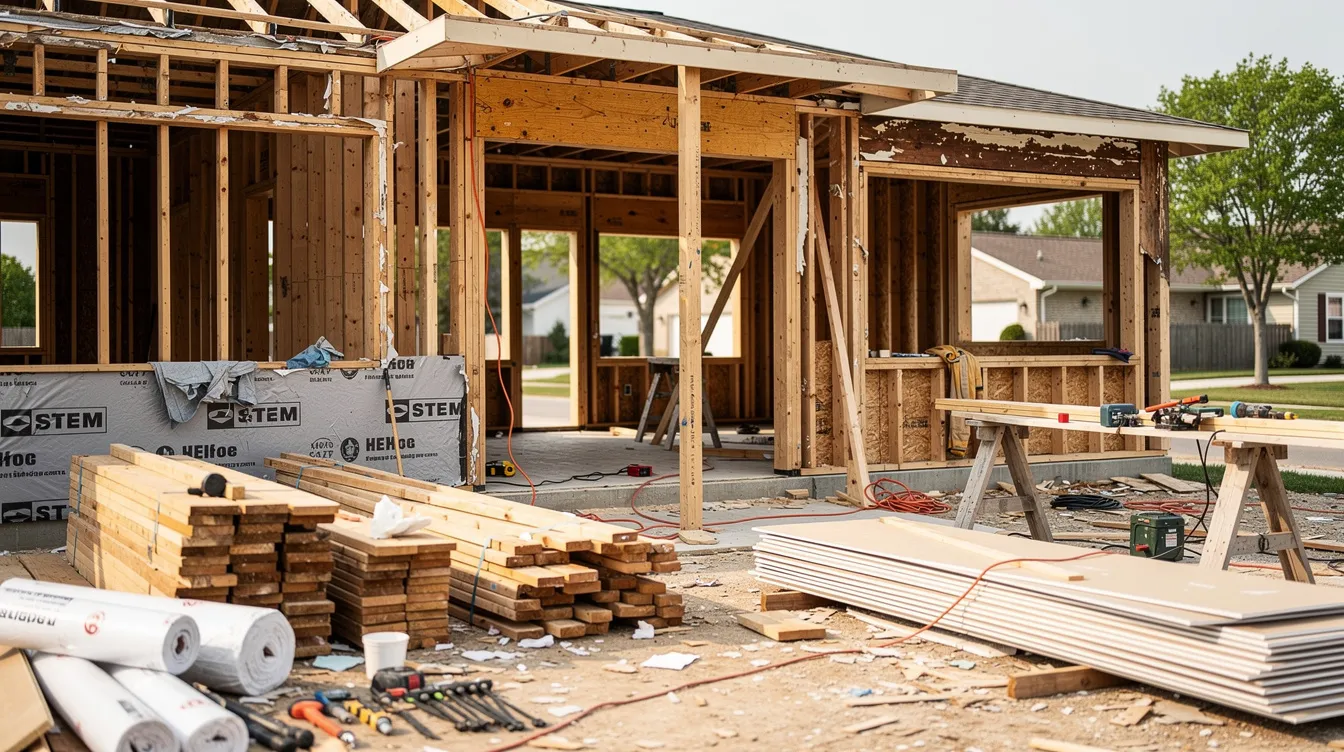
Fix and Flip in Tacoma. Purchase at $400,000, rehab $100,000, ARV $620,000. Hard money covers 85% of the purchase ($340,000) plus rehab draws. The investor needs $60,000 for the down payment and closing. Unsecured gap funding and card stacking cover it. No equity partner, full profit retained.
BRRRR in Shoreline. Acquisition at $550,000 via hard money, $90,000 rehab, ARV $780,000. HELOC funds carrying costs and rehab overages. After lease up, the investor refinances into a DSCR loan and pays down the HELOC with cash out proceeds. Rinse and repeat.
Mixed Use in Kent. A small commercial property acquired with a bridge loan. The investor is $75,000 short on closing and contingency. A combination of unsecured term loans and a business line of credit from Gap Funded's suite of services closes the gap without giving up a cent of equity on land or building.
Next Steps for Seattle Real Estate Investors and Hard Money Brokers
Hard money lenders are essential for many Washington real estate investments, but they rarely fund 100% of the capital needed. Understanding how to fill that gap is what separates investors who grow from those stuck watching from the sidelines.
Here's what I reckon you should do next:
- Clarify your strategy: fix and flip, BRRRR, short term rental, or small commercial
- Talk with at least one reputable Seattle hard money lender about primary loan terms
- Request a funding review with Gap Funded to map out your down payment, rehab, and working capital options before you write your next offer
If you're a hard money broker, wholesaler, or business loan broker across Washington locations from Seattle to Spokane, explore our partner programme and send your clients to us for gap capital.
The right deal, a responsive Seattle hard money lender, and a smart gap funding plan mean you can pursue more opportunities across Washington without giving up equity or control. That's a capital stack worth being proud of.
Related Reading
This article is for educational purposes only and isn't financial, legal, tax, or investment advice. Credit and financing outcomes depend on your own situation. Talk to a licensed financial professional before making funding decisions for your business.