
Rental Loan: How to Cover Rent Fast Without Jeopardising Your Future Deals

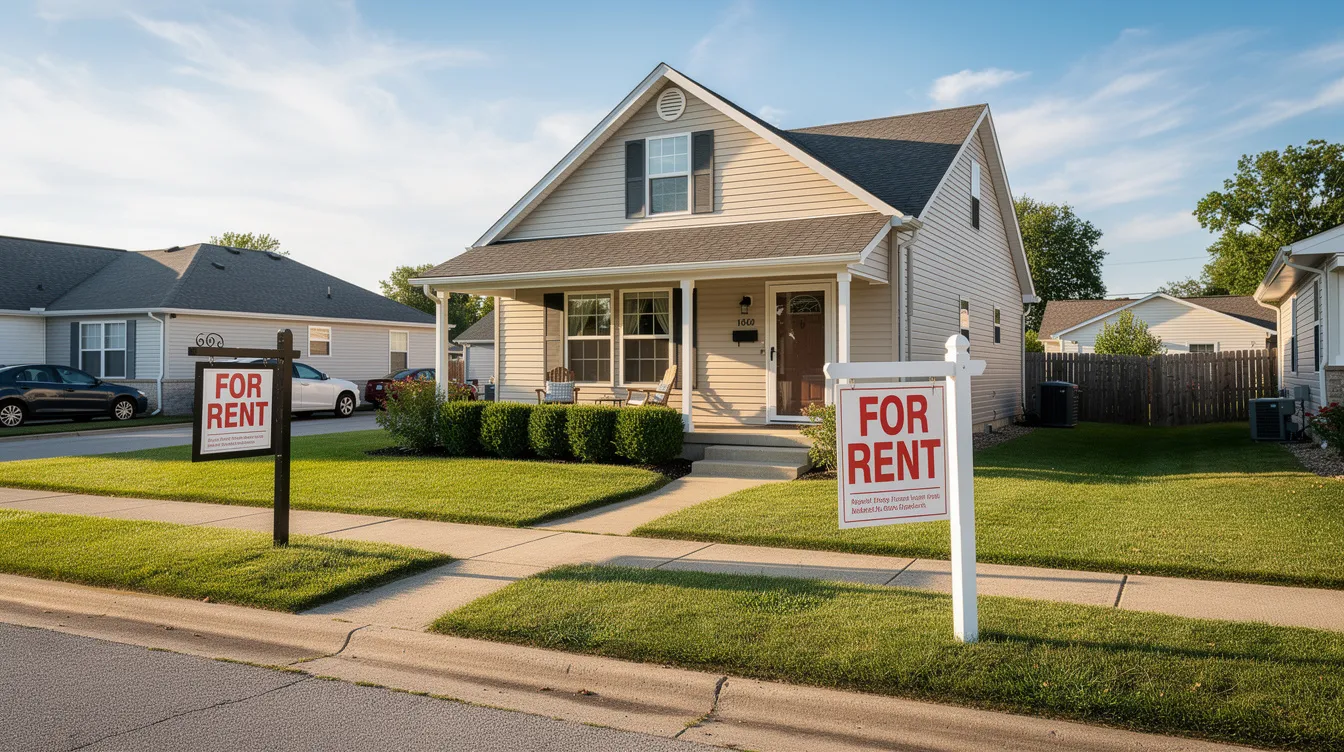
Rental Loan: How to Cover Rent Fast Without Jeopardising Your Future Deals
Your flip is three weeks from closing, your tenant hasn't paid on the rehab property, and your own rent is due in nine days. Sound familiar? Here's how to bridge that gap without torching your credit or killing your next deal.
What Is a Rental Loan and When Should You Use One?
A "rental loan" means two things depending on who you are. For investors, a rental loan is used to buy or refinance property intended for rental income. For someone staring down a rent due date with no funds in the account, it means borrowing via a personal loan, 0% credit cards, or a short term bridge to cover housing costs before eviction hits.
Typical use cases in 2025 and 2026 include:
- Job loss or medical expenses wiping out your cash buffer while a deal is in progress.
- Closing delays on a real estate acquisition leaving you short on personal rent and holding costs simultaneously.
- Sudden rent hikes in hot markets like Phoenix, Austin, or Miami squeezing residents who are also trying to invest.
- Contractors waiting on draw schedules with no income for weeks.
Emergency rent loans are typically short term, one time loans designed to get you through a single crisis, not an ongoing subsidy. That's different from rental assistance (government grants for eligible renters) and standard personal loans used for general expenses.
The pros: speed, avoiding eviction, protecting your credit and housing references. The cons: interest can stack up fast, overborrowing makes things worse, and secured options put your home or investment property at risk.
Gap Funded focuses on helping real estate investors, contractors, and new business owners close funding gaps linked to rent and rental properties. We don't do payday style lending. We help you keep your life and your deals running at the same time.
Emergency Rent Loan vs. Rental Assistance Programs
Renters under financial stress typically weigh two paths: a private emergency rent loan or a public rental assistance program. Sometimes you end up using both if assistance arrives too late.
Emergency rent loans from private lenders or fintech platforms can deliver funds in days, not weeks. Amounts typically range from $1,000 to $10,000 with repayment terms from a few months up to five years. Emergency rent loans help avoid late fees and penalties that compound fast. Most lenders require proof of income for these loans.
Public rental assistance works differently. Emergency rental assistance programs provided over $46 billion during COVID-19 and helped over 13,000 families stay housed. Organisations like Esusu provide up to $5,000 in rental assistance for eligible renters. But many ERA style programs ended by September 2025, and remaining state or local department resources are limited.
How to quickly check what's still available:
- Call 211 to identify rental assistance options in your area.
- Visit your local housing authority website or city and county rental assistance portals.
- Local nonprofit organisations are recommended for rental assistance resources and can often point you to programs you'd never find on Google.
Gap Funded does not replace government rental assistance. We step in when business owners and investors need money faster than those programs can respond or when primary lenders won't cover rent, reserves, and deal costs together.
Types of Rental Loans: From Basic Personal Loans to Investor Focused Funding
The term "rental loan" covers everything from a $2,000 emergency rent loan to a six figure investment property acquisition. Here's what actually matters by use case.
For tenants in a one time emergency:
- Unsecured personal loans from banks or fintech lenders offer fixed rate, fixed term borrowing (usually 2 to 7 years). Good for covering back rent or consolidating rent related credit card debt.
For investors and landlords:
- Lenders primarily evaluate rental loans based on property income rather than personal income. Rental loans often do not require personal income verification. Instead, lenders use market rent estimates to evaluate a property's income potential, and up to 80% of gross projected rental income is considered in loan calculations.
- Rental loans can be structured as fixed rate or adjustable rate mortgages. Investors often choose to close rental loans under an LLC for asset protection.
- Conventional mortgage loans typically analyse both personal finances and property income, while DSCR loans allow qualification primarily through property cash flow.
- Hard money loans are often used for quick property acquisitions or renovations where speed matters more than rate.
For startup business owners covering personal rent and business launch:
- 0% APR business credit card stacking can cover short term rental payments and project costs for 6 to 18 months interest free. This is a Gap Funded specialty.
- A mix of unsecured term loans and business lines of credit can bridge the gap until business revenue stabilises.
Key Loan Terms to Watch Before You Borrow for Rent
Even when you're stressed about an upcoming rent due date, skipping the fine print costs more than the late payment would. Here's what to review:
- APR and total cost: Higher risk leads to interest rates on rental loans typically being 0.5% to 1.5% higher than primary mortgages. Lenders examine credit scores with a minimum requirement around 620 to 680 for rental loans. High interest personal loans for rent can significantly increase monthly financial obligations over the life of the loan.
- Down payment: Lenders typically require a down payment of 15% to 25% for rental properties. That's a fair whack of capital you need ready or funded through gap tools.
- DSCR: The Debt Service Coverage Ratio measures rental income against monthly debt obligations. A DSCR of 1.0 means rental income exactly covers mortgage payments. Most lenders prefer a DSCR above 1.2 or 1.25 for safety against vacancies. Effective cash flow calculations consider monthly rent minus operating expenses and loan payments. Learn more about this in our annual debt service calculation guide.
- Cash reserves: Lenders usually ask for several months of cash reserves for rental loans.
- Fees: Watch for origination fees, late payment penalties, prepayment fees, and balance transfer fees on 0% cards.
- Credit impact: Taking a personal loan can increase debt to income ratios and potentially impact credit scores. A hard credit pull stays on your report. Gap Funded's initial funding review uses soft pulls where applicable, so there's no impact to credit just to see your options.
- Fixed vs variable: If you're covering rent for 3 to 6 months under uncertain income, a fixed rate personal loan is generally safer than a variable rate line of credit.
Application Process: From "I Can't Make Rent" to Funds in Your Account
If you're within 5 to 10 days of rent being due, here's the quick process most lenders follow.
Documents you'll typically need:
- Government ID
- Proof of income: pay stubs, 1099s, or business bank statements
- Recent bank statements (2 to 3 months)
- Landlord or lease details if the lender requests them
How a typical online application works:
- Fill out a pre qualification form with basic info, estimated credit score, and income range.
- Receive a soft credit check where available to review offers without hurting your score.
- Upload documents, review final loan terms, and e sign.
How Gap Funded's process works:
- Start at gapfunded.com/apply with a quick form.
- We review scenarios where rent is tied to real estate deals, whether that's reserves on a BRRRR, a short term rental launch, or living expenses while a flip closes.
- Many clients receive approvals within days and can align funding with their upcoming rent cycle.
Before you apply, get clear on three things: the exact rent shortfall, how many months you realistically need to cover, and your exit plan (new job start date, deal closing date, or lease ending pivot). Lenders want to see you've thought past the emergency.

How Gap Funded Helps Investors and Business Owners Bridge Rental Gaps
Here's the core problem I see every week: your primary lender or cash flow won't cover everything at once. Rent, down payment, closing costs, rehab, and reserves all compete for the same pool of money.
Common funding gaps we close:
- Down payment and closing costs on an investment property while you still owe personal rent each month.
- Rehab and holding costs (including your own housing) during a 3 to 6 month fix and flip.
- Working capital and personal living expenses during the first 6 to 12 months of a startup or business acquisition.
The tools we use, in order (and the order matters for approval sequencing):
- Debt consolidation to clean up high interest debts, free cash flow, and improve your debt to income ratio before stacking more capital.
- Unsecured gap funding via personal term loans to cover rent, reserves, and immediate shortfalls.
- 0% APR credit card stacking to cover short term expenses interest free while deals season.
- Asset based options for qualified investors: HELOCs, hard money, or DSCR loans paired with gap funding so both the property and your personal rent are covered during stabilisation. Read more about capital stacking strategies to see how these tools work together.
Realistic qualification: Typical client FICO range is 650 to 800+, with verifiable income or business revenue and the ability to articulate an exit strategy. No equity split, no liens on the deal property for unsecured options, and soft credit pulls to explore scenarios.
I'll be candid: hard money lenders, MCAs, and traditional banks all have their place. But they rarely fund personal rent, reserves, or early stage families of expenses that sit outside the deal itself. Gap Funded sits in the capital stacking layer, coordinating multiple tools so rent and project financing both get handled.
If you're an investor or business owner watching rent eat into your deal budget, let's talk. Start with a no obligation funding review at gapfunded.com/apply before you miss rent or lose a deal. It takes a few minutes, uses a soft pull, and gives you peace of mind that there's a plan in place.
Related Reading
This article is for educational purposes only and isn't financial, legal, tax, or investment advice. Credit and financing outcomes depend on your own situation. Talk to a licensed financial professional before making funding decisions for your business.