
Old House Remodel Ideas: Smart Updates, Classic Charm & Funding Your Renovation

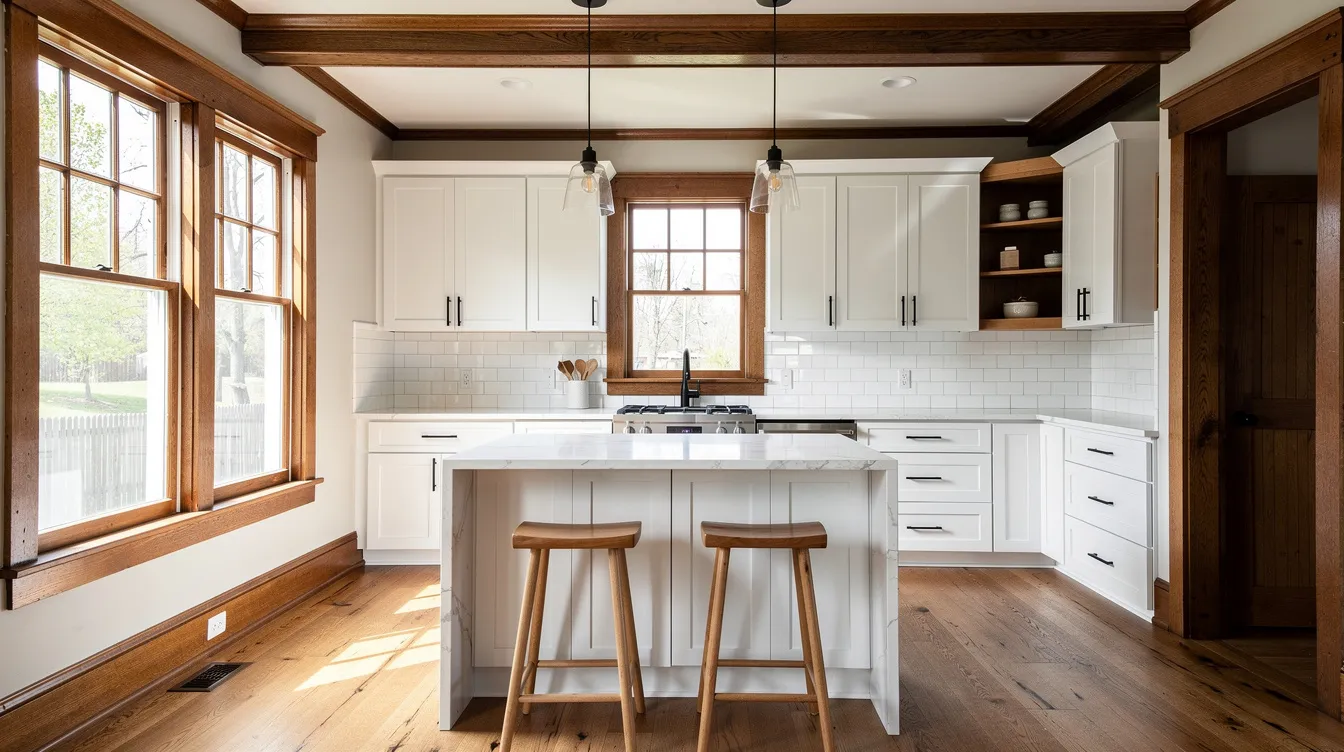
Most old houses weren't built badly. They were built for a different life. Smaller kitchens, formal rooms nobody uses, a single bathroom for a whole family, and wiring that predates your grandparents' television. Remodeling an old house is about balancing modern comfort with original character, not bulldozing everything that makes the place special.
Old houses often have unique proportions and details you simply can't replicate with new construction. High ceilings, solid wood doors, plaster walls with real texture, hand cut trim. The trick is knowing what to save, what to update, and how to pay for it when your primary loan falls short. Whether you're a homeowner who fell in love with a 1940s bungalow or an investor running a BRRRR strategy, these old house renovation ideas will help you create a practical plan.
Here's what we'll cover: structural fixes first, layout changes, kitchen and bath upgrades, flooring and lighting, preserving original features, modern systems, and how to fund the whole thing when the budget gets real.
Start With Safety & Structure: The Non Negotiable First Step
Every house renovation starts with what you can't see. Prioritise structural and functional problems over aesthetics. Inspect major systems before starting cosmetic work on a house, full stop.
What to check in older homes built before 1970:
- Electrical: Knob and tube wiring (pre 1940s) and aluminium branch wiring (1965 to 1973) are fire risks. Full rewiring typically costs $10,000 to $30,000 depending on size and accessibility.
- Plumbing: Galvanized steel pipes corrode, reduce water pressure, and leach contaminants. Replacing them runs $2,000 to $15,000 depending on bathroom count and material.
- Structure: Foundation cracks, sagging floors, roof deterioration, termite damage. Address wiring, plumbing, and waterproofing first during renovations.
- Lead paint: Older homes may contain lead paint and should be handled with caution, especially during demolition.
Renovating old homes often reveals unexpected structural issues once you open walls. Budget for unexpected costs during old house renovations. I reckon a contingency of 15 to 20% of your rehab budget is the minimum. Start renovations by fixing structural safety and utilities first, then move to the fun stuff.
Old House Layouts: Opening Up Space Without Losing Soul
The hallway that feels like a tunnel, the kitchen tucked behind a wall, the formal dining room collecting dust. Sound familiar? Before you swing a sledgehammer, identify character defining features before making renovations. Older homes often have distinctive architectural details worth preserving, like original trim, built in storage, and room proportions that feel generous even when the space is modest.
Practical layout ideas:
- Remove non load bearing walls to open the kitchen to the living area. Always consult a structural engineer first, especially in pre 1970 homes with brick or stone.
- Widen doorways to cased openings for better flow while keeping original casings.
- Add a bathroom where one is missing. Studies from the FHFA link bathroom count upgrades to measurable appreciation.
- Convert underused formal rooms into functional space: home office, mudroom, or guest suite.
Historical preservation guidance typically favours distinguishable additions. Using contemporary elements can avoid creating a historically inaccurate theme house and actually makes the renovation feel more honest.
Kitchen & Bath Remodel Ideas: High Impact Rooms You Touch Every Day
Kitchens and bathrooms are where appraisers, buyers, and tenants focus first. Minor kitchen remodels (refacing cabinets, new hardware, paint, better lighting) recoup 90 to 113% of cost at resale. Major kitchen overhauls return far less, often only 44 to 50%.
Kitchen ideas for an old house:
- Keep original windows and built ins where possible. They add character you can't buy off a shelf.
- Swap laminate countertops for quartz or solid surface. Use laminate surfaces in high use areas like pantry shelving for durability and lower long term maintenance.
- Choose finishes that complement an older home's style: shaker cabinets, subway tile, classic stone patterns. Avoid ultra trendy finishes that date quickly.
Bathroom upgrades:
- Mid range full bathroom remodels cost $8,000 to $15,000 and recoup roughly 66 to 70%.
- Convert old cast iron tubs to tiled walk in showers where structurally feasible.
- Good ventilation is important to prevent mold in older bathrooms. Add or upgrade exhaust fans.
- Plan for hidden surprises behind plaster: corroded stacks, unvented plumbing, and small joists that may need reinforcement.
Floors, Walls & Light: Modern Comfort That Respects Character
These visible surfaces deliver the biggest wow factor in any old house renovation. A room can feel entirely different with the right flooring, wall treatment, and light.
Flooring:
- Refinish original wood floors, trim, doors, and fireplaces during remodeling. Sanding and refinishing hardwood costs roughly $3 to $5 per square foot.
- Luxury Vinyl Flooring is moisture resistant and easy to maintain, making it ideal for basements, rentals, and high traffic zones.
Walls:
- Smooth damaged plaster or skim coat rather than ripping it out. Preserve or carefully replicate original baseboards, casings, and crown molding.
- Use neutral paint to let original trim, stained glass, and architectural details do the talking. Furniture and decor can add colour without permanent changes.
Lighting:
- Using layered lighting can enhance the character of an old home. Combine recessed fixtures, statement pendants, and dimmers to bring warmth to dark rooms.
- Adding skylights improves natural light in older homes, especially in interior hallways and bathrooms that lack windows.
Preserve, Restore, Reuse: Honoring the Best of Your Old House
The most memorable old house renovation ideas protect the things that gave the house its character in the first place. Restoration of original features can enhance an old home's character far more than any new installation.
- Restore solid wood doors, newel posts, stair railings, fireplace mantels, and vintage hardware. Restoration of original woodwork retains a home's character and saves the cost of custom replacements.
- Restoring original windows improves thermal efficiency and preserves character. Add storm windows rather than tearing out irreplaceable sashes.
- Repairing historic features is recommended to maintain character. If a built in hutch is structurally sound, refinish it. Turn it into a coffee station, bar, or bathroom vanity.
- Reuse salvaged flooring as open shelving. Repurpose old doors as sliding barn doors for a functional, design forward touch.
This approach is especially valuable for short term rentals and boutique stays where charm drives occupancy and nightly rates. Guests search for places with soul, not cookie cutter finishes.
Modern Systems & Efficiency: Quietly Bringing an Old House Into 2026
The upgrades nobody photographs on social media are often the ones that make the biggest difference to your experience of living in (or renting out) an old house.
- HVAC: Replace old furnaces with high efficiency systems (AFUE 90%+). Ductless mini splits work brilliantly in homes that never had ductwork.
- Insulation: Upgrade attics and crawlspaces. Use dense pack or spray foam carefully around old wiring. Energy audits can identify where older houses are losing energy and help you prioritise spend.
- Windows: Restore where feasible, replace with double glazed units where restoration isn't practical. Follow local historic guidelines if applicable.
- Smart tech: Thermostats, leak detectors, and smart locks add safety and convenience with minimal disruption. Especially handy for investors managing properties remotely.
These efficiency upgrades save money over time, reduce operating costs, and support higher valuations in rental underwriting.
Funding Your Old House Renovation: Bridging the Real World Gap
Here's the part most renovation inspiration articles skip. Traditional mortgages, hard money, and DSCR loans often cover purchase and a portion of rehab. But older homes have a way of blowing past those estimates. Renovating old homes can reveal hidden structural issues that primary lenders didn't budget for.
Typical funding gaps include:
- Down payment and closing costs not fully covered
- Rehab overages once demolition uncovers surprises
- Code required electrical rewiring and plumbing updates
- Working capital for contractors, materials, and carrying costs
That's the gap we fill at Gap Funded. No equity splits, no liens on the deal property.
How the tools stack, and why order matters:
- Unsecured term loans (rapid gap funding) for lump sum rehab shortfalls. Soft credit pull to check options, typical qualification FICO 650+ with verifiable income.
- 0% credit card stacking (credit card stacking) for materials, smaller contractor draws, and preserving cash during the project.
- HELOC (HELOC for investing) if you have equity in an existing property. Flexible, revolving, and lower cost of capital.
Applying in the wrong order can knock out later approvals, so sequencing matters.
Hard money and MCAs have their place for short bridge scenarios, but they come with higher costs, liens, and sometimes equity splits. If your primary loan leaves you short by a fair whack, non dilutive gap funding is often the smarter move.
After the project wraps, consider debt consolidation to roll high interest renovation debt into a single, structured payment and free up cash flow for your next deal.
Ready to find out what you qualify for? It takes a few minutes, there's no impact to your credit, and the team responds fast. Check your options here.
Related Reading
This article is for educational purposes only and isn't financial, legal, tax, or investment advice. Credit and financing outcomes depend on your own situation. Talk to a licensed financial professional before making funding decisions for your business.