
How Does Hard Money Lending Work? A Real World Guide for Investors

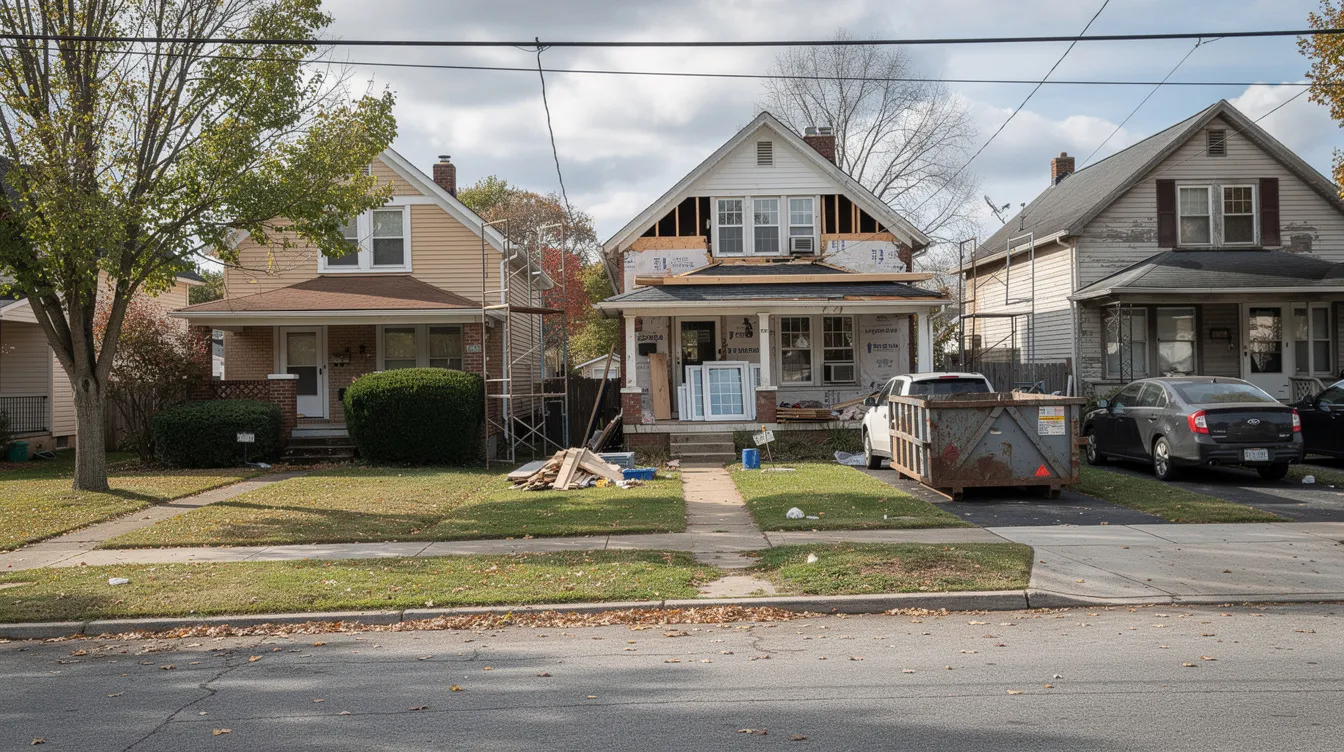
How Does Hard Money Lending Work? A Real World Guide for Investors
Most real estate investors don't lose deals because they can't find them. They lose deals because they can't fund them fast enough. A seller with a distressed property wants to close in ten days, and your bank is still asking for your third cousin's tax returns. That's where hard money lending enters the picture.
A hard money loan is a short term, asset based loan secured by real estate, typically running 6 to 24 months with interest only payments and a balloon payment at the end. It's not a long term mortgage. It's a tool built for speed on investment deals.
Here's the misconception I want to kill early: hard money is not a desperation move reserved for borrowers with bad credit. Experienced real estate investors use hard money loans strategically when a deal requires fast closing, when the property is in rough shape, or when traditional financing simply won't move quickly enough. It's a calculated choice, not a last resort.
Before we go further, a few terms you'll see throughout this piece: LTV (loan to value) is the loan amount as a percentage of the property's current market value. ARV (after repair value) is the estimated value after renovations. Points are upfront fees measured as a percentage of the loan. Bridge financing is temporary funding that covers you until a sale or permanent loan closes. And your exit strategy is how you plan to repay the loan, whether that's selling, refinancing, or converting to a rental.
One thing to be upfront about: Gap Funded does not provide hard money loans. We help investors stack and structure the capital around hard money loans, covering the down payment, closing costs, rehab gaps, and holding costs that hard money lenders won't fund. More on that later.
What Is Hard Money Lending? Core Definitions and Key Players
Hard money lending is private, asset based lending secured by "hard" assets, almost always real estate. The name comes from the collateral, not the difficulty. Hard money lenders are typically private investors, individual investors, regional lending funds, family offices, or specialised financing companies. They are not banks or credit unions. They don't care much about your debt to income ratio. They care about the deal and the collateral.
In 2026, a typical hard money loan looks something like this: terms of 6 to 18 months, interest rates between 8% and 15%, origination fees of 2 to 4 points, and LTV ratios on current value usually capped at 60% to 80%. For fix and flip deals, lenders often underwrite to 70% to 75% of ARV instead.
Common use cases include fix and flip projects, quick acquisition of distressed or off market properties, bridge financing while waiting on a DSCR or conventional loan, and short term commercial property opportunities. These loans are almost always for non owner occupied properties because consumer lending regulations make owner occupied hard money lending impractical for most private lenders. Hard money lending requires active asset management by the lender, which is why they stay involved throughout the project lifecycle.
How Does a Hard Money Loan Work Step by Step?
From the lender's side, hard money lending is all about the deal and the collateral. From your side, it's about speed and having a clean exit strategy.
Here's how it typically plays out. First, you source a deal. Say you find a distressed single family house listed at $250,000 in March 2026, sitting at roughly 65% of its market value. You run the numbers, see a spread, and want to move.
Second, you pre qualify with a hard money lender. Most do a soft credit pull, ask about your experience, and want rough deal numbers: purchase price, rehab budget, estimated ARV.
Third, you submit the deal formally. That means the purchase contract, a detailed rehab scope with line item budget, contractor bids, and comparable sales supporting your ARV estimate.
Fourth, the lender underwrites. They'll value the property as is, project the ARV, likely order an appraisal or broker price opinion, and check title. Lenders evaluate the market demand and property condition to assess collateral quality, and they prefer properties with strong potential for resale or mortgage conversion.
Fifth, you get a term sheet. This spells out the loan amount, rate, points, repayment term (say 12 months interest only), your required down payment, and the rehab draw schedule.
The draw process deserves its own explanation. The lender may fund 85% to 100% of renovation costs, but they don't hand you the money upfront. Funds are released in stages after work is completed and inspected. You front the cost of each phase, submit invoices and lien waivers, the lender inspects, then releases funds. Typical projects have 2 to 4 draws.
Borrowers often make interest only payments initially with a balloon payment due at the end of the loan term. If you need more time, extensions are usually possible but cost extra points or a higher rate.
A quick numeric example: on a $250,000 purchase with $60,000 in rehab, a lender funding 85% of purchase ($212,500) plus 100% of rehab via draws means you bring roughly $37,500 in down payment plus closing costs out of pocket. At 11% interest and 2 points, your financing costs add up fast. Hard money loans can close in 5 to 15 days, which is the whole point.

Hard Money vs Traditional Loans: Key Differences That Matter to Investors
Hard money loans trade cost for speed and flexibility. Traditional bank loans trade speed for lower rates and stricter underwriting. Here's how they stack up across the dimensions that actually matter to investors:
Approval basis: Hard money focuses on asset value (LTV and ARV). Unlike traditional bank loans, conventional mortgages are full documentation affairs driven by credit score, income verification, and debt to income ratio.
Timeline: Hard money loans can close in 5 to 15 business days. Traditional mortgages typically take 30 to 60 days or more.
Term length: Most hard money loans have repayment periods of 6 to 24 months. A traditional loan runs 15 to 30 years.
Interest: Hard money loans have interest rates between 8% and 15%. Traditional mortgages have lower interest rates, averaging around 6.75%.
Down payment: Hard money loans require larger down payments of 20% to 40%. Traditional mortgages may require down payments as low as 3% for owner occupied programs.
Protections: Hard money loans are business purpose, lightly regulated, and come with fewer consumer protections. Conventional mortgages carry heavy consumer protections under federal and state law.
For fix and flip or BRRRR investors making offers on foreclosures, auctions, or off market properties where sellers demand quick closings, the speed advantage of a hard money loan is often the difference between winning and losing the deal.
On the commercial side, traditional bank or SBA loans for small office, mixed use, or retail deals are cheaper over time but come with slower underwriting and stricter occupancy and cash flow requirements. Hard money acts as bridge financing to get in the door, with permanent financing secured later once the property is stabilised.
Common Uses: Fix and Flip, BRRRR, and Bridge Financing
Hard money loans are tools, not goals. The goal is a profitable investment executed through a clear strategy. Here are the three most common ones.
Investors use hard money loans for flipping properties: buying distressed houses, funding rehab quickly, and reselling in 4 to 8 months. Speed matters because holding costs on a hard money loan stack up every month you wait.
BRRRR investors use hard money loans to buy rental properties, renovate them, stabilise with tenants, then refinance into a DSCR loan or conventional financing. The hard money loan is the entry vehicle, not the long term hold.
Bridge financing covers gaps between transactions. Maybe you're waiting to sell another property, or your long term financing hasn't cleared yet. Hard money loans serve as bridge financing between home sales or between purchase and permanent financing.
Hard money can also finance uninhabitable properties that would never pass a conventional appraisal. Business owners use hard money loans for commercial property purchases when the property needs repositioning before a bank will touch it.
In competitive markets, a hard money loan mimics a cash offer because it closes fast. That speed wins bids against buyers waiting on conventional loan approval.
Typical Hard Money Loan Terms, Rates, and Down Payments
Exact terms vary by market and lender, but there are consistent ranges you can plan around.
Interest rates for hard money loans range from 8% to 15%, with most deals closing in the 9% to 11% range for experienced borrowers in strong markets. Factors that move the needle include your track record, property type, leverage requested, and geography. The typical costs associated with hard money loans include interest rates and origination points.
Points and fees run 2 to 4 points upfront. On a $200,000 loan, 2 points means $4,000 out of your pocket at closing before you've done any work. Add processing fees, appraisal, title insurance, and potential extension fees.
Lenders typically require a 20% to 40% down payment depending on the deal and borrower profile. A significant upfront capital contribution is often required from borrowers of hard money loans. Newer investors or properties in weaker markets will sit at the higher end of that range.
LTV ratios for hard money loans are usually capped at 60% to 80% of as is value. For fix and flip deals, lenders underwrite to roughly 70% to 75% of ARV, which caps both your loan amount and your potential profit margin if you overpay. Approval and loan amounts are based on the property's after repair value.
Beyond the down payment, most lenders want to see you have cash reserves covering several months of interest payments, property taxes, insurance, and a contingency buffer for rehab overruns.
How to Qualify for a Hard Money Loan (And What Lenders Really Look At)
Here's the myth worth busting: hard money lenders still underwrite risk. They just prioritise different factors than banks do. Approval for hard money loans focuses on property value, not credit, but that doesn't mean credit is irrelevant.
What lenders actually evaluate:
The deal numbers come first. Purchase price, rehab budget, ARV, and your projected profit margin after all costs. Borrowers must provide a realistic renovation budget and estimated property value for loan approval. Most lenders want to see at least a 10% to 15% net margin after everything.
Collateral quality matters. Location, comparable sales, exit liquidity, and clean title. Lenders require a clear exit strategy for borrowers of hard money loans, whether that's selling to a retail buyer or refinancing.
Your experience counts. Prior flips, rentals, or construction background help. New investors can compensate with strong contractors and mentors, but expect tighter terms and more significant equity requirements.
Credit score is still part of the approval process. Many lenders prefer a credit score of 620 to 660 or above, with better terms above 680. It's a credit review, not a credit interrogation.
Documentation typically includes a purchase contract, scope of work, contractor bids, photos, LLC docs, and bank statements. The faster approval process happens when you have these ready before you submit.
Gap Funded's funding review also uses a soft credit pull with no impact to your score. We typically work best with borrowers at FICO 650 or above who can verify income or business revenue.
Pros and Cons of Hard Money Loans for Real Estate Investors
Hard money is neither good nor bad. It's expensive capital that makes sense when the upside and speed justify it.
On the upside: you get fast funding, often closing in 5 to 15 days. You can finance distressed or uninhabitable properties that traditional lenders won't touch. Underwriting is flexible, focused on deal strength rather than W2 income. Interest only payments during rehab improve short term cash flow. And hard money works well as bridge financing for commercial property or portfolio plays while you secure long term financing.
The cons of hard money are real and worth facing honestly. High costs associated with hard money loans can eat into profit margins for investors. Hard money loans are secured by real estate collateral, and failure to repay a hard money loan can lead to foreclosure. Short repayment periods of 6 to 24 months create pressure. You'll need a higher down payment than conventional financing, tying up more of your capital. High costs and short terms make hard money loans risky when deals go sideways.
I'd encourage you to stress test every deal: what happens if it takes 3 extra months to sell? What if ARV comes in 5% lower? What if rehab runs 15% over budget? If the numbers still work with hard money costs baked in, you've got a solid plan. If they don't, the deal isn't strong enough for this type of financing.
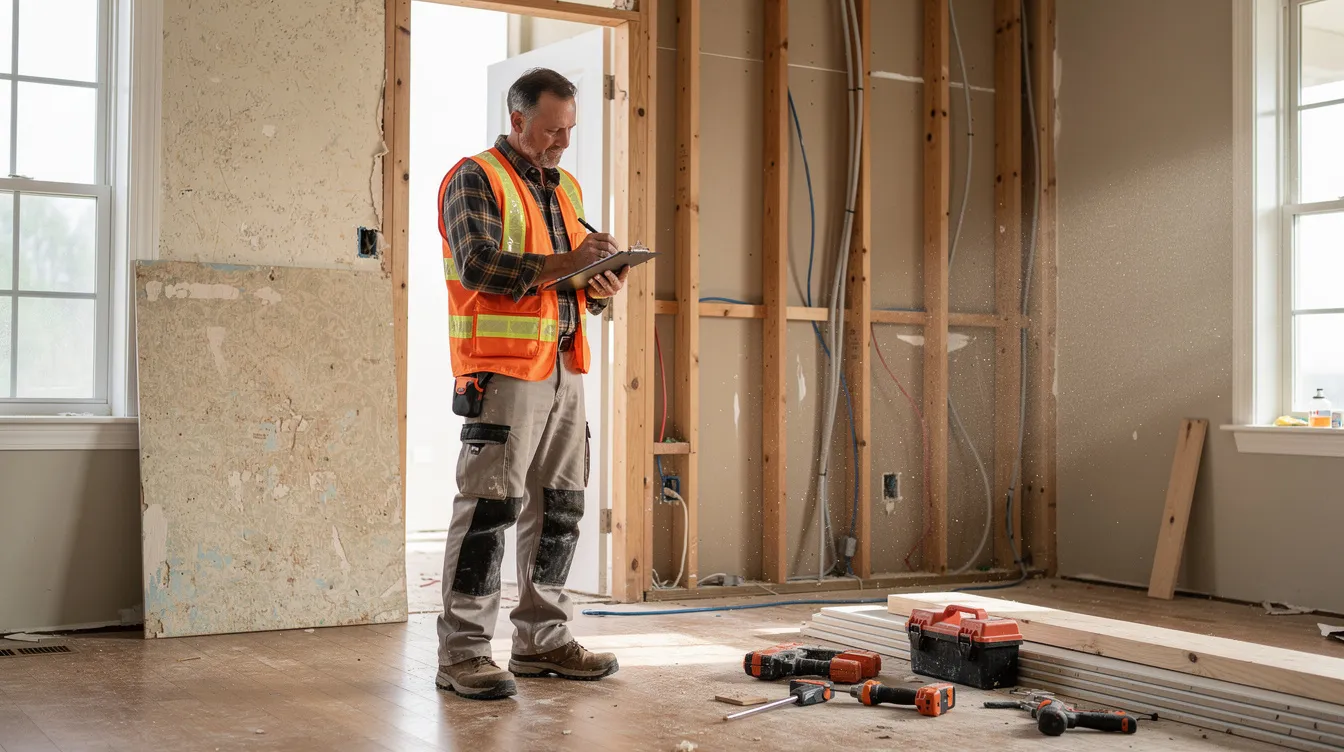
Where Most Investors Struggle: The Funding Gap Around Hard Money Loans
Getting a hard money loan approved often isn't the biggest hurdle. Coming up with everything the hard money lender won't cover is.
Here's what most hard money loans don't fund: your down payment and required equity injection. Closing costs including points, title, insurance, and attorney fees. Rehab overages beyond the approved budget. Holding costs like monthly interest, utilities, taxes, insurance, and staging. Earnest money deposits needed to get contracts accepted before funding arrives. And working capital for new businesses tied to real estate plays like short term rentals or assisted living facilities.
This funding gap hits hardest for new investors with solid credit but limited cash, experienced investors running multiple projects simultaneously, and self employed borrowers or startup owners who can't access large bank lines yet.
That's exactly where Gap Funded fits. We specialise in filling these gaps without taking equity in your deal or placing a lien on the deal property. No equity splits, no gator lending style arrangements that eat your profit.
How Gap Funded Complements Hard Money Lending (Without Replacing It)
Gap Funded is not a hard money lender. We help you build the rest of the capital stack around your primary loan, whether that's hard money, a DSCR loan, or conventional financing.
Here's how our tools work, and the order matters because applying out of sequence can knock out later approvals:
First, unsecured gap funding and credit card stacking at 0% intro APR. Best for covering down payments, closing costs, and lighter rehab needs. Lowest friction, fastest to deploy.
Second, debt consolidation to clean up high interest debts and free monthly cash flow before you take on a hard money loan's carrying costs.
Third, a HELOC on your primary or investment property to boost liquidity with relatively lower cost capital. You can estimate your available equity with our HELOC calculator.
Fourth, revenue based tools for established businesses: a business line of credit or business term loans where your entity has the revenue to support it.
Why this order? Start with the lowest cost, unsecured capital to preserve flexibility. Then tap existing equity if needed. Use more expensive tools last and only to fill narrow gaps so total cost stays reasonable.
Quick example: an investor's hard money lender covers 85% of purchase and 100% of rehab draws. Gap Funded structures unsecured funding for the down payment and closing costs, plus a HELOC to cover 6 months of holding costs. No equity given away. No personal loan from a mate's uncle at 20%.
Alternatives and Complements to Hard Money Lending
Hard money is not the only way to finance an investment property, especially for long term holds.
DSCR loans work well for rental and BRRRR investors as an exit from hard money. They look at property cash flow rather than personal income. A cash out refinance on an existing rental property is another way to pull capital for your next project without using hard money at all. A home equity line or home equity loan lets you tap existing equity from a primary residence for down payments or smaller projects, often at lower fees. And traditional conventional or FHA loans remain viable for properties in financeable condition if you can wait 45 to 60 days.
The trade offs are straightforward: conventional financing and DSCR loans are cheaper but slower and stricter. Hard money is faster and more flexible but more expensive with short repayment periods. Some investors combine private lenders, seller financing, or personal loan products with Gap Funded tools to reduce reliance on any single expensive source.
Gap Funded helps you sequence these options: short term gap funding to secure a deal now, then refinancing later into a DSCR or conventional loan once rehab and stabilisation are complete. That's the whole idea behind capital stacking.
Risk Management: How to Use Hard Money Safely and Profitably
The biggest risks of hard money come from bad numbers and weak planning, not from the loan product itself.
Start with conservative ARV estimates based on recent, nearby comps and current market conditions. Build in 10% to 15% contingency on rehab budgets. Stress test your exit: what if it takes 3 months longer to sell or refinance? What if ARV comes in 5% lower? Have multiple exit strategies ready, whether that's selling to a retail buyer, refinancing into a long term financing product, or pivoting to a short term rental.
When a borrower defaults on a hard money loan, foreclosure can happen quickly. These are secured loans with short repayment terms. The best protection is staying ahead of problems and communicating with your lender early if issues arise.
Adequate gap funding covering interest, taxes, insurance, and basic working capital dramatically reduces default risk. That's not a sales pitch. It's just maths.
Work with professionals: a real estate attorney, a CPA, and experienced contractors. Especially on your first few deals.
Next Steps: Is Hard Money Lending Right for Your Next Deal?
Hard money lending is a fast, flexible, asset based loan product built for short term real estate investment projects. It carries higher costs and shorter timelines, so it works best when you have a strong deal, a clear exit strategy, and your funding gaps covered. The biggest mistake isn't using hard money. It's underestimating how much capital you need beyond the entire loan itself.
Ask yourself: do you have a realistic ARV and rehab budget? Do your numbers still work after including hard money rates, points, and all holding costs? Do you know how you'll cover your down payment, closing costs, rehab overruns, and monthly loan payments?
If you answered "not sure" to any of those, fill out a quick application at Gap Funded. We'll review your credit profile and deal type with a soft pull, then recommend a custom blend of tools, whether that's unsecured gap funding, a HELOC, a small business line, or something else entirely. No impact to your score, no obligation.
Many successful investors started with exactly one gap to solve, usually the down payment or rehab cash. They scaled their portfolios by solving that funding gap systematically rather than giving away equity or passing on good deals. That's what we're here for.
Related Reading
This article is for educational purposes only and isn't financial, legal, tax, or investment advice. Credit and financing outcomes depend on your own situation. Talk to a licensed financial professional before making funding decisions for your business.