
Hard Money Loan For Investment Property: Fast Funding, Real Numbers, Real Risks

Hard Money Loan For Investment Property: Fast Funding, Real Numbers, Real Risks
Most real estate investors don't lose deals because they can't find a lender. They lose deals because they can't cover everything the lender won't fund. A hard money loan gets you 70% to 90% of the way there. The other 10% to 30%? That's the part nobody warns you about until you're staring at a closing table with a shortfall.
I'm Mick, founder of Gap Funded. We don't do hard money lending. We fill the gap between what your hard money lender funds and what you actually need to close. Let me walk you through how hard money loans for investment property really work, what they cost, where the gaps show up, and how to stack capital so you're not scrambling at the eleventh hour.
Fast answer: When a hard money loan for investment property actually makes sense
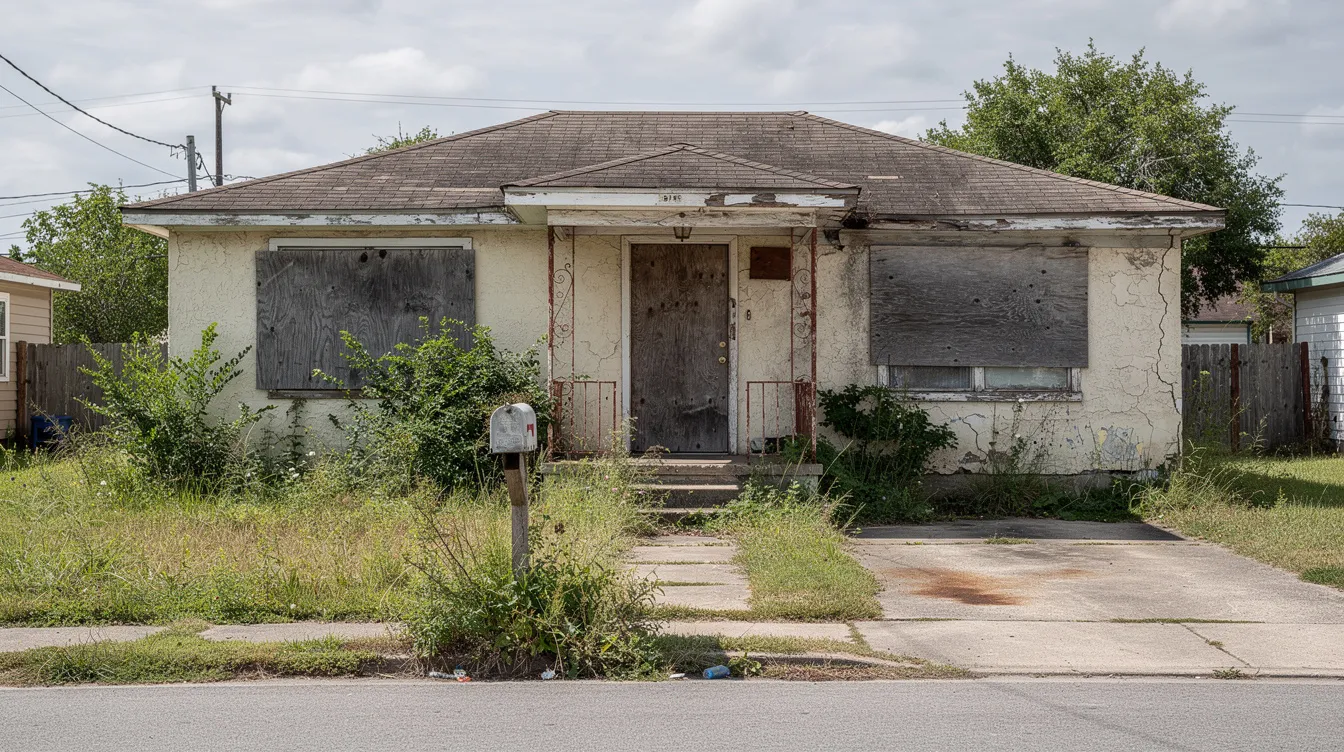
A hard money loan is a short term, asset based loan from private lenders, not banks, secured by the investment property itself. Hard money loans are often utilised in situations where speed and flexibility are critical. Think distressed properties, auction deadlines, off market deals where a seller wants to close in two weeks, or properties in rough shape that no conventional lender will touch.
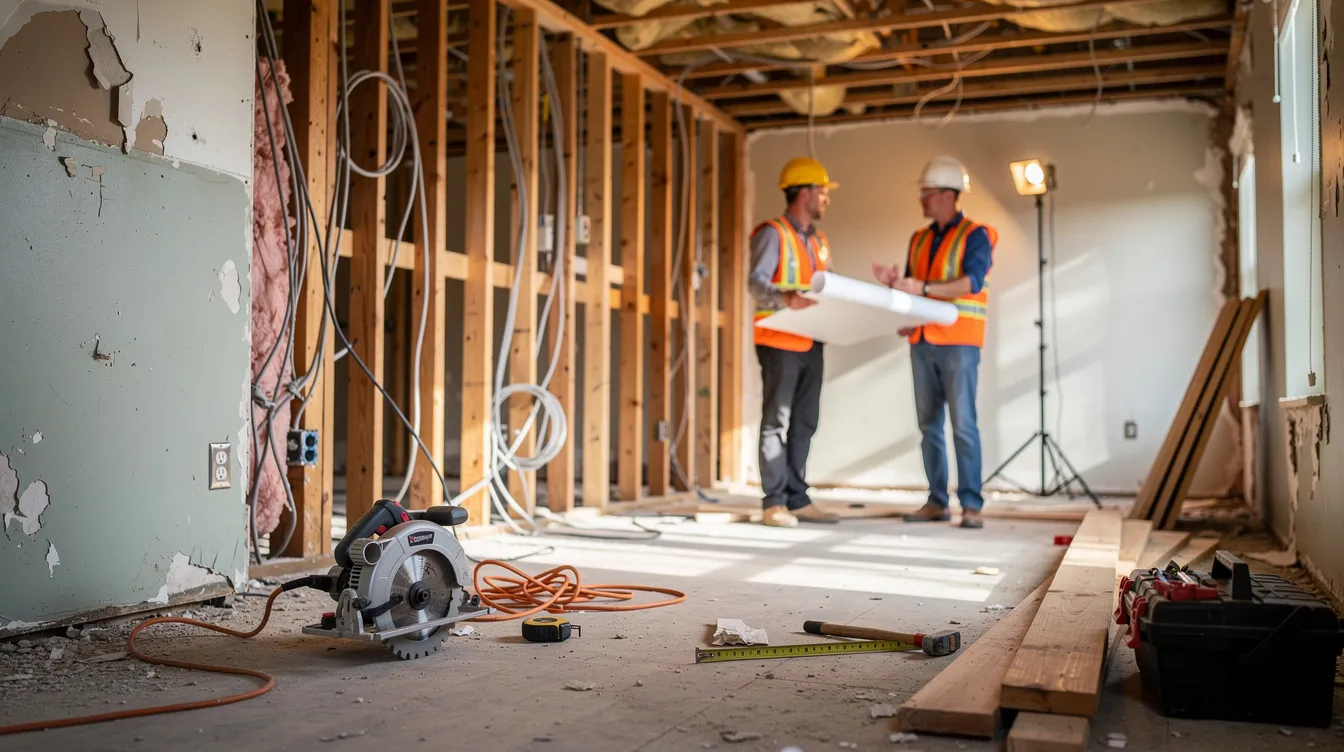
These loans are predominantly used by real estate investors, particularly for fix and flip projects and distressed property acquisitions. They're also common for BRRRR rentals, bridge financing, and small commercial property rehabs. Hard money loans are short term, typically running 6 to 24 months with interest only payments. They trade off low cost for speed and flexibility.
Here's what most articles skip: even with a hard money loan covering purchase and rehab, you still need cash for the down payment, closing costs, rehab overages, interest reserves, and holding costs. That funding gap is where deals stall or die. Gap Funded doesn't replace hard money lenders. We specialise in gap funding solutions that stack on top of hard money loans so you can fully capitalise your deal without giving up equity.
What is a hard money loan for investment property?
In plain terms, a hard money loan for investment property is:
- A short term (6 to 24 months), interest only, asset based loan secured by real estate, commonly used to acquire or rehab properties that won't qualify for traditional financing
- Approval driven primarily by the property's current value and profitability (after repair value, rent potential, local comps) rather than full tax return underwriting or a borrower's creditworthiness in the traditional sense
- Hard money loans are secured by the property used as collateral, meaning the real estate itself backs the loan
- Typical loan sizes in 2024 to 2026: $150,000 to $1.5 million for single family flips, small multifamily, and light commercial property projects
- Provided by private hard money lenders and funds, not big retail banks or credit unions. Terms vary widely by lender and market
Hard money loans have short repayment terms, usually from 6 to 36 months. They are not suitable for long term rental properties due to their cost structure. You use them to get in, fix, and get out, either by selling or refinancing into permanent financing.
How hard money loans work for investment property deals
Here's how hard money loans work in practice. Say you find an off market distressed single family home listed at $220,000. Your comps show a $350,000 ARV after $60,000 in rehab. You bring this deal to a hard money lender.
The lender runs asset based underwriting: they look at the purchase price, your rehab budget, after repair value, and local comparable sales. They don't care much about your W2s. Approval for hard money loans focuses on property value, not credit. Most hard money lenders will fund up to 70% of ARV or 80% to 90% of purchase price plus a portion of rehab, whichever is lower.
On a $350,000 ARV deal, 70% ARV means a maximum loan amount of $245,000. That might cover your $220,000 purchase and $25,000 of the $60,000 rehab. You're bringing the rest.
Hard money loans can close in 5 to 15 business days once appraisal and title work are complete. Approval for hard money loans can happen in as few as 5 days. Compare that to 30 to 60 days for a traditional mortgage, and you see why speed matters when you're competing against cash buyers or facing auction deadlines. These loans are often used for time sensitive real estate deals.
Hard money vs. traditional mortgages and DSCR / rental loans
Knowing which tool fits which stage saves you heaps of money. Here's how they compare:
| Feature | Hard Money | Traditional Mortgage | DSCR Rental Loan |
|---|---|---|---|
| Purpose | Short term acquisition, rehab, bridge financing | Long term hold, owner occupied or stabilised rental | Long term hold on cash flowing rental property |
| Underwriting | Asset based: LTV, ARV, project plan | Full doc: income, DTI, credit history | Debt service coverage ratio of rent to payment |
| Closing speed | 5 to 15 business days | 30 to 60 days | 21 to 45 days |
| Interest rates | 8% to 15% | 6% to 8% | 6.5% to 8% |
| Loan term | 6 to 24 months | 15 to 30 years | 30 years |
| Property condition | Distressed OK | Must be habitable | Must be stabilised, leased |
Traditional lenders and conventional financing require properties to be livable and borrowers to prove income. Traditional bank loans simply won't fund a house with a caved in roof. A conventional lender needs the property in good nick before they'll even consider it. DSCR loans are brilliant for the refinance stage of a BRRRR deal, but useless for the acquisition of a distressed property.
The common investor path: acquire with hard money, rehab, lease up, then refinance into a DSCR or traditional loan to pay off the hard money lender. One real case: an Orlando BRRRR deal used hard money at 10.99% for 12 months, then refinanced into a 30 year fixed DSCR at 6.875%.
Key hard money terms: rate, points, fees, and down payment
Before you sign anything, understand the total cost of capital. Here's what to expect in 2025 to 2026:
Interest rates: Hard money loan interest rates range from 8% to 15%. Most hard money loans for experienced borrowers with strong deals land at 9% to 13%. Higher interest rates and fees associated with hard money loans can significantly impact the profitability of real estate investments. Short repayment periods magnify these costs.
Points: Most lenders charge 2% to 5% in points at closing, with 2 to 4 points being most common. One point equals 1% of the loan amount. On a $300,000 loan, 3 points costs you $9,000 at closing. That's cash out of your pocket on day one.
Down payment: A hard money loan requires a down payment of 20% to 40% of the purchase price, depending on the lender, deal, and your experience. Even when lenders advertise "90% financing," you're still covering 10% or more of total project cost plus closing expenses.
Additional fees: Expect to pay $500 to $1,500 for document preparation, plus appraisal or BPO fees, underwriting fees, draw inspection fees on rehab funds, and potential extension fees if your project runs long. Higher upfront costs are the trade off for speed and flexibility.
These costs are manageable when your profit spread is fat. On a thin margin deal, a single extension or cost overrun can wipe out your entire return.
Asset based underwriting, LTV, ARV, and collateral risk
Asset based underwriting means the lender's primary question is straightforward: "If we have to foreclose, can we quickly resell this property and recover our money?" Hard money underwriting focuses on property value, not borrower credit.
Here are the three metrics that drive every hard money decision:
- LTV (Loan to Value): Loan amount divided by the property's current market value. LTV ratios for hard money loans typically range from 60% to 80%. Lenders typically cap loans at 60% to 80% of property value.
- ARV (After Repair Value): What the property will be worth after rehab. Approval relies on the property's after repair value. Most hard money lenders cap at 65% to 75% of ARV. Example: 70% of a $400,000 ARV equals a $280,000 maximum loan.
- LTC (Loan to Cost): Loan amount versus total project cost (purchase plus rehab). Some lenders go up to 90% to 100% LTC for proven borrowers, but ARV caps usually constrain the final number.
Collateral risk is real. Hard money loans can lead to foreclosure if payments are missed. If the borrower defaults and the exit strategy collapses, the lender can take back the property. In some states, non judicial foreclosure takes just 30 to 90 days. Risk is highest when investors are undercapitalised, forced into a fire sale because they ran out of rehab or holding capital. If you can't avoid foreclosure, the property's gone and so is your equity.
Typical use cases: flips, BRRRR, bridge loans, and commercial property
Hard money loans are often used for flipping houses. But they fit several other strategies too:
House flips: Buy a distressed property at a steep discount, fund the rehab, sell within 6 to 12 months. Hard money covers purchase and staged rehab draws. House flippers live and die by accurate ARV estimates and tight construction timelines. If you're flipping in competitive markets, check out our guides on fix and flip loans in Texas and fix and flip loans in California.
BRRRR rentals: The BRRRR strategy involves buying, rehabbing, renting, refinancing using hard money loans. Investors use hard money loans to buy rental properties quickly, rehab, lease up, then do a cash out refinance into a DSCR or conventional loan. The hard money loan gets paid off and you repeat the cycle.
Bridge loans: Hard money loans can serve as bridge financing for new property purchases. Individual investors use bridge financing when buying a new investment property before selling another, or while waiting for permanent long term financing. Speed is everything here.
Commercial property: Commercial property purchases can be financed with hard money loans. Small office buildings, mixed use, and retail spaces needing heavy value add where traditional bank financing won't lend until the property is stabilised. Expect lower LTV caps and more reserve requirements on commercial deals.
Uninhabitable properties: When a property fails standard safety or livability inspections, most lenders walk away. Hard money is often the only financing option for distressed properties with broken HVAC, structural issues, or code violations.
Homeowners facing foreclosure may use hard money loans for quick cash to restructure or sell quickly, though this is a riskier and less common use case.
The funding gap: why hard money is not 100% of your capital stack
Here's where the maths gets uncomfortable. Let's model a real deal:
| Cost Component | Amount |
|---|---|
| Purchase price | $220,000 |
| Rehab budget | $60,000 |
| Closing costs (title, escrow, points) | $12,000 |
| Interest reserve (6 months) | $11,000 |
| Insurance, permits, holding costs | $4,000 |
| Total project cost | $307,000 |
Your hard money lender offers 90% LTC capped at 70% ARV ($350,000). The loan amount comes in at $245,000. That means you need $62,000 in cash to close and carry this deal.
Most common gaps: down payment on the hard money loan, closing costs, rehab overages beyond the draw schedule, holding costs during longer than expected timelines, and contingency reserves. Even experienced investors get stuck here. Newer investors with good credit but limited liquid cash? This is almost always the wall they hit.
Gap Funded exists to fill this shortfall. We don't place additional liens on the investment property being financed by your hard money lender. No equity splits. No dilution. For a deeper look at how multiple funding layers work together, read our guide on mastering capital stacking.

How Gap Funded closes the gap around your hard money loan
We work alongside hard money lenders to complete the capital stack for investment properties. Here are our main tools, listed in the order we recommend applying for them (sequencing matters because applying out of order can knock out later approvals):
- Debt consolidation: Clean up expensive personal or business debt first to improve cash flow, credit score, and qualifying power for everything that follows.
- Unsecured gap funding and personal term loans: Soft pull, non dilutive capital. No lien on your deal property. Covers down payments, closing costs, and rehab reserves. Typically suited for borrowers with 650+ FICO and verifiable income. Think of this as a personal loan purpose built for the investor's funding gap.
- Credit card stacking: Stacking 0% introductory APR business and personal cards creates a flexible, revolving line for materials, labour, and carrying costs. Especially powerful for short term projects with staged rehab expenses.
- HELOC on primary or existing investment property: Lower interest rates than hard money, useful for covering larger down payments or as a revolving line of credit. Use our HELOC calculator to see what you might access. Learn more about using a HELOC on investment property.
- Revenue based capital: If you're a contractor, Airbnb host, or small operator with existing business revenue (at least $20,000 per month and 2 years in business), a business line of credit or business term loan can provide working capital across multiple projects.
The order matters. Securing the cheapest, hardest to get capital first preserves your ability to qualify for each subsequent layer.
Exit strategy: the single most important part of any hard money deal
No exit strategy, no deal. Full stop. Most hard money loans are short term loans with balloon payment structures, meaning the entire principal is due at the end of the loan term. You need a clear, documented plan for how that money loan gets repaid.
Three main exits:
- Sell the property: After rehab, list and sell at ARV. Target timeline: 4 months rehab, 2 months listing, 1 month closing. Works best in strong seller markets with solid comps.
- Refinance into DSCR or conventional financing: For BRRRR holds, once the rental property is leased and income is documented. Timeline: 6 months rehab, 3 to 6 months lease up and seasoning, then refinance via a new loan. A conventional lender or DSCR lender can provide long term financing at far lower rates.
- Pay off via other capital sources: Liquidating other assets, rolling capital from a completed flip, or using partner cash.
Stress test your deal. What happens if ARV comes in 8% lower? If rehab runs 20% over budget? If days on market double? Each scenario eats into your margin and may prevent you from paying off the hard money lender before maturity, triggering extension fees or worse.
Having additional gap capital from unsecured term loans or a home equity line of credit for overruns can be the difference between a successful exit and being forced to sell the property quickly at a loss.
Pros and cons of using hard money loans for investment property
Hard money is a powerful tool for the right deal. It's a terrible one for the wrong deal. Here's the honest breakdown:
The good: Speed is the headline. A faster approval process (5 to 15 business days) lets you win competitive deals that traditional financing would miss. Most hard money lenders accept properties in rough condition that financing companies and traditional bank institutions refuse. Documentation is lighter, which suits self employed investors, private investors, or anyone with complex incomes. You can scale by running multiple deals with fast funding turnaround. One California investor went from two flips per year to five using hard money combined with gap funding.
The not so good: Interest rates between 8% and 15% with 2 to 4 points upfront are a significant equity drain. Short terms (6 to 24 months) create real timeline pressure. Many lenders require more cash than new investors expect. Hard money loans often require down payments of 20% to 40%. And if your exit strategy fails, the lender can foreclose. Private individuals and private lenders are in the business model of getting their money back, one way or another.
For well underwritten, high margin deals with solid project management, hard money is a fast funding weapon. For thin margin or speculative short term projects, it magnifies losses. Model your entire project with conservative assumptions before signing a term sheet.
Alternatives and complements to hard money loans for investors
Hard money isn't the only financing option, and sometimes it's not the best one:
HELOC or home equity loan: Borrowing against significant equity in your primary residence or existing rental property can fund smaller investments at lower rates than hard money. But draw speed is slower, and your home is on the line. Compare the two in our bridge loans vs HELOCs guide.
DSCR and conventional loans: Ideal for stabilised properties with proven income. Lower interest rates, longer terms. But conventional lending doesn't work for distressed properties or deals needing heavy rehab.
Private lenders and partners: Friends, family, or equity investors can provide cheaper capital, but the trade off is sharing profits, losing control, or straining relationships.
Revenue based financing: For active contractors or Airbnb operators, a merchant cash advance or revenue based product solves short term emergencies but carries high costs. Model carefully.
Gap Funded focuses on non dilutive capital. No equity splits in your investment property. No liens on the deal itself. Soft credit pulls to check your options without dinging your credit. We're complementary to your hard money lender, not competing with them.
How to prepare and apply for gap funding alongside your hard money loan
Ready to move? Here's the playbook:
Readiness checklist:
- Signed hard money term sheet or clear draft terms (interest rate, points, LTC/LTV caps, loan term)
- Purchase contract and rehab budget with scope of work
- Deal analysis: purchase price, rehab cost, ARV, expected rents or sale price
- Written exit strategy with timeline
Qualification ranges: We typically work with borrowers at 650+ FICO with verifiable income or business revenue. A minimum credit score around 650 opens most doors, though exact thresholds vary by product. Good credit and manageable existing debt improve your options significantly.
Application sequence: Lock your hard money approval first. Calculate your actual gap (down payment plus closing plus reserves plus first draw plus contingency). Then apply to Gap Funded so we can structure the right mix of unsecured term loans, credit stacking, or lines around your specific shortfall.
Document your exit strategy in writing. Share it with both your hard money lender and our team. Aligned expectations across all capital partners prevent surprises and protect your deal.
Key takeaways: a hard money loan for investment property gets you most of the way to closing. The funding gap is what separates investors who close deals from those who watch them slip away. Fill that gap with non dilutive capital, in the right order, and you keep control of the deal and the profit.
I reckon the best next step is a quick one. Start a no obligation, soft pull pre qualification at gapfunded.com/apply to see exactly how much gap funding you can stack on top of your hard money loan for your next investment property.
Related Reading
This article is for educational purposes only and isn't financial, legal, tax, or investment advice. Credit and financing outcomes depend on your own situation. Talk to a licensed financial professional before making funding decisions for your business.