
Hard Money Lenders in Orlando, FL: Fast Funding and Smart Gap Financing

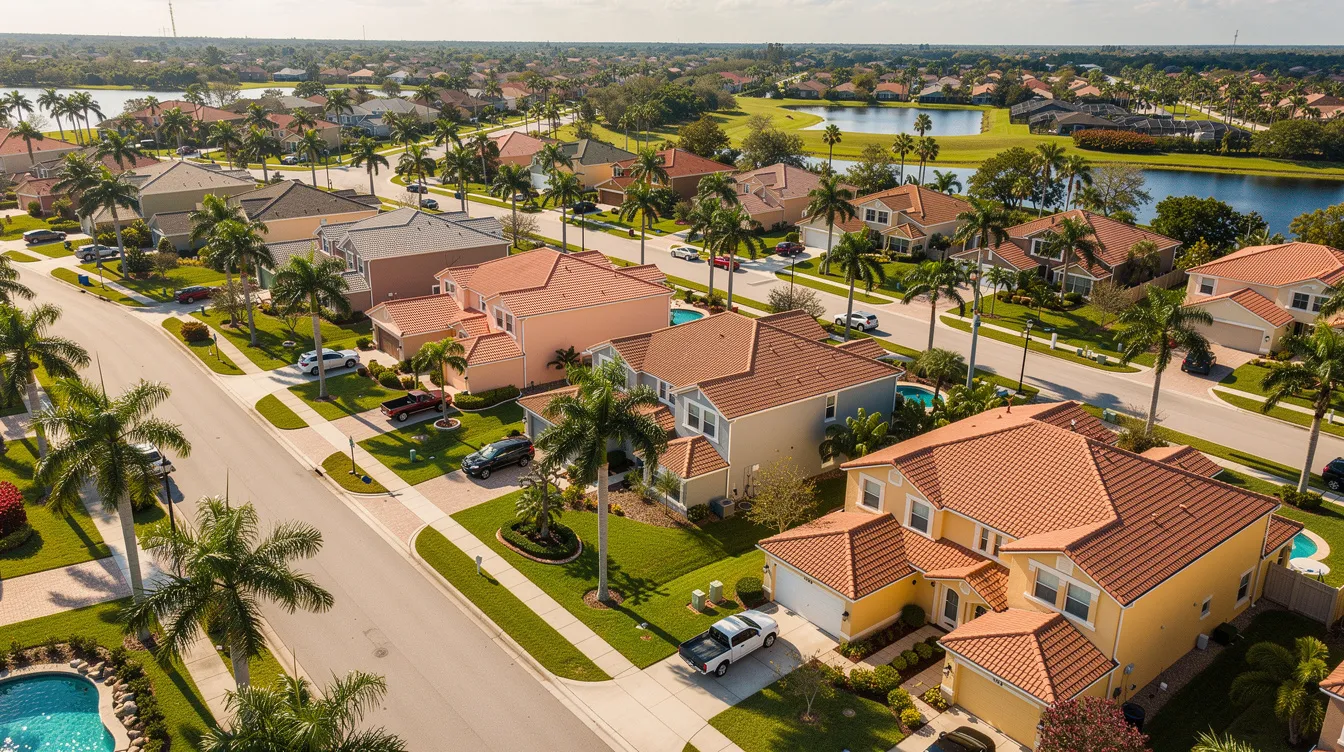
Hard Money Lenders in Orlando, FL: Fast Funding and Smart Gap Financing
Most Orlando real estate investors don't lose deals because they can't find a hard money lender. They lose them because the lender covers 80% and they can't scrape together the rest. Here's how hard money lending actually works in Orlando, what it costs, and how to fill the gap so you can stop watching good deals slip away.
Orlando hard money loans at a glance
Hard money lenders in Orlando provide short term, asset backed loans secured by real estate. Right now, rates across Central Florida sit in a wide band. The average interest rate for Orlando hard money loans is 9.83% according to recent aggregate data, though Orlando hard money loans average 12.6% for many fix flip and smaller investor deals depending on experience, credit, and deal structure. Loan terms typically run 6 to 24 months, with most structured as interest only payments and principal due at exit.
Orlando has dozens of local and regional money lenders plus national platforms serving the metro. Loan amounts range from $30,000 to $800,000 in Orlando, with the average loan amount sitting at $596,295. Typical loan to value ratios in Orlando are around 76%, and lenders usually finance 60% to 80% of the property's current value depending on the loan type and borrower profile.
Here's the bit nobody talks about upfront: even with approval in hand, you still need cash for down payment, closing costs, rehab overages, and reserves. That's where Gap Funded comes in. We don't replace hard money lenders. We fill the capital gap so you can actually use that approval. If you want to know your gap before you make your next offer, start with a soft pull application. No obligation, no credit ding.
How hard money lending works for Orlando real estate investors
A hard money loan is a short term, real estate secured loan from a private money lender or direct private lender, not a traditional bank. Approval depends primarily on the value of the real estate collateral rather than personal income. Hard money loans are secured by real estate, not credit history, though the borrower's credit score still influences pricing.
Orlando hard money lenders evaluate deals based on purchase price, rehab budget, after repair value (ARV), exit strategy, and borrower experience. More flips under your belt means better rates and higher leverage. First timers pay a premium. Most lenders look for roughly 620 to 650+ FICO and clean major derogatories for the best terms. Loan to value ratios may be lower based on the borrower's credit score.
Typical structures: 12 to 18 month interest only terms, 2 to 3% origination points, rates in the 10 to 13% range for experienced investors. Hard money loans are often interest only, with principal due at the end of the loan term. A clear exit strategy is critical for borrowing from hard money lenders, often involving selling or refinancing the property. Borrower requirements may include liquidity and cash reserves to cover cost overruns and interest payments.
The catch: hard money loans usually do not fund 100% of the deal. They cover 80 to 90% of purchase and a portion of rehab, leaving investors with a real cash gap to close.
What Orlando hard money loans are used for
Hard money lending in Orlando is primarily geared toward real estate investors, not owner occupied homebuyers. Local investors in Orlando rely on hard money loans for purchasing properties under market value. Core use cases include:
- Fix and flip loans for buying, renovating, and selling distressed residential properties
- BRRRR strategy deals where investors buy, rehab, rent, refinance, and repeat using rental property loans
- Construction loans for small infill, teardown, or ground up construction projects
- Hard money bridge loans and short term bridge loans for temporary holds while waiting for permanent financing
- Mixed use or small commercial loans near tourist corridors
Fix and flip investors commonly use hard money loans to acquire and renovate distressed properties. Hard money loans can finance residential properties, commercial real estate, rental properties, and new construction projects. Investors commonly use hard money as bridge capital until they refinance into DSCR loans or conventional mortgages, especially for rental properties in fast moving Orlando submarkets.
Gap Funded does not compete as a hard money lender. Instead, we supply unsecured and asset based capital to cover the parts hard money lenders in Orlando won't touch: down payment, closing costs, over budget rehab, and reserves.
Local Orlando market drivers: why investors use hard money
Orlando's real estate market has been fuelled by strong population gains, job growth anchored by tourism, healthcare, logistics, and tech, plus continued migration from higher cost states. Major employers like Walt Disney World, Universal Orlando, AdventHealth, and Lockheed Martin support rental demand across Orange County, Osceola County, and Seminole County.
Investor hot spots include short term rentals near Disney and Universal, workforce rentals east toward UCF and Winter Park, and value add rehabs in older neighbourhoods like Conway, Pine Hills, and parts of Kissimmee. These submarkets offer discounted inventory that's ideal for fix and flip projects.
Competition for discounted inventory and auction deals is fierce. Hard money lending helps buyers access funding quickly to compete in fast moving real estate markets. Hard money loans can be funded in 10 days or less, and hard money lenders can often close loans in just days due to using private capital. That speed lets investors beat conventional buyers who need 30 to 45 days to close. Investors in other Florida markets like Broward County, Tampa Bay, Fort Lauderdale, Fort Myers, and Jacksonville use similar approaches, but Orlando FL offers mid range price points and more inventory, making it accessible to smaller investors.

Typical terms and costs of Orlando hard money loans
Interest rates for hard money loans in Florida range from 8% to 15%. Average interest rates for Florida hard money loans were 10.45% in Q1 2026, while Orlando hard money loans average 12.6% for many flip and small investor deals. The average loan amount for Orlando hard money loans is $596,295. Hard money lending is regulated under Florida Statutes Chapter 494.
Key cost components:
| Component | Typical Orlando Range |
|---|---|
| Interest rate | 8% to 15% |
| Origination points | 1.5 to 3% |
| Loan term | 6 to 24 months |
| Max LTV (purchase) | 60% to 80% |
| Max ARV cap | 65% to 75% |
The average loan to value ratio for hard money loans in Florida is 62%, while typical loan to value ratios in Orlando sit around 76%. Some lenders in Orlando offer up to 80% loan to value for fix and flip loans. Loan Mac Inc. offers a maximum loan to value of 75% for improved properties. For reference, Capital Fundings, a local Orlando private lender, offers 80% LTC with 75% ARV caps, 11.99% interest, and 2.5% origination, closing in about 7 days.
Rehab funds are often disbursed in stages as construction milestones are verified, not as a lump sum. Monthly payments are interest only, so your holding costs stack up: utilities, insurance, property tax, loan interest, and draw fees. Underestimating these "unseen" line items is the most common deal killer I see. This is exactly where the funding gap shows up.
Hard money lenders vs. other Orlando financing options
Orlando real estate investors often weigh hard money loans against DSCR loans, bank loans, HELOCs, and gator lending or transactional funding. Local hard money lenders typically have better knowledge of specific market conditions and property values, which matters in a market as neighbourhood specific as Orlando.
Traditional banks and conventional lenders work for turnkey rentals, strong W2 income, and longer closing windows. They fall apart for distressed property, heavy rehab, or anything needing fast closings. DSCR loans are better for 30 year fixed or interest only rental financing once the property is stabilised and cash flowing. If you're holding long term, a DSCR loan is almost always cheaper than hard money.
A HELOC on investment property is cheaper gap capital if you have existing equity, but slower to arrange. Gator lending or transactional funding is extremely expensive and typically demands equity or profit splits.
Most savvy Orlando investors blend solutions: hard money for acquisition and rehab, then refinance into DSCR or conventional. Gap Funded steps in between these tools to cover down payment, rehab overruns, or working capital without taking equity or placing liens on the deal property.
The real "funding gap" Orlando investors face with hard money
The gap is the difference between what the money lender is willing to finance and the full cash needed to close and complete the real estate project. Even with a strong hard money approval, you still need capital for:
- Down payment and earnest money deposits
- Closing costs and prepaids (title, appraisal, insurance, taxes)
- Rehab contingency and cost overages
- Holding costs during longer than planned renovations
- Working capital for other deals or business expenses
Consider a $260,000 distressed single family near Disney. Hard money lender offers 85% of purchase and 100% rehab via draws. After origination points, closing costs, interest reserves, and contingency, you're still looking at $40,000 to $60,000 in real cash needs. Many newer real estate investors or small contractors in Orlando lose deals not because they can't get approved, but because they can't bring the rest of the capital to the table.
This is where Gap Funded was built to help. We fill these gaps alongside hard money lenders across Florida, without taking equity or placing liens on the investment property.
How Gap Funded partners with Orlando hard money lenders (not competes)
Gap Funded is not a hard money lender, a direct private lender, or a DSCR lender. We're a funding intermediary that stacks multiple non dilutive tools around your core financing. The investor secures a term sheet from a local or national hard money lender, then uses Gap Funded to raise the rest via unsecured term loans, 0% business credit card stacking, and other products.
We don't require equity splits, don't record liens on the deal property, and use soft credit pulls for initial approvals. Typical qualification: many of our unsecured solutions work for borrowers with roughly 650+ FICO, verifiable income, and documented employment or business revenue. If you've got a term sheet but not enough cash, start your application here.
Funding stack options Gap Funded uses for Orlando investors
Gap Funded uses a capital stack approach, combining several tools in a precise order. Sequencing matters because applying out of order can knock out later approvals.
- 0% credit card stacking for cheap, flexible early stage costs (EMD, materials, initial deposits)
- Rapid gap funding via unsecured personal term loans for larger chunks (down payment, closing costs)
- HELOC on primary or investment property equity when available, lower cost than unsecured options
- Business lines of credit and business term loans for investors with at least 2 years in business and $20K+ monthly revenue
- Debt consolidation tools later to restructure revolving balances after the deal stabilises
Why order matters: 0% credit stacking is cheapest but limited in size. Term loans handle larger gaps. HELOCs and DSCR refinances come later for long term paydown. The entire stack should be modelled into your deal budget so it doesn't eat your profit margin.
Practical examples: stacking Gap Funded with Orlando hard money
Fix and flip in Conway. Purchase $220,000, rehab $48,000, ARV $360,000. Hard money at 11% interest only, 80% of purchase plus 100% rehab in draws, 12 month term, 2 points origination. Funding gap: roughly $55,000 for down payment, points, closing costs, and contingency. Gap Funded stack: $35,000 unsecured term loan plus $20,000 in 0% credit card stacking. Exit: sell in 5 months, repay both the purchase loan and gap funding from sale proceeds.
BRRRR rental east of downtown. Purchase $300,000, rehab $60,000, ARV $420,000. Hard money at 10.5%, 75% ARV cap, 2.5 points. Gap: approximately $80,000 total. Stack: $50,000 business line of credit plus $30,000 in credit card stacking. Exit: refinance into a DSCR rental loan after tenanting, then consolidate revolving balances.
Small infill construction near Kissimmee. Lot $150,000, build cost $200,000, completed value $550,000. Construction lender at 85% LTC. Gap: roughly $65,000 plus permit fees and interest reserve. Stack: HELOC on primary residence for $45,000 plus unsecured term loan for $25,000. Exit: sell or convert to permanent financing.
These capital stacking strategies keep you in full control of equity. No profit splits. No gator lending partnerships eating your upside.
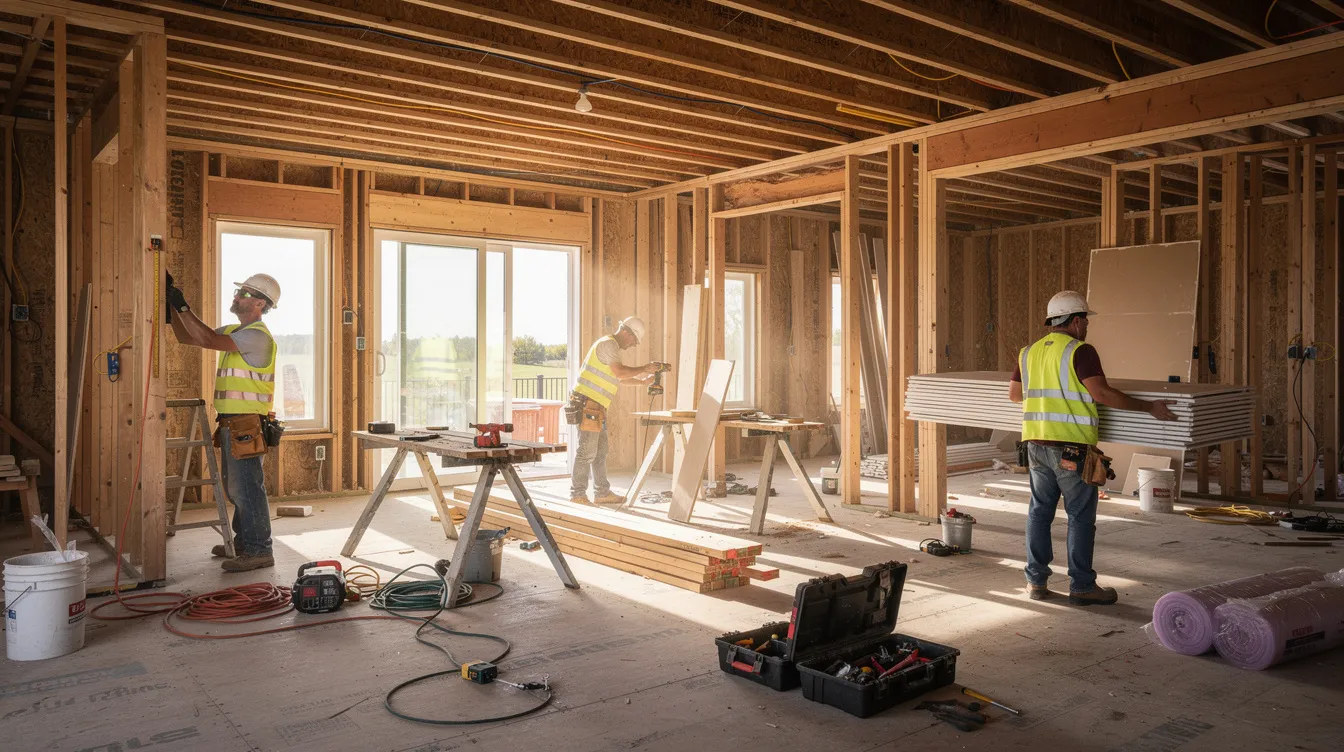
Risks, best practices, and how to get started in Orlando
I'd be doing you a disservice if I didn't mention the risks. Market shifts, rehab delays, contractor no shows, and rising holding costs can eat into margins fast. High leverage magnifies losses just as much as it magnifies gains.
Best practices worth following:
- Use conservative ARV comps and build in 10 to 15% rehab contingency
- Stress test every deal: what happens if rehab takes 30% longer or the sale takes an extra two months?
- Treat gap funding like any other cost of capital. Model it into your total deal budget and plan clear exit strategies
- Pre qualify with both a hard money lender and Gap Funded before you write offers, so you know exactly how much total capital you can deploy
If you're an investor in Orlando or anywhere in Florida, from Palm Beach County to Miami Dade County, Boca Raton to Coral Gables, Coral Springs to San Francisco (yes, we help investors buying remotely into Florida too), the process starts the same way.
Visit gapfunded.com/apply for a quick, soft pull application. You'll typically need a 650+ FICO, and we can coordinate with any reputable Orlando or Florida hard money lender to close your funding gap. No equity splits, no liens on the deal property, and you'll know your numbers before you make your next offer.
Related Reading
This article is for educational purposes only and isn't financial, legal, tax, or investment advice. Credit and financing outcomes depend on your own situation. Talk to a licensed financial professional before making funding decisions for your business.