
Hard Money Lenders in Miami: How Investors Actually Close Deals Fast

Hard Money Lenders in Miami: How Investors Actually Close Deals Fast
Introduction: Hard Money Lending in the Miami Real Estate Market
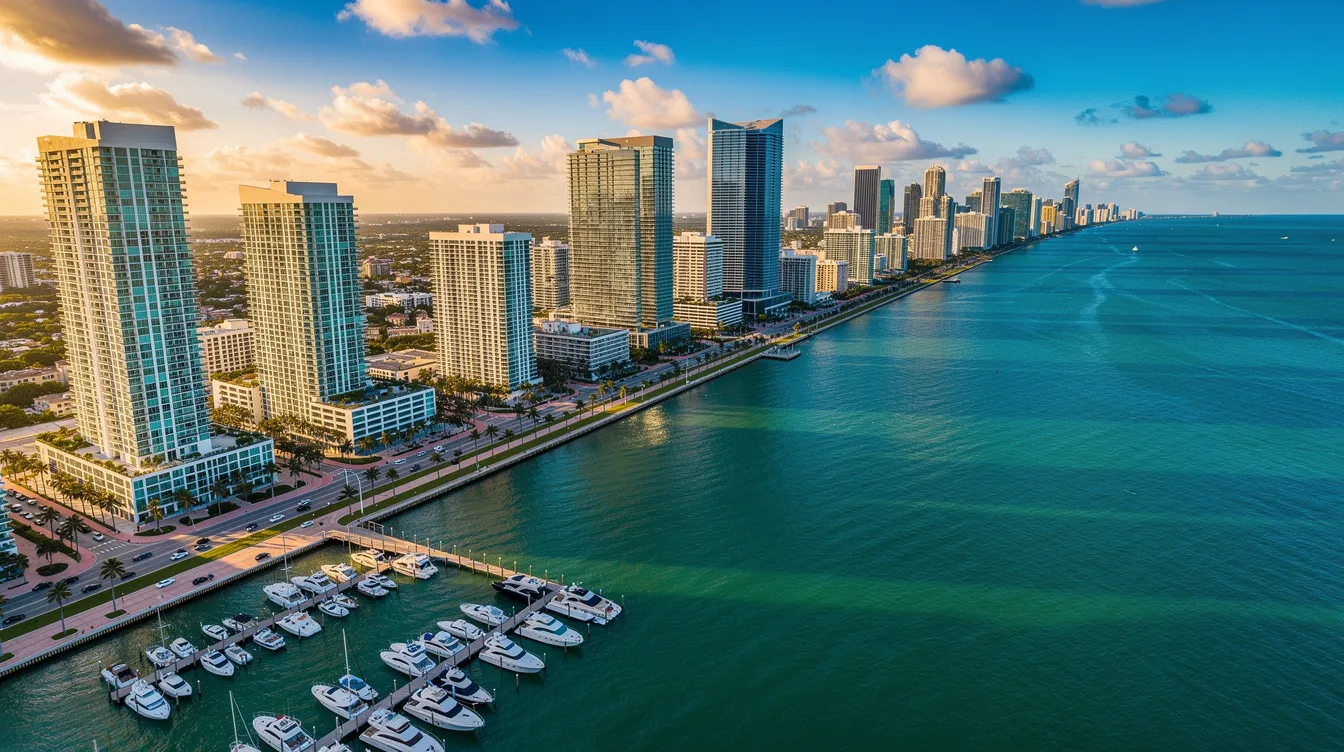
If you've ever lost a Miami deal because your financing took too long, you already know the problem. The Miami real estate market moves at a pace that punishes hesitation. Across Miami-Dade County, from Brickell penthouses to fixer uppers in Allapattah, real estate investors are competing against cash buyers who can close in days, not weeks. Properties in Wynwood, Little Havana, Edgewater, and South Beach often have multiple offers within hours of hitting the market, and sellers aren't waiting around for a bank to decide whether your income documents look tidy enough.
That's where hard money lending steps in. A hard money loan is short term, asset based financing secured by the property itself. Approval hinges on the collateral and your exit strategy rather than stacks of income verification paperwork or a pristine credit history. For real estate investors, including foreign nationals with limited US credit, hard money is often the only realistic path to closing fast enough to win the deal.
This article breaks down how to compare hard money lenders in Miami, what typical terms look like right now (rates, loan to value, fast closing timelines, fees), and where the real capital gaps show up in these deals. I'll also explain exactly how Gap Funded helps investors cover down payments, closing costs, rehab budgets, and working capital alongside their hard money loan. We are not a hard money lender. Gap Funded is a funding intermediary that stacks unsecured and asset based capital so you can actually close, without giving up equity in your deal.
Here's what this article delivers:
- Clear benchmarks on Miami hard money terms as of late 2026
- How foreign nationals qualify despite limited US credit
- A breakdown of the real capital gaps in deals and how Gap Funded tools fill them
- A step by step roadmap from finding a deal to fully funded project
What Is a Hard Money Loan in Miami?
Hard money loans are short term, asset based loans secured by real estate. In the Miami market, they're the go to financing for fix and flip projects, BRRRR strategies, bridge financing between acquisitions, and ground up construction in emerging neighbourhoods. They are typically used by real estate investors for quick capital needs, and hard money lenders can provide funding for properties that traditional banks may not finance.
Unlike conventional lenders, hard money lenders focus on property value over personal credit scores. Collateral based approval emphasises the After Repair Value (ARV) of the property and a borrower's clear exit strategy, not tax returns or debt to income ratios. Hard money loans are secured by tangible assets, reducing lender risk.
Here's what typical Miami hard money loans look like right now:
- Loan terms typically range from 6 to 24 months, with interest only payments
- Interest rates for hard money loans generally range from 7% to 18%, with most Miami fix and flip and bridge deals landing between 9% and 14%
- Hard money lenders typically cap loan to value ratios around 60% to 75%, though experienced borrowers with strong deals can sometimes reach higher leverage on a loan to cost basis
- Origination fees (points) usually run 1.5% to 3.5% of the loan amount, plus underwriting, title, and appraisal fees
- Hard money loans are generally more flexible but also more expensive than traditional mortgages, and hard money loans may involve higher costs associated with interest rates and origination fees
- Borrowers with no credit history can still qualify for hard money loans when the deal and equity position are strong
Why Real Estate Investors in Miami Use Hard Money Lenders
The speed of loan execution is a critical factor for investors in competitive markets, and Miami's real estate market is characterised by rapid property renovations and high competition. When a wholesaler sends you a deal at 2pm and wants an answer by 5pm, you don't have time to fill out a 40 page bank application. Approval for hard money loans can occur within 24 to 48 hours, and funding can often be secured in days rather than weeks or months.
Private money lenders and hard money lenders evaluate properties using localised real estate market data, which means they understand what a fixer in Liberty City is actually worth after rehab and what a short term rental near Miami Beach FL can generate in cash flow. Traditional lenders don't touch half these deals because the property condition, permit status, or zoning doesn't fit their lending guidelines.
Specific scenarios where Miami investors turn to hard money:
- Off market fix and flip opportunities in Allapattah or Little Havana that need fast closing and rehab capital
- Multifamily value add deals in emerging neighbourhoods where speed wins the contract
- Short term rentals near Wynwood and Miami Beach where tourism demand is strong but the property needs work
- Small commercial real estate deals bought at auction or through wholesalers
- Foreign nationals who can demonstrate global assets and larger equity positions but lack US credit history or traditional income verification
Typical Terms from Miami Hard Money Lenders
Before you sign anything, you should know what "normal" looks like. Here are the core metrics from Miami area hard money lenders as of late 2026:
- Interest rate: 9% to 12.5% is common for fix and flip loans and bridge loans; ground up construction and riskier projects trend higher
- Origination fee: 1.5% to 3.5% of the funded loan amount, sometimes more for smaller or riskier deals
- Loan to value: lenders usually base loan amounts on 65% LTV of appraised value, with maximum ARV exposure typically capped at 70% to 75%. Loan to value ratios for hard money loans can be up to 75%
- Term: 6 to 24 months, interest only, with extensions sometimes available for a fee
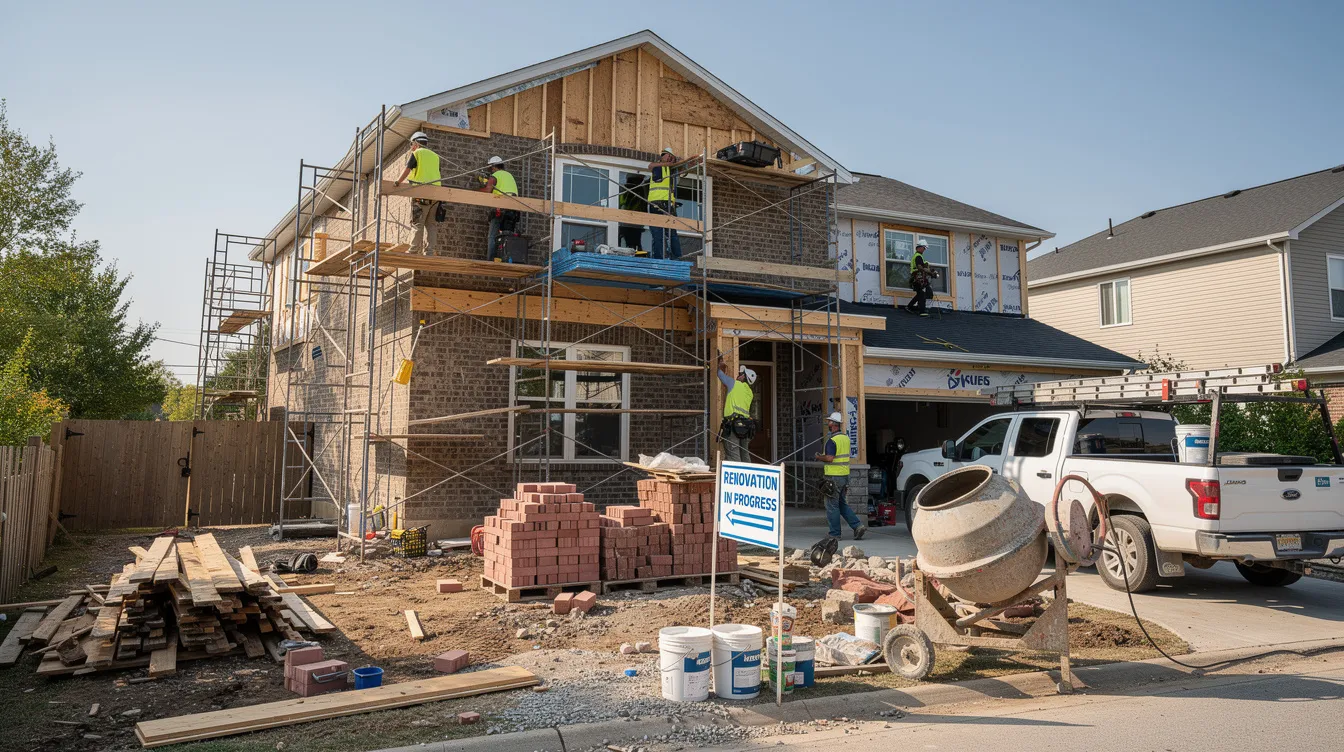
- Rehab funding: many lenders finance up to 100% of the rehab budget, but the total exposure must stay within the ARV cap. Rehab is paid in draws, not a lump sum
- Average loan amounts in Miami are around $1,133,636, and the average loan amount for Florida hard money loans was $806,740 in Q3 2026
- Minimum FICO score for hard money loans is 640 at many lenders, though stronger credit unlocks better terms
- Documentation: hard money loans typically require two months of bank statements, LLC or entity documents, a purchase contract, a detailed rehab budget, and a clear exit strategy
Hard money loans close in 7 to 12 days on average when title and appraisal cooperate. But here's the bit people skip over: your down payment and reserves need to already be lined up before closing can happen that fast.
Common Miami Hard Money Loan Programs
Most hard money lenders in South Florida offer a core set of loan programs. Here's how they break down:
- Fix and flip loans cover purchase and renovation costs for properties. Flipping properties often requires financing that accounts for rehabilitation costs, and these loans typically range from 6 to 24 months. A direct lender like Ridge Street Capital offers up to 90% of purchase plus 100% rehab for experienced borrowers at 10.5% to 11.5%, capped at around 70% to 75% of ARV. Fix and flip loans allow quick closing for real estate investors
- Bridge loans are short term loans for 2 weeks to 3 years, used when you need to acquire or hold a new property while waiting for a sale, permit, or refinance into permanent financing like a DSCR loan. Rates are similar to flip loans. Commercial bridge loans serve the same purpose for larger deals
- Construction loans cover ground up construction or heavy rehab in areas like Little River or Liberty City. These have lower leverage, stricter draw schedules, and more inspections
- Commercial hard money loans finance office, hospitality, and industrial properties, as well as mixed use buildings and commercial properties in Miami Dade County. Small commercial loans often start at $500K and go well above $2M
- Rental loans provide long term financing for rental properties, typically structured as DSCR loans based on the debt service coverage ratio of the property's income. These aren't technically hard money but are a common exit strategy
- Land loans are short term loans collateralised by land, used for pre development or holding raw parcels in emerging neighbourhoods
How to Qualify for Hard Money Loans in Miami
Qualifying is about the deal story, not your W2. Here's what matters to a private lender or asset based lender in the Miami market:
- The borrower's credit score: many lenders accept a minimum credit score in the mid 600s if the equity position is strong. Higher scores (700+) can unlock competitive rates and higher leverage
- Property condition and location: single family properties, multifamily, and commercial real estate in neighbourhoods with solid comparables and improving demand get better terms. Properties in Broward County, Palm Beach County, and even parts of Central Florida also qualify with many Miami based lenders
- Exit strategy: you need a clear plan. Sale, refinance to conventional or DSCR, or cash out. Without one, no serious money lenders will fund the deal
- Experience: a track record of completed projects helps. First time investors can still get funded loans, but expect lower leverage and higher rates
- Entity structure: most lenders require an LLC. Bring your entity documents, operating agreement, and EIN
- Foreign nationals can sometimes qualify with higher down payments, global asset documentation, bank statements, and compliance with Florida Land Title Association requirements, even without US credit history
- Reserves: lenders want to see you can carry the real estate project through delays. Two months of bank statements showing adequate reserves is standard
The Real Problem: Funding the Down Payment, Closing Costs, and Rehab
Here's what I reckon most articles about hard money lenders in Miami skip entirely: finding the lender is the easy part. Funding the gap between what the lender covers and what the deal actually costs? That's where deals die.
If a hard money lender offers 70% loan to value on a $500,000 Miami duplex, you still need roughly $150,000 for the down payment based on the purchase price. Then add closing costs, origination fee (2% to 3.5%), title, appraisal, insurance, and you're looking at another $15,000 to $25,000. Rehab overruns, holding costs, reserves, and an earnest money deposit can push total out of pocket to $200,000 or more. That's a fair whack of capital to have sitting in a bank account.
This is where Gap Funded comes in. We don't replace your hard money lender. We help you stack capital around that primary loan to close the deal. Every gap has a tool:
- Down payment: unsecured term loans or HELOC on an existing property
- Closing costs and origination fee: rapid gap funding or business credit cards
- Rehab draws: 0% credit card stacking for materials and contractor payments
- Reserves and holding costs: business line of credit or working capital
- Earnest money deposits: fast unsecured funding deployed in days
How Gap Funded Works Alongside Miami Hard Money Lenders
Gap Funded is a funding intermediary that partners with Miami private lenders and DSCR lenders by providing rapid, non dilutive capital. We fill the space between what the primary lender offers and the total cost of your real estate project.
The typical flow: you secure a term sheet from a hard money lender, identify the dollar amount you're short, then apply with Gap Funded to get pre qualified for unsecured gap funding, lines of credit, or HELOCs. We build a capital stack tailored to your deal, your credit profile, and your timeline.
Realistic qualification: usually 650+ FICO, verifiable income or business revenue, and reasonable existing debt. Checking your options with Gap Funded uses soft credit pulls with no impact to your score.
What Gap Funded does and doesn't do:
- We are not the hard money lender, and we are not a private money lender
- We never take equity in your deals
- We don't place liens on the subject property or investment properties you're acquiring
- We do provide fast approvals, stacked funding options, and tools that sit cleanly behind your primary hard money loan in the capital stack
Gap Funding Tools That Support Miami Hard Money Loans
Think of your Miami deal as a capital stack: primary hard money loan on the bottom, Gap Funded solutions filling everything above it. Here are the tools, and the order matters because applying out of sequence can knock out later approvals:
- Debt consolidation: if existing debt is dragging your profile down, clearing it first improves your borrowing power for everything that follows. This is step one for a reason
- Rapid gap funding (unsecured term loans): 5 to 7 year personal term loans that can cover down payment or rehab capital with no liens on the investment property. Short term financing without the short term stress of a private loan balloon
- 0% credit card stacking: business credit cards at 0% intro APR covering materials, contractor draws, and holding costs during a fix and flip or rehab project. These work especially well for renovation costs under $50K
- HELOC on an existing property: if you own a home or investment property with equity, a HELOC turns that dormant equity into active capital. Use the HELOC calculator to estimate what you could pull
- Business line of credit or business term loans: for Miami investors who also run operating businesses generating $20K+ per month in revenue, these tools provide working capital for construction draws, carrying costs, or expanding a rental portfolio
Choosing the Right Miami Hard Money Lender (and When Gap Funded Is a Better Fit)
When comparing hard money lenders, here's what actually matters:
- Experience in the Miami real estate market: do they understand hurricane code requirements, Miami Dade County permit timelines, and neighbourhood level comps in places like Edgewater or Hillsborough County?
- Speed: some lenders advertise 7 day closes. Others take 2 to 3 weeks. Ask for their actual average, not their best case
- Fee transparency: get the all in cost in writing, including points, underwriting, extensions, and prepayment penalties
- Foreign national programs: not all private lending firms handle the extra documentation and compliance required
- Flexibility on property type: can they fund home loans, commercial real estate, mixed use, and single family properties, or just one niche?
Some investors don't yet qualify for hard money or DSCR loans due to credit or income gaps. Building credit with Gap Funded tools (term loans, card stacking) can serve as a stepping stone toward qualifying for asset based financing down the track. Use hard money for what it does best: fast, collateral based, short term loans on investment properties. Use Gap Funded for what banks and private money lenders generally won't cover: the down payment, closing costs, rehab gaps, and working capital that make the deal possible.
Step by Step: From Miami Deal to Fully Funded ProjectStep by Step: From Miami Deal to Fully Funded Project
Here's the roadmap, mate:
- Find a Miami deal and estimate the ARV using local comps
- Get quotes from two to three hard money lenders in Miami, comparing rate, LTV, points, and timeline
- Identify the funding gap: how much cash do you need beyond what the lender covers?
- Apply with Gap Funded at gapfunded.com/apply to get pre qualified for unsecured gap funding, credit stacking, or HELOCs
- Stack your funding tools in the right order to cover down payment, closing, rehab, and reserves
- Close and execute the rehab or value add plan
- Exit via sale, refinance into a long term solution like DSCR loans or permanent financing, or hold
Example scenario: You find a two unit multifamily in North Miami Beach for $600,000. Rehab budget is $80,000. ARV is $850,000. Your hard money lender offers 70% of purchase ($420,000) plus 100% of rehab ($80,000), totalling $500,000. The 75% ARV cap ($637,500) isn't breached, so the loan is approved. Your interest rate is 11%, points are 2%, loan term is 12 months.
You still need roughly $180,000 for the down payment, plus $10,000 in origination fee, plus reserves and carrying costs. That's your real estate financing gap. Gap Funded could cover it with an unsecured term loan for the down payment, 0% credit card stacking for rehab materials, and a HELOC on your existing property for reserves.
Pre qualifying for gap funding before you shop for a property can dramatically improve your negotiating power. Sellers and hard money lenders both prefer working with investors who can prove their capital is lined up and ready.
If you've got a Miami deal in the pipeline or you're building your investment strategy for the next opportunity, apply for a quick funding review. Soft pull, no impact to your credit, and you'll know exactly what tools are available before the next property hits the market.
Related Reading
This article is for educational purposes only and isn't financial, legal, tax, or investment advice. Credit and financing outcomes depend on your own situation. Talk to a licensed financial professional before making funding decisions for your business.