
DSCR Loan California: How Investors Use Rental Income (Not Personal Income) to Buy More Properties

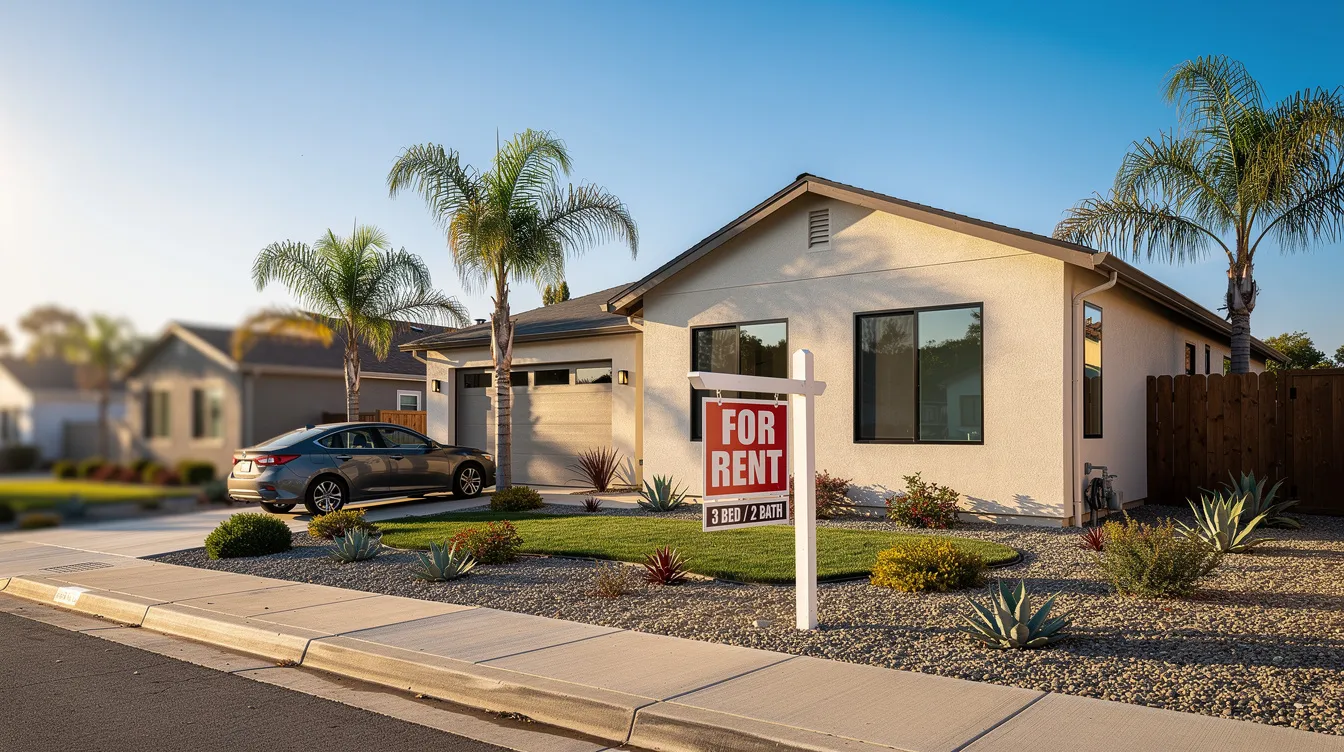
DSCR Loan California: How Investors Use Rental Income (Not Personal Income) to Buy More Properties
Most California real estate investors I talk to have the same story. They found a solid rental, the numbers work, the DSCR lender gave them a thumbs up on the property's cash flow, and then the deal dies because they're $80,000 short on the down payment or reserves. This guide breaks down exactly how DSCR loans in California work, what lenders actually require, and where the funding gap shows up so you can plan around it before you write the offer.
Fast Answer: What Is a DSCR Loan in California and Who Is It For?
A DSCR loan in California is an investment mortgage where you qualify based on the property's rental income rather than your personal income, tax returns, or pay stubs. DSCR loans allow financing without personal income verification, which makes them a go to tool for California real estate investors who write off everything, own through LLCs, or simply don't fit a conventional lender's DTI box.
Here's what you need to know up front:
- The debt service coverage ratio formula is straightforward: DSCR = gross monthly rental income ÷ monthly PITIA (principal, interest, taxes, insurance, and HOA dues). Most California DSCR lenders want at least 1.0 to 1.25.
- These loans are strictly for non owner occupied California rental properties: long term rentals, small multifamily, and many short term vacation rentals. Your primary residence does not qualify.
- DSCR loans streamline approval in 24 to 48 hours in many cases, with faster underwriting and closing processes compared to traditional loans.
- This guide is written from Gap Funded's perspective. We are not your DSCR lender. We're the capital partner that helps you cover the down payment, closing costs, rehab, or reserves so your DSCR deal actually closes.
What Does DSCR Mean (With a California Example)?
The debt service coverage ratio measures whether the rental income from a California investment property is enough to cover the monthly mortgage payment and related housing costs. That's it. No complicated commercial underwriting, no EBIT calculations.
- Formula: DSCR = monthly gross rental income ÷ monthly PITIA. DSCR calculations include principal, interest, taxes, insurance, and dues.
- California example: a San Diego single family rental with $4,200/month market rent and $3,500 PITIA produces a DSCR of 1.20 (4,200 ÷ 3,500). That typically qualifies for standard DSCR programs with solid pricing.
- A DSCR of 1.0 means rental income covers debt service exactly. A DSCR of 1.25 indicates rental income exceeds obligations by 25%.
- Below 1.0? The property shows a shortfall on paper. Some DSCR lenders still lend with compensating factors like a larger down payment, higher credit score, or more cash reserves. But most lenders prefer a DSCR ratio of 1.0 to 1.25 for favourable loan rates.
For California 1 to 4 unit residential rentals, lenders base this on rents and housing costs via a rent schedule or market rent analysis, not commercial EBIT.
Why Choose a DSCR Loan in California Instead of a Traditional Investment Mortgage?
Unlike conventional loans, which dig into your personal income documentation, W-2s, and full tax returns, DSCR financing qualifies you on the property's rental income. In expensive California markets like Los Angeles, San Diego, and the San Francisco Bay Area, that distinction matters a lot.
- DSCR loan approval leans on rental income from the California investment property, not personal income or tax returns. DSCR loans are ideal for self-employed investors with complex finances, LLC structures, and anyone who optimises their tax position (read: most smart investors).
- Conventional loans cap financed properties at ten. There are no limits on the number of properties financed with DSCR loans. Investors can finance multiple properties as long as each deal's property cash flow supports the ratio.
- In cities with strong rental demand and high pricing, this means you can keep adding California rental properties, including vacation rentals and long term rentals, without hitting a wall.
- Trade offs are real: DSCR rates typically run 1% to 3% higher than agency loans, and prepayment penalties are common. But for scaling a real estate portfolio in California, the flexibility is hard to beat.
DSCR Loan Requirements in California: What Lenders Actually Look At
Every lender has slightly different guidelines, but most DSCR loan requirements in California share a common core. Here's what many DSCR programs expect:
- Minimum DSCR ratio: lenders typically require a minimum DSCR of 1.0 to 1.25 for approval. Some lenders allow for a DSCR below 1.0 under specific circumstances but may require higher down payments, stronger credit, or deeper reserves.
- Minimum credit score: the floor is usually 620 to 680, depending on the lender. Many California DSCR loans require a minimum credit score between 620 and 680. Better pricing and 80% LTV typically start at 680 to 700+. A score of 740+ opens the strongest options.
- Down payment: most DSCR loans require a down payment of 20% to 25% for purchases. Cash out refinancing is often capped around 70% to 75% LTV on California investment properties.
- Cash reserves: lenders often require liquid cash reserves of 3 to 6 months post closing. DSCR loans typically require 3 to 12 months of cash reserves post closing depending on DSCR, FICO, and total number of financed rental properties.
- Non owner occupied: lenders verify the property is not a primary residence, is rent ready, and is legally usable as a California rental. This includes verifying short term rental rules and local permits where relevant.
Eligible Property Types and Rental Strategies in California
DSCR loans are built to follow California rental income, so your property type and rental strategy determine eligibility.
- Eligible property types: single family homes and condos, townhomes, duplexes, triplexes, and fourplexes. Eligible properties include two to four unit investment properties. Some lender guidelines extend to small multifamily (5 to 8 units) under specialty programmes.
- Investment property only: properties must be habitable and usually non owner occupied for DSCR loans. Loans can often close in LLCs or trusts for asset protection.
- Long term rentals vs short term vacation rentals: long term rentals typically qualify using an existing lease or market rent analysis. Short term rental properties may require past booking history (Airbnb/VRBO), P&L, or special programme guidelines. Some lenders accept projected short term rental income for qualifying cash flow in DSCR loans.
- California vacation rental markets: San Diego coastal, Palm Springs, Coachella Valley, Lake Tahoe, and Joshua Tree can work well for eligible short term rentals and DSCR loans. But investors must follow local ordinances, STR caps, and licensing. Properties must be rent ready and in verifiable rental markets.
DSCR loans support financing for short term rentals like Airbnbs, which opens up a heaps of opportunity in California's tourism zones.
How to Calculate DSCR on a California Rental Property (Step by Step)
Many California investors miscalculate DSCR by using the seller's old property tax bill instead of the reassessed amount. California property taxes are reassessed based on the new purchase price after ownership changes under Proposition 13, and that can blow up your numbers.
- Step 1: Estimate gross monthly rental income. Use comparable leases for long term rentals or historical booking data for short term. A property with an existing long term tenant may negatively impact the DSCR calculation if the rent is below market.
- Step 2: Calculate full monthly PITIA. Include property taxes at 1.0% to 1.25% of the purchase price (not the seller's bill), realistic California insurance (higher in wildfire or flood zones), HOA dues, and any special assessments like Mello Roos.
- Step 3: Divide Step 1 by Step 2.
Worked example: $900,000 California rental property in San Diego. Investor puts 20% down ($180,000), so a loan amount of $720,000 at 7.25% on a 30 year fixed. Property tax rate 1.1%, insurance 0.30% annually, $150/month HOA.
| Component | Monthly Amount |
|---|---|
| Principal and interest | ~$4,912 |
| Property taxes | $825 |
| Insurance | $225 |
| HOA | $150 |
| Total PITIA | ~$6,112 |
With $4,800/month long term rent: DSCR = 4,800 ÷ 6,112 = 0.79. That won't qualify at most lenders under standard terms.
Bump rent to $5,200 (maybe add a permitted ADU or go mid term furnished): DSCR = 5,200 ÷ 6,112 = 0.85. Still tight. Increase down payment to 25% and the PITIA drops, or boost the rental strategy, and suddenly you're closer to 1.0.
Small changes in rate, LTV, or HOA can push DSCR below 1.0 and affect approval tiers. State rent control laws can impact the rental income expected for DSCR calculation, too. Pre model multiple scenarios before writing offers. Typical loan amounts range from $100,000 to $3 million.

Where DSCR Loans Shine in California: Key Cities and Market Types
California's rental income profiles vary sharply between coastal metros, inland markets, and tourism zones. That affects your DSCR loan strategy more than most people reckon.
- Coastal employment hubs (Los Angeles, San Diego, San Francisco, San Jose): higher property prices, strong rental demand, but tighter DSCR at standard 20% down. California's median home sale price is around $802,000. Investors often need interest only periods or a larger down payment to make the ratio work.
- Inland and Central Valley markets (Sacramento, Stockton, Modesto, Bakersfield, Fresno): lower prices, better rent to price yields. DSCR of 1.20+ with 20% to 25% down is common. These central valley markets are the bread and butter of California DSCR investing.
- Vacation rental and tourism markets (Palm Springs, Coachella, Big Bear, Lake Tahoe, Joshua Tree, Napa/Sonoma): strong nightly rates but variable occupancy. Lenders may qualify based on historic or market derived short term rental income, often with a 15% to 25% income haircut.
- University and military markets (San Diego, Riverside County, Davis, Claremont): stable rental demand, often ideal for small multifamily DSCR strategies. California's population is estimated at 39.36 million and nearly 49% of households are renter occupied with a gross rent median of $2,036 from 2020 to 2024. California's real estate market attracts strong rental demand across these segments.
DSCR Versus Other Investor Financing (Bank Statement, Hard Money, Conventional)
DSCR is one tool in your financing toolbox. Understanding alternatives helps you pick the right capital stacking strategy.
- DSCR vs conventional: conventional often offers lower rates but needs full personal income documents, personal income verification, bank statements, and caps properties at ten. Better for W-2 buyers with fewer California rental properties and clean DTI.
- DSCR vs bank statement loans: bank statement programmes qualify based on business or personal cash flow deposits. DSCR keeps the focus on property income and is usually simpler for dedicated California investment property deals.
- DSCR vs hard money / bridge loans: hard money loans are short term, while DSCR loans are long term. Hard money prioritises asset value and speed for fix and flip or heavy rehab. DSCR is for stabilised, rent ready properties on 30 year terms.
A common California play: acquire with hard money or bridge capital, complete rehab and lease up, then refinance into a DSCR loan once qualifying rental income supports the long term note. That's a classic BRRRR approach and it works well when you plan the capital stack ahead of time.
Common California DSCR Pain Points: Where the "Funding Gap" Appears
Many California DSCR deals fail not because the rental cash flow is bad, but because investors run out of cash before they get to the closing table.
- Down payment gaps: 20% to 25% of a $700,000 to $1,200,000 California property is $140,000 to $300,000. Many investors are solid on credit and deal quality but short $40,000 to $150,000 in liquid capital.
- Closing costs and required reserves: lender fees, title, escrow, points, prepaids, plus 3 to 12 months of PITIA reserves can easily add another 5% to 10% of the purchase price. That's a fair whack of cash on top of the down payment.
- Rehab or rent readiness: turning a tired California rental into a top of market product may require $25,000 to $150,000 in upgrades before it generates the property's qualifying rent and rental income potential needed for the DSCR to pencil.
- Working capital and earnest money deposit: investors tying up $10,000 to $50,000 in EMD plus carrying debt obligations from other projects often hit liquidity limits right when the lender asks to see reserves.
This is the exact problem Gap Funded is built to solve. We do not replace your DSCR lender. We supply the missing capital stack so you can meet DSCR loan requirements and still keep your business liquid.
How Gap Funded Helps California Investors Close DSCR Loans (Without Equity Splits)
Gap Funded plugs into DSCR deals as a funding intermediary. We help with the parts your primary lender won't finance so the whole transaction works. No equity splits. No liens on the deal property.
- Unsecured gap funding: personal term loans used toward down payments, closing costs, light rehab, or reserves. Typically for borrowers with a 650+ FICO. Soft credit pulls mean no impact just to check your options.
- 0% credit card stacking: multiple cards structured to create $50,000 to $150,000+ in low interest capital for repairs, furniture for vacation rentals, or reserve requirements. Particularly useful for short term rental setups.
- HELOC: tapping equity in an existing home or California investment property to create DSCR down payment funds or rehab budgets. If you've got equity sitting in another property, this is one of the most efficient ways to deploy it.
- Business lines of credit and business term loans: for operating investors who already have 2+ years in business and $20,000+ per month in revenue. These revenue based tools can stock liquidity or cover interim costs before the rental stabilises.
The order matters. Applying for these tools in the wrong sequence can knock out later approvals. We walk you through that.
Ready to find out how much gap capital you can bring to a DSCR deal? Start a no obligation funding review at gapfunded.com/apply before you write your next offer.
Putting It Together: Example DSCR Deal in San Diego Using Gap Funding
Here's how the pieces fit together on a real world deal structure:
- The property: a $950,000 single family home with a permitted ADU near San Diego State University, projected to rent for $5,200/month as a long term student rental. Estimated PITIA of $4,200/month gives a DSCR of approximately 1.24.
- Lender requirements: 20% down ($190,000), about $25,000 in closing costs and prepaids, plus 6 months of reserves (~$25,000). Total cash needed: approximately $240,000.
- The gap: the investor has $130,000 liquid. Shortfall of roughly $110,000.
- Gap Funded's role: an unsecured term loan covers ~$80,000 of the down payment gap. 0% credit card stacking supplies $20,000 to $30,000 for furnishing, reserves, and closing costs. The investor preserves working capital for unexpected expenses.
- After closing: the strong DSCR supports future refinances or additional most DSCR loans for more California rental properties. The investor pays down gap funding from rental cash flow and other income over time.
Tips to Improve DSCR on a California Rental Before You Apply
Improving DSCR even slightly can mean better pricing, a smaller down payment, or less restrictive terms.
- Increase rental income: add a bedroom, permit an ADU where legal, upgrade finishes for higher rent, or pivot from long term rental to a compliant short term or mid term rental strategy where California regulations allow. Even shifting the rental strategy can meaningfully boost the property's rental income.
- Lower monthly PITIA: consider buying down the rate, choosing a 30 or 40 year term with an interest only period if the lender allows, or paying a bit more down to reduce the loan amount and the monthly mortgage payment.
- Get realistic on California taxes and insurance: align your estimates with Proposition 13 reassessment realities instead of the seller's current bill. Property value based reassessment catches people off guard constantly.
- Where Gap Funded helps: we can provide funds to buy down the rate, increase your down payment, or complete value add upgrades that support higher rental income and a better DSCR in both the short and long term.
What Kind of Investor Is a California DSCR Loan Best For?
Not every investor needs a DSCR loan, but these profiles benefit the most in California markets:
- Self employed or 1099 professionals whose tax returns show low personal income but who have strong cash flow and good credit. DSCR loans are often used by self-employed investors and high income earners with complex taxes. The property income does the qualifying instead of personal income documents.
- Investors scaling to multiple properties where conventional property count caps or debt to income rules would block additional deals. DSCR loans allow financing of multiple properties without limits, underwriting each rental on its own cash flow.
- BRRRR and value add investors: acquire with bridge or rehab capital, stabilise rents in California, then exit into DSCR for long term fixed financing.
- Vacation rental operators targeting markets like Palm Springs, San Diego coastal, or Lake Tahoe where nightly rates can comfortably cover PITIA even at high property values.
Gap Funded is designed for these same investor types. If your deal quality and credit are solid but you're short on down payment, rehab, or reserves, that's exactly what we fix. No equity splits, no gator lending complexity, just capital that moves fast enough to match your DSCR lender's timeline.
Next Steps: Line Up Your Gap Capital and DSCR Strategy Before Your Next California Deal
California DSCR loans let your property's rental income do the qualifying. Gap Funded fills the funding gap around down payment, closing costs, rehab, and reserves so you can actually close.
- Audit your resources: personal cash, equity in existing properties, credit profile (aiming for 650+ to access most Gap Funded programmes), and your pipeline of potential rental properties.
- Talk to both a DSCR lender and Gap Funded early: pre structure your capital stack for California rental property acquisitions before you're under contract and scrambling.
- Apply now: complete a quick application at gapfunded.com/apply for a no obligation funding review. We'll explore tools like gap funding, HELOCs, and credit card stacking tailored to your California DSCR strategy. Soft credit pull only. No impact just to check.
With the right DSCR lender plus Gap Funded's capital solutions, California investors can scale long term rentals, short term vacation rentals, and multiple properties without giving up equity. Line up the capital before you write the offer, mate. Not after.
Related Reading
This article is for educational purposes only and isn't financial, legal, tax, or investment advice. Credit and financing outcomes depend on your own situation. Talk to a licensed financial professional before making funding decisions for your business.