
CT Hard Money Lenders: Fast Capital for Connecticut Real Estate Investors

CT Hard Money Lenders: Fast Capital for Connecticut Real Estate Investors
Most Connecticut real estate deals don't wait around for a bank to finish reviewing your tax returns. If you're buying a distressed 2 family in Hartford or a rental play in New Haven, you need capital that moves as fast as the market does. Here's how hard money lending works in CT, what it actually costs in 2026, and where the funding gap still trips investors up.
Why Connecticut Real Estate Investors Use Hard Money Lenders First
Real estate investors in Connecticut lean on hard money lenders for one simple reason: speed kills deals, and banks are slow. Conventional mortgages require full income verification, debt to income ratios, and a loan process that can stretch past 30 days. Hard money loans, by contrast, are asset based. Lenders care about the property, the after repair value, and your exit strategy. Not your W2 history.
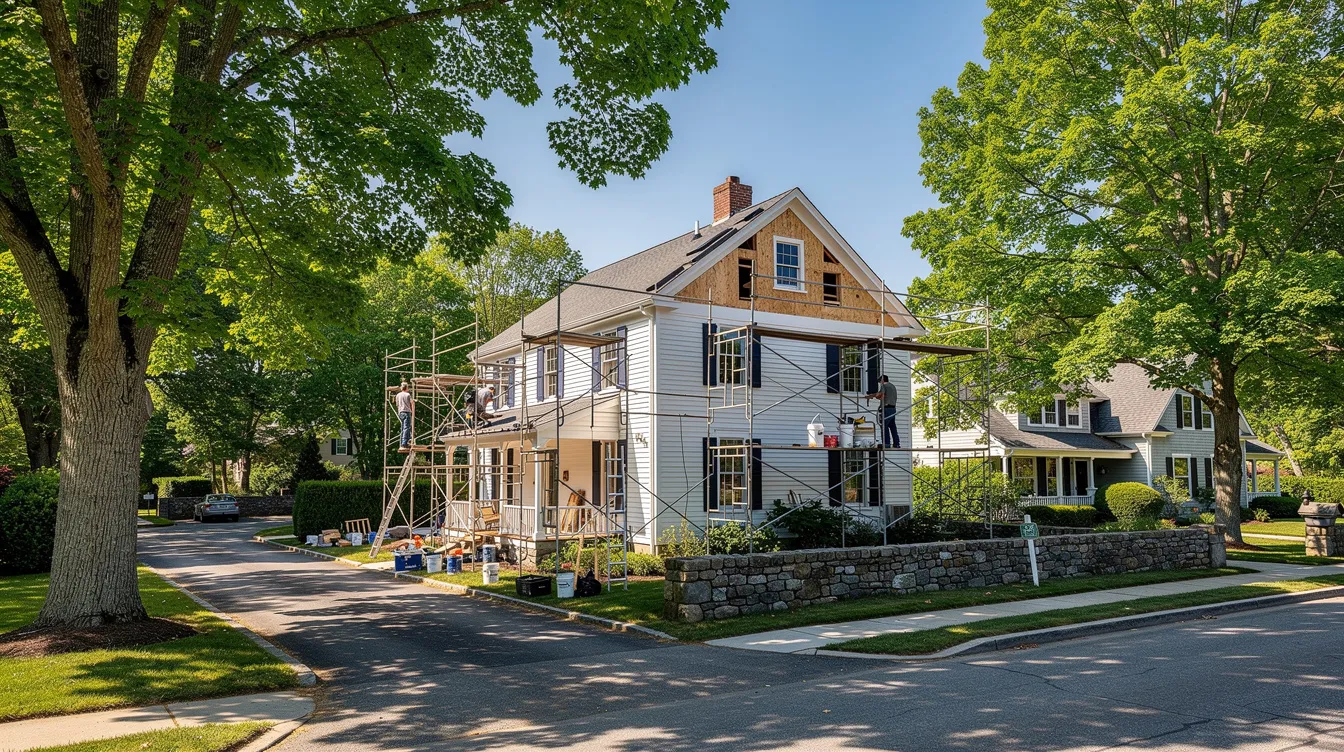
Common use cases across the state include fix and flip projects in Hartford and West Hartford (ZIPs like 06106, 06105), BRRRR rentals around New Haven, and small multifamily acquisitions in Bridgeport and Waterbury. Hard money loans support various investment strategies, from single family homes to mixed use buildings, because the underwriting focuses on what the deal looks like rather than what your accountant says about last year.
Connecticut hard money loans are short term, property backed financing for investment properties. A direct lender uses its own capital and sets internal rules, which usually means fewer surprises. A broker connects you to multiple money lenders in Connecticut, which can help with harder deals but sometimes adds fees and friction. Finding a reliable hard money lender who actually understands CT's municipal permitting quirks and local construction costs is a rare find in competitive markets.
One thing to get straight early: Gap Funded is not a hard money lender. We don't originate loans or fund your purchase. We're the capital stack strategist that fills in the parts your CT hard money lender won't cover, like down payments, closing costs, and early rehab expenses, without taking deal equity or placing liens on your property.
How CT Hard Money Lending Works (and Typical Loan Terms in 2026)
Hard money lending is straightforward. You borrow against the property itself, make interest only payments during a short term, and repay the full balance when you sell or refinance. Hard money loans provide fast access to capital, and hard money lenders often approve loans without income verification or bank statements in the traditional sense.
Here's what the numbers look like in Connecticut right now:
| Term | CT Average (2026) |
|---|---|
| Interest rate | 10.03% average (range 9% to 12.5%) |
| Origination fee | 2.8% points |
| Loan duration | 6 to 36 months |
| Average LTV | 69% |
| Average loan amount | $710,935 |
| Down payment | 10% to 30% of purchase price |
| LTC coverage | 70% to 85% of purchase price |
In Q1 2026, the average interest rate was 9.30%. By Q3 2026, the average interest rate for hard money loans in Connecticut was 10.03%. Connecticut hard money lenders funded 133 loans in Q2 2026, so this market is active.
An experienced investor can secure higher leverage and better terms compared to a new investor. If you've done a few flips, expect more favourable rates and lower cash to close requirements. First timers may face a higher down payment or tighter draw process.
Closing speed is where hard money crushes traditional banks. Pre approvals can be issued within 24 hours. Unitas Funding offers pre approvals within 24 hours, and Constitution Lending can fund loans within 4 days. Loans can close in as little as 3 business days with clean title and documentation. Even on more complex deals, hard money loans typically fund within 7 to 14 days. Loan processing can take as little as 7 days with complete documents.
Underwriters focus on purchase price versus ARV, contractor bids, scope of work, and market data like days on market in towns like West Hartford and Stamford. Asset based loans are evaluated primarily on the property's purchase price and after repair value. Borrowers must present a clear exit strategy for loan repayment or refinancing. Most lenders also want to see that borrowers can demonstrate liquidity to cover renovation overruns or monthly payments.
Types of Connecticut Hard Money Loans (Fix and Flip, New Construction, DSCR)
CT hard money lenders offer multiple loan products tailored to different real estate investment strategies. Borrowers typically need a clear project plan for approval regardless of which loan program they choose.
Fix and flip loans finance the purchase and renovation of properties. Underwriting is based on ARV, and many lenders fund up to 65% to 75% of ARV or 85% to 90% of total project cost. Interest runs 9% to 14%, terms are 6 to 18 months, and rehab funds come through a draw process tied to inspections.
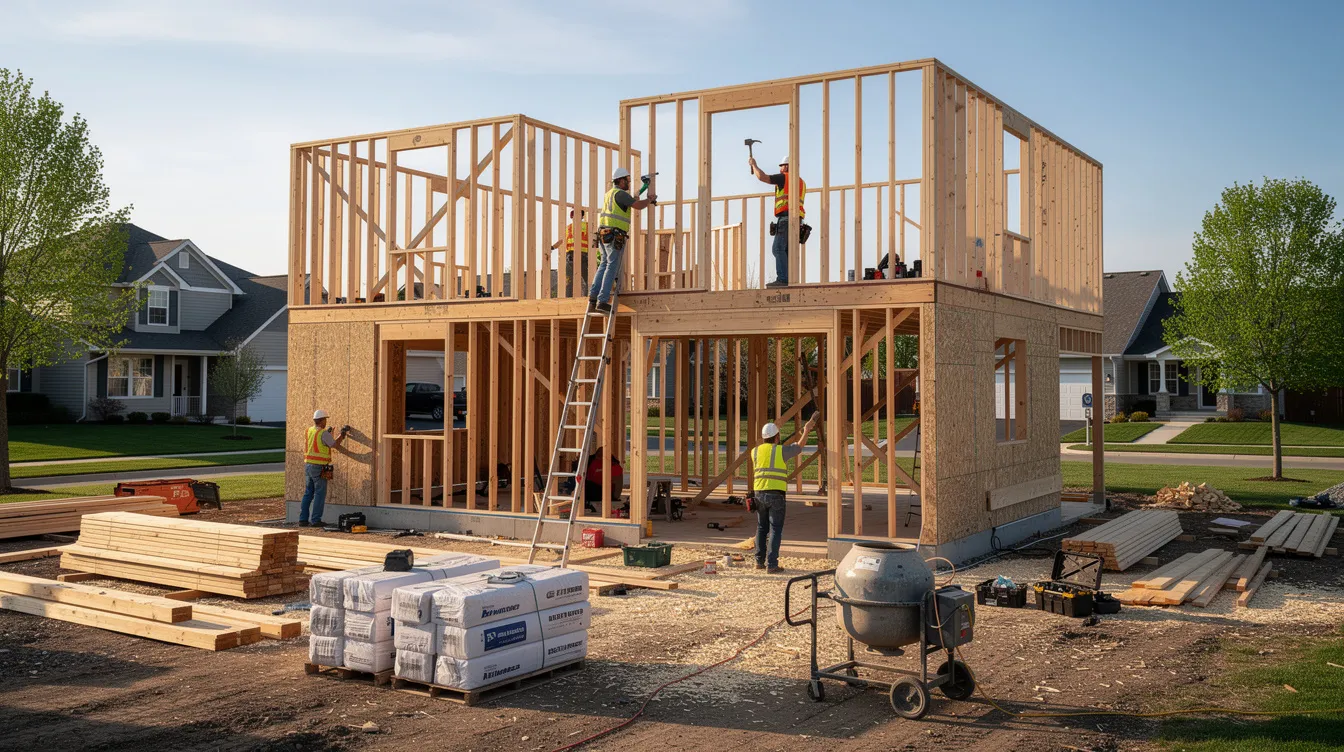
New construction loans are more complex. These construction loans in Connecticut involve staged construction draws covering land acquisition, foundation, framing, MEP, and finishes. Lenders require general contractor experience and tighter oversight. Capital Kings data shows rates around 11.49% for GC backed first builds.
Bridge loans provide interim financing for quick property acquisitions. They're useful when you need to buy before selling another asset or before arranging longer term financing. Terms are usually 3 to 24 months.
Rental and DSCR loans focus on property cash flow without income verification in the traditional sense. DSCR loans typically require a debt service coverage ratio of 1.0 to 1.25 or higher. CT DSCR rental loan programs show rates around 6.7% to 7.1% for strong credit borrowers at 75% to 80% LTV.
Out of state national lenders versus a local lender approach Connecticut real estate differently. A local lender understands shoreline versus inland dynamics, older housing stock, and permit delays that other lenders might miss.

Direct Lender vs Broker in the Connecticut Hard Money Market
A direct lender uses its own money and sets its own underwriting guidelines. That usually means faster decisions, clearer loan terms upfront, and fewer last minute surprises. Brokers place your deal across multiple funding sources, which can be helpful if you have credit challenges or an unusual property type.
The pitfalls with brokers? Double fees (origination plus broker commission), changing loan terms late in the loan process, and slower communication when you need quick approvals in competitive bidding. Not all brokers are bad, but transparency matters.
Gap Funded works alongside both CT hard money lenders and national programs. We act as your capital stack strategist, not as a traditional lender or broker. We don't take equity, and we don't place liens on the subject property. We help you structure deals so you can actually close them.
Real Estate Investors in Connecticut: Where the Funding Gap Shows Up
Picture this: you've got a contract accepted on a 3 family in New Britain. Your hard money lender approves the purchase plus rehab. Then you realise you still need cash for the down payment (10% to 25%), closing costs, appraisal fees, initial rehab materials before the first draw hits, contingency reserves, and carrying costs like insurance and utilities while rehab proceeds.
Many estate investors in Connecticut underestimate how much cash older housing stock demands. Pre 1950 properties regularly uncover lead paint, plumbing surprises, and structural issues that trigger change orders. Hidden costs pile up fast.
Income verification issues or high revolving credit balances can also limit what a lender will advance. The result: even when the hard money covers the bulk of the deal, there's a funding gap that can sink your next project if you don't plan for it.
How Gap Funded Complements CT Hard Money Lenders (Without Touching Your Deal Equity)
Gap Funded exists to close that gap. We don't replace your Connecticut hard money lender. We fund the shortfall they can't or won't cover: down payment, closing costs, early rehab expenses, contingency reserves.
The tools we deploy, in order:
- Unsecured term loans for fast down payment and closing cost capital
- Business credit card stacking at 0% intro APR for materials and early stage rehab
- Business lines of credit for flexible, revolving needs
- HELOCs on primary or existing investment property for larger, longer term requirements
This order matters. Unsecured tools are fastest to deploy and don't require property collateral. HELOCs take longer but are cheaper for bigger amounts. Applying out of sequence can knock out later approvals.
Realistic qualifications: FICO 650 or above, responsible existing credit use, verifiable income or business revenue. No equity splits. No liens on the deal property. Soft credit pulls to check your options with no impact to your score. We move fast enough so your existing hard money approval doesn't expire.
Funding Tools for CT Real Estate Investment: When to Use Which Option
Different gaps call for different capital tools. Here's how to match them:
Down payment and closing costs: Unsecured personal term loans and 0% business credit card stacking can supply $20K to $150K quickly.
Rehab overruns and contingency: Stacked business credit cards and business lines of credit handle materials, contractor deposits, and emergency repairs mid project.
Working capital between draws: Revolving lines smooth cash flow while you wait on construction draws from your hard money lender.
Refinance prep for DSCR or rental loans: Debt consolidation can improve your DTI or FICO ahead of a DSCR refinance on Connecticut rental property.
Equity based options: A HELOC on a primary or existing rental makes sense when the gap is large and you want lower cost capital over a longer period.
Example Capital Stacks for Connecticut Fix and Flip and New Construction Deals
Fix and Flip in Meriden. Purchase price: $220,000. Rehab: $80,000. ARV: $420,000. Borrower: FICO 680, two flips completed. Hard money lender funds 70% ARV ($294,000) at 11% interest, 2.5% origination fee, 9 month term with draws. Total project cost is $300,000. Gap Funded covers $30,000 for down payment and closing via unsecured term loan, plus a 0% credit stack for initial rehab materials before the first draw. Closing in 7 to 10 days.
BRRRR in New Haven. 3 family purchase at $450,000. Rehab: $120,000. ARV: $750,000. Hard money at 70% ARV funds $525,000. That leaves $45,000 uncovered plus closing and early draw costs. Gap Funded provides $65,000 via unsecured tools and a business line of credit. Exit: refinance into a 30 year DSCR rental loan at around 7.1% fixed. Project timeline: 12 months.
New Construction, Hartford Suburb. Lot: $110,000. Build budget: $290,000. Total: $400,000. Projected completed value: $650,000. Hard money new construction program advances 85% of cost ($340,000). Gap Funded covers permits, plans, builder mobilisation, and cash buffer, roughly $60,000 to $70,000, through a business term loan. Timeline: 12 to 18 months.
Choosing the Right CT Hard Money Lender and Coordinating With Gap Funded
When evaluating money lenders, focus on speed (can they get you pre approved and close quickly?), transparency of all loan terms including extension fees and prepayment penalties, local market experience across Connecticut real estate, and flexibility on construction loans and borrower experience levels.
Questions worth asking your prospective lender:
- What's your maximum LTV and LTC structure?
- How do you handle the draw process and inspections?
- Do you require full income verification or tax returns?
- What are your criteria for new versus experienced investors?
- What's your best rate for my credit profile and deal type?
Coordinating with Gap Funded: disclose early that your down payment funds are coming from unsecured sources, and confirm your lender allows that. Some lenders prefer seasoned funds in the bank for a set number of days, so apply to Gap Funded first to ensure capital is in place before your hard money closing date.
Investors who align the right CT hard money lender with the right gap funding source can scale their real estate investment across Connecticut faster and with far less personal capital locked in each deal. I reckon that's the whole point.
Ready to see what you qualify for? Start with a soft pull funding review at gapfunded.com/apply before your next Connecticut real estate contract goes live. No impact to your credit, no equity taken, no liens on your deal property.
Related Reading
This article is for educational purposes only and isn't financial, legal, tax, or investment advice. Credit and financing outcomes depend on your own situation. Talk to a licensed financial professional before making funding decisions for your business.