
The Business of Flipping Houses: A Complete Guide for Modern Investors

The Business of Flipping Houses: A Complete Guide for Modern Investors
Introduction: What the House Flipping Business Really Looks Like in 2026
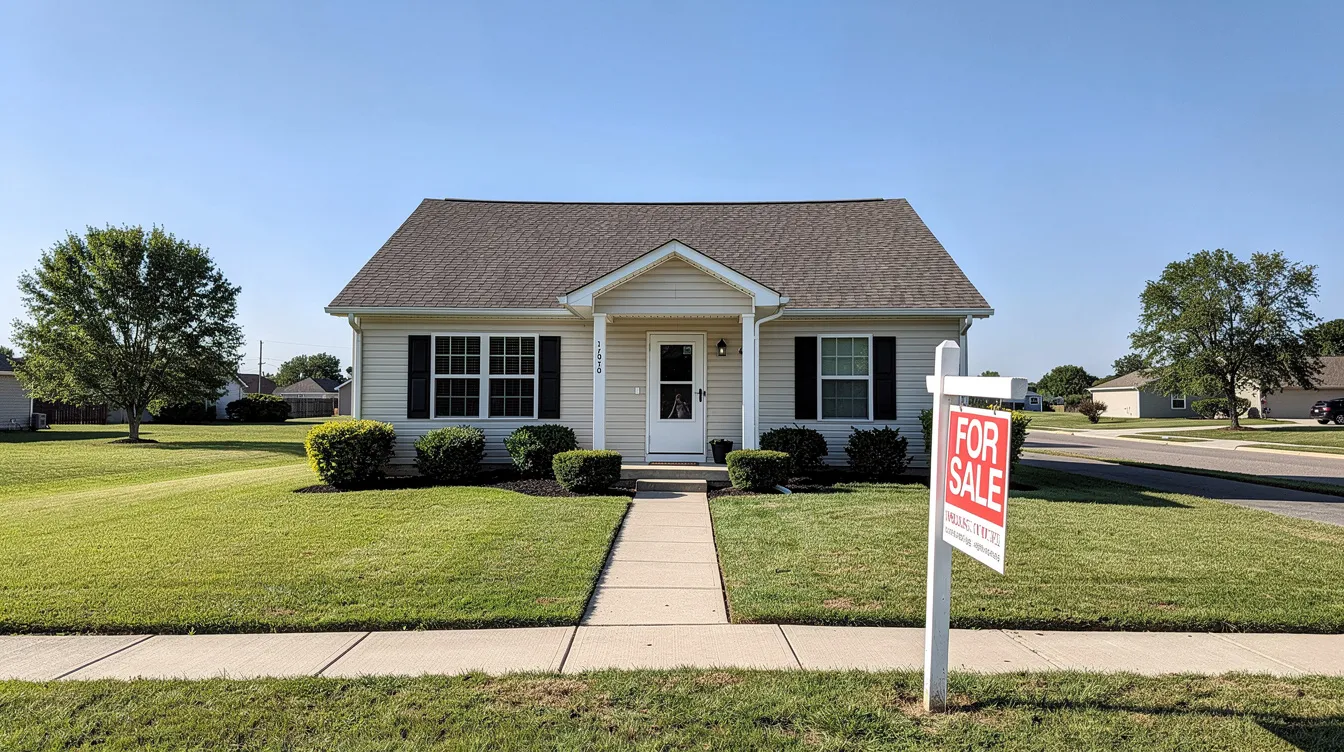
House flipping is a real estate investment strategy involving buying, renovating, and reselling properties quickly for profit. The flipping process sounds simple on paper: find a distressed or outdated property, make strategic renovations, and sell it at a higher price. In real life, though, the business of flipping houses looks nothing like what television shows portray. Where house flipping shows compress months of permitting delays, contractor disputes, and market anxiety into a 42-minute episode, the actual timeline for flipping houses typically runs four to six months from purchase to sale, and sometimes longer.
Let's define a few terms upfront. A fix and flip project means buying a property below its true value, rehabbing it, and selling it quickly - ideally before carrying costs eat your profit. The After Repair Value (ARV) is what the renovated house should sell for based on comparable home sales. A cash offer means purchasing without financing contingencies, which strengthens your position but demands more capital. Property flipping, flipping homes, house flips - they all describe the same core process.
Here's the market reality: median profits from house flipping were about $73,500 in 2024, according to ATTOM's year-end report. That sounds attractive, but profit margins have dipped under 30% from over 50% a decade ago. This complete guide is for first-time real estate investors buying their first house to flip, agents and contractors wanting to flip a house for themselves, and small funds looking to scale a flipping business.
At Gap Funded, we help investors fill the gap between what hard money lenders finance and the total project cost - covering down payments, rehab reserves, and closing costs without equity splits or liens on your deal property. This article walks through the actual flipping process from finding a good deal to getting funding, managing rehab, and exiting profitably.
Is House Flipping Still Profitable? Market Reality Check
The short answer: yes, but margins are tighter than they were five years ago. Rising interest rates and inflation-driven increases in materials and labor costs since 2022 have compressed what many flippers take home. Average profit per flip was around $30,000 in 2022, and while the median bounced back to the $65,000–$80,000 range in 2024, net returns after all costs often land between 10–20% of ARV.
Key profitability drivers right now:
- Holding periods average 4–6 months; every extra week erodes margins through carrying costs, property taxes, insurance, and loan interest
- Housing market competition from experienced local real estate flippers and, to a lesser extent, institutional buyers reduces the pool of profitable deals
- Market research and understanding local trends are essential - some metros like Austin posted losses on median flips in 2024, while others remained solidly profitable
- House flipping requires understanding renovation costs and market conditions before you commit capital
The difference between flipping one house as a side project and building a house flipping business that handles multiple projects per year is significant. Most beginners should plan for 1–2 flips in year one while they learn systems. Quitting your job after one deal is a recipe for financial stress.
Understanding the House Flipping Process from Start to Finish
A successful flip treats the process like a business rather than a home renovation project. Efficient project management reduces holding costs during house flipping, and every day a property remains unsold incurs additional carrying costs.
Here's the high-level process with approximate timelines for a typical 4–6 month flip:
- Define criteria - your target neighborhoods, price band, property type (1–2 weeks)
- Find a good deal - source on- and off-market leads (2–4 weeks, ongoing)
- Analyze numbers - run ARV comps, rehab estimates, all-in costs (1–3 days per deal)
- Line up financing and gap funding - hard money, private capital, Gap Funded (1–2 weeks)
- Close purchase - title, inspections, escrow (~30 days)
- Plan rehab - finalize scope of work, permits, materials orders (1–2 weeks)
- Manage contractors - execute renovation (6–12 weeks depending on scope)
- Inspect and punch list - final walkthrough, touch-ups (3–5 days)
- Stage and list - professional photos, marketing, showings (1–2 weeks)
- Sell and debrief - negotiate offers, close, review actuals vs. projections (2–8 weeks on market)
Core financial concepts you'll need throughout: ARV, acquisition cost (purchase price plus closing fees), rehab budget, carrying costs, selling costs, total project cost, and expected net profit.
Choosing Your Flipping Strategy and First House Criteria
Before you chase deals, define your strategy. Compare the two main approaches:
- Cosmetic flips (paint, flooring, fixtures, landscaping): lower risk, shorter timelines, smaller margins. Ideal for beginners.
- Heavy fix and flip projects (systems replacement, layout changes, additions): higher potential profit but greater risk of cost overruns and permit delays.
Buying properties below market value is crucial for house flipping success regardless of strategy. Set criteria that stack the odds in your favor:
- Target property prices 10–20% below your metro's median
- Focus on single family homes with 3–4 bedrooms and 2 bathrooms - these attract the widest buyer pool
- Look for neighborhoods with strong buyer demand, reasonable days-on-market, and available financing for buyers
- Avoid properties built before 1960 unless you have experience handling lead paint, asbestos, or knob-and-tube wiring
Establishing an exit strategy is important if the property does not sell quickly. Conservative investors make sure the numbers also work as a rental (BRRRR) - a viable Plan B if market conditions shift mid-project. Write a one-page "buy box" describing the exact type of property you will pursue, and stick to it.
Finding Deals: Where Profitable House Flips Actually Come From
Good deal inventory rarely looks like a fully renovated house. Instead, you're looking for outdated interiors, deferred maintenance, or seller distress that justify a discount from property value.
Sourcing channels that produce real deals:
- MLS with investor-friendly real estate agents: set auto-alerts, submit offers the day properties list, and target listings with price reductions or extended days-on-market
- Off-market and direct-to-seller: driving for dollars, targeted mail to absentee property owners or inherited properties, and networking with local wholesalers
- Foreclosures, auctions, and short sales: these often require cash offers, fast closings, and deeper due diligence - proper due diligence includes checking permits, property conditions, and code compliance before purchase
- Wholesalers: they assign contracts for a fee; vet their numbers independently and never rely solely on a wholesaler's ARV estimate
- Networking: attend local REIA meetings and connect with other investors who may pass on deals outside their buy box; learn from peers who have successfully used no-money-out-of-pocket flip funding structures to scale
Track every lead and offer in a simple spreadsheet or CRM. Over time, this data reveals which channels produce deals and what your offer-to-close ratio looks like, helping you save money on marketing spend.
Deal Analysis: How to Know If You Should Flip a House or Walk Away
The core goal of house flipping is to profit from the After Repair Value. Flippers often use the 70% rule to determine purchase prices: offer no more than 70% of ARV minus estimated repair costs.
Here's a worked example:
| Line Item | Amount |
|---|---|
| Estimated ARV | $400,000 |
| Max offer (70% rule) | $400,000 × 0.70 = $280,000 − $60,000 rehab = $220,000 |
| Rehab budget | $60,000 |
| Acquisition closing costs (~3%) | $6,600 |
| Carrying costs (5 months) | $15,000 |
| Selling costs (6% commission + closing) | $28,000 |
| Total project cost | $329,600 |
| Projected net profit | ~$70,400 |
The 70% rule suggests buying properties at 70% of ARV minus repairs, but in high-demand markets you may need to adjust to 75%. Just know that tighter margins leave less room for error.
Selling price should be competitive based on current market comparables to attract buyers quickly. Estimate ARV using recent comparable home sales - same subdivision, similar square footage (±10–15%), same bed/bath count, sold within the last 3–6 months.
Set a minimum profit threshold. On starter flips, aim for at least $30,000 net and/or 10–15% of ARV to account for surprises.

Financing a Fix and Flip: From Hard Money to Gap Funding
Flipping houses requires significant upfront capital for purchase and renovation costs, but most investors don't fund deals entirely from their bank account. In fact, 63% of house flips are purchased with cash - but "cash" often means a combination of personal savings, borrowed capital, and stacked gap funding tools in a capital stack.
Main Financing Options for Real Estate Investors
- Cash: fastest closings, strongest offers, but limited scale
- Hard money loan: property-based underwriting, fast funding (7–14 days), popular for fix and flip projects
- DSCR lenders: primarily for rental properties, less common for pure flips
- Private money lenders: friends, family, or high-net-worth individuals
- Bank or portfolio loans: slower approvals, typically require 25% down payment
- Gap funding providers like Gap Funded: unsecured term loans, 0% intro business credit cards, HELOCs, and business lines of credit to cover the shortfall
Hard money loans typically have interest rates around 15% (range of 9–15% depending on borrower experience and deal quality), plus 2–5 points at origination. Most hard money lenders cap financing at 65–75% of ARV, meaning you still need capital for the down payment, closing costs, rehab overruns, and reserves.
That shortfall is where gap funding comes in. At Gap Funded, investors apply with a soft credit pull, see their financing options without impact to their credit score, and access capital without giving up equity or placing liens on the flip property. Build a capital plan for each project that maps which dollars come from which source and when balances will be paid down from sale proceeds.
Financing Options Comparison Table
| Financing Option | Pros | Cons | Best For |
|---|---|---|---|
| Cash | No lender fees, fastest closings, strongest offers | Ties up all liquidity, limits multiple projects, high concentration risk | Earnest money deposits, small cosmetic flips, paired with HELOC for liquidity |
| Hard Money Loan | Fast closings, property-based underwriting, structured rehab draws | High interest rates, points, requires down payment and reserves | Acquisition and major rehab draws on fix and flip projects |
| Private Lenders | Flexible terms, relationship-based, negotiable rates | Relationship risk, requires formal documentation | Down payments, bridge capital, supplementing hard money shortfalls |
| Gap Capital | No equity splits, no liens, soft-pull prequalification, flexible use | Requires good credit, unsecured, may have higher rates than secured | Down payments, closing costs, rehab overages, holding cost reserves, multiple projects |
Funding Options in Detail: Cash, Hard Money, Private Lenders, and Gap Capital
Cash
- Pros: no lender fees, fastest closings, strongest offers in competitive markets
- Cons: ties up all liquidity in one deal, limits ability to run multiple projects, high concentration risk
- Best for: earnest money deposits and small cosmetic flips under $150,000, especially when paired with HELOC-based investment capital to preserve liquidity
Bank and credit union loans
- Bank loans for flipping often require a 25% down payment and strong credit, which can make earnest money deposit financing useful for securing contracts without tying up all your cash
- Slower approvals (30–45 days) and limited rehab financing make them less practical for fast-moving deals
- Best for: investors with established banking relationships and longer timelines
Hard money and DSCR loans
- Speed (often 7–14 days to close), property-based underwriting, structured rehab draws
- Many investors pay 10–12% interest plus 2–4 points; rates can reach 15% for less experienced borrowers
- Best for: acquisition and major rehab draws on fix and flip projects
Private lenders
- Private money can come from friends or family for house flips; structure with formal promissory notes and deeds of trust
- Rates and terms are negotiable but keep relationships professional with clear documentation
- Best for: down payments, bridge capital, or supplementing hard money shortfalls
Gap funding through Gap Funded
- Unsecured personal term loans ($30,000–$150,000+), stacked 0% intro business credit cards for materials and labor, HELOC assistance, and business lines of credit
- Credit scores typically 650+; verifiable income or equity in existing property
- No equity splits, no liens on the deal property, soft-pull prequalification
- Best for: down payments, closing costs, rehab overages, holding cost reserves, and running multiple projects simultaneously
Building Your House Flipping Team
You can't scale a flipping business alone. A reliable team can improve property value significantly and keep the flipping process on track.
Core team members for flipping homes:
- CPA: advises on entity structure (many start as a sole proprietorship, then move to an LLC), tax treatment, and applicable tax laws for flips vs. long-term holds
- Real estate attorney: reviews purchase contracts, contractor agreements, and title issues
- Investor-friendly real estate agent: sources deals, prices listings, and negotiates offers - real estate agents often earn 6% commission on sales, so factor this into every deal analysis
- General contractor: a general contractor manages the entire renovation process, coordinating subcontractors and timelines
- Key subcontractors: HVAC, electrician, plumber - licensed pros for permitted work
- Title and escrow company: clears liens, handles closings
- Insurance agent: covers builder's risk, liability, and vacancy policies
- Funding partners: lenders and gap funding providers like Gap Funded
Attend local REIA meetings and real estate meetups to find house flipping professionals. Vet each person with 2–3 references from other real estate flippers before giving them a major role on your projects.
Planning the Rehab: Scope, Design, and Budget Control
Budgeting for Rehab
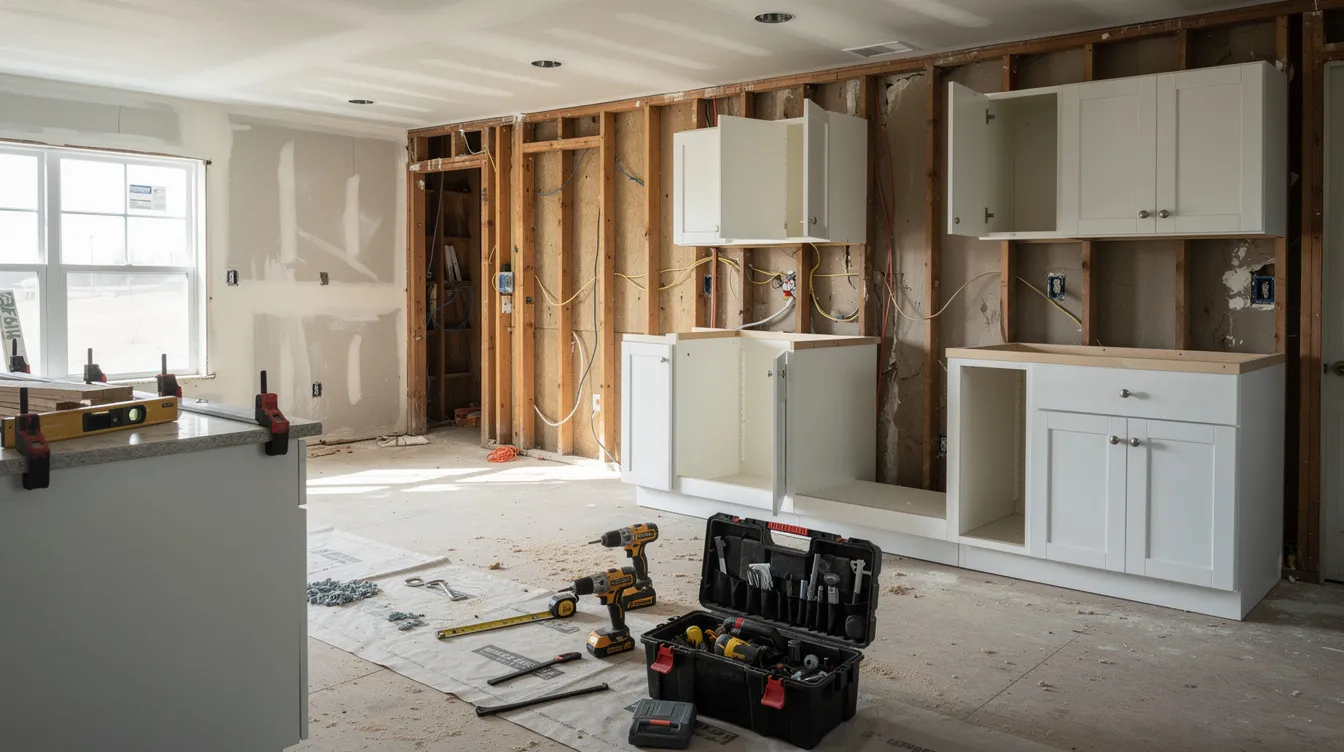
The rehab plan is where many flippers either protect or destroy their margins. Creating a detailed renovation budget should include a contingency fund of 15% to 20% for surprises like subfloor damage, code upgrades, or hidden leaks.
Write a detailed scope of work (SOW) with room-by-room task lists, materials specs, and quality standards. National averages for rehab costs per square foot in 2025–2026:
| Rehab Level | Cost per SF | Typical Timeline |
|---|---|---|
| Light / cosmetic | $15–$25 | 4–8 weeks |
| Medium | $25–$45 | 2–3 months |
| Heavy / full gut | $45–$75+ | 3–6 months |
High-ROI Renovations
Focus renovation costs on high-ROI areas. Buyers are often attracted by high-ROI upgrades like kitchens and bathrooms. Replacing kitchens and baths is often essential for selling houses at full ARV. New carpet or refinished hardwood floors are standard in flips and deliver strong returns relative to cost.
Quick example: A $50,000 medium rehab on a 1,500 SF single family house - new kitchen ($15,000), two updated bathrooms ($10,000), flooring throughout ($7,000), paint and lighting ($5,000), exterior/curb appeal ($5,000), mechanicals touch-up ($3,000), and 15% contingency ($5,000) - could raise the ARV by $80,000 or more in the right market.
Common Pitfalls
Common pitfalls in house flipping include underestimating rehab costs and over-improving properties. Spending $20,000 on luxury finishes in a modest neighborhood rarely returns that investment in added property value. Match your finishes to the price point.
Managing Contractors and the Flipping Timeline
Professional contractors can save time and costs on renovations when managed properly. Here's how to keep the flipping process on schedule:
Hiring Contractors
- Solicit 3+ bids using the same scope of work; prefer lump-sum bids with clear milestones over vague time-and-materials arrangements
- Use written contracts defining payment draws tied to completed work, change-order procedures, and target completion dates
Project Management Tips
- Conduct weekly walkthroughs with photo documentation; even a simple spreadsheet Gantt chart keeps everyone accountable
- DIY makes sense for small demo and painting if you have the time; hire licensed pros for roof, major electrical, structural work, and plumbing - both for safety and resale value
- Calculate a "daily burn rate" for your carrying costs so every delay feels tangible (e.g., $75/day in interest + taxes + insurance = $525/week)
Avoiding Delays
- Pay contractors promptly for completed work to build loyalty, but never pay far ahead of progress
- Many flippers underestimate how much mortgage payments, insurance, and utilities add up during a stalled project. Every extra week directly reduces your net profit.
Carrying Costs, Risk Management, and Exit Strategies
Holding costs can quickly reduce profits during house flipping. Define and track these costs from day one:
- Interest payments to hard money lender or gap funding source
- Property taxes (prorated monthly)
- Insurance (builder's risk or vacancy policy)
- Utilities, lawn/snow care, HOA dues
- Any bridge or gap funding payments
Example: On a $300,000 total project with a hard money loan at 12% and $40,000 in gap funding, your monthly carrying cost might be $3,000 in interest + $400 in taxes + $200 insurance + $150 utilities = roughly $3,750/month, or about $125/day.
Unexpected costs and market fluctuations are key risks in house flipping. Common threats include market softening mid-project, contractor issues, permit delays, appraisal shortfalls, and buyer financing falling through.
Exit options if the flip stalls:
- Convert to a rental and refinance (BRRRR) - properties with ADUs can generate $2,000 to $4,000 monthly in rent, adding a fallback income stream
- Sell to another investor at a reduced but still positive margin
- Reduce asking price strategically based on carrying cost math rather than emotion
Every project plan should include a written Plan B and Plan C. Maintaining liquidity reserves or pre-approved gap funding specifically for overruns protects you from forced decisions.
Selling the Finished Flip for Maximum Profit
Pricing drives everything. Use up-to-date comps - not wishful thinking - and set a price that attracts buyers within the first two weeks. Overpricing to "see what happens" typically increases days-on-market and carrying costs, costing you more money than a slightly lower list price would have.
Selling tactics that work:
- Staging a home can lead to faster sales and higher prices - particularly for vacant renovated house listings where buyers struggle to visualize layout
- Professional photography and 3D tours are non-negotiable in 2026; highlight new systems, warranties, and design features in your listing description
- Typical selling costs include 5–6% agent commission plus 1–3% in closing costs, plus any buyer credits or repairs after inspection
- Know your minimum acceptable net before negotiations begin; weigh small concessions against the cost of holding the property another 30 days
Track actual sale data - sale price, days on market, concessions - against your initial projections. This feedback loop is what separates part-time flippers from those building a real flipping business.

Scaling from One Flip to a House Flipping Business
The jump from one deal to a systemized business doing multiple house flips per year is where real wealth building happens. Median profits for house flipping were about $73,500 in 2024 - multiply that across 3–5 deals per year and the numbers become meaningful.
How to scale:
- Build repeatable systems: standardized scopes, finish packages, contractor onboarding checklists, and due diligence templates
- Use profits from early flips plus an improved credit profile and track record to access more favorable financing options and larger credit lines
- Delegate project management, bookkeeping, and acquisitions to free yourself for strategy, deal sourcing, and capital management
- Gap funding solutions - term loans, business credit card stacking, HELOCs, lines of credit - allow experienced investors to run multiple projects simultaneously without tying up all their cash in one deal
- Set specific yearly goals: flip 3 houses in year two, 6–8 in year three, tracking average profit per deal and average project duration
- Protect personal finances as the business grows through smart leverage, debt consolidation when needed, and separating business and personal accounts
Many investors start as a sole proprietorship and transition to an LLC once they're doing consistent volume. Consult your CPA on entity structure and applicable tax laws early.
How Gap Funded Helps Investors Close and Complete More Flips
Here's the typical funding gap: a hard money loan covers 75–90% of the purchase price and rehab draws, but the investor still needs $30,000–$150,000 for the down payment, closing costs, rehab overages, and reserves. Many flippers stall at this exact point - they have a good deal under contract but can't close because they're short on liquid capital.
Gap Funded solves this with:
- Unsecured personal term loans to cover down payments and closing costs
- Stacked 0% introductory business credit cards for materials and labor
- HELOC assistance to tap equity in existing rental properties or a primary residence
- Business lines of credit and working capital for new owners scaling their flipping business
No equity splits. No liens on the deal property. Soft-pull prequalification means checking your options doesn't impact your credit score.
Scenario 1: A first-time investor uses $60,000 in gap funding to cover the down payment and reserves on their first flip, pairing it with a hard money loan for the rest. They sell five months later, repay the gap funding from proceeds, and net $38,000.
Scenario 2: An experienced investor stacks $45,000 across three 0% intro business credit cards to fund rehab materials on three simultaneous projects, paying them off at closing with zero interest.
Treat funding as a core part of your flipping process. Line up capital with Gap Funded before you find a deal so you can write stronger, faster offers. Apply for funding for a personalized review today.
Conclusion: Turning Knowledge into Your First or Next Flip
The business of flipping houses rewards discipline, not speculation. Success comes from buying right, controlling rehab and carrying costs, and structuring the business like a real company - not a hobby. Market conditions in 2024–2026 reward patient, numbers-driven investors willing to do the work that many investors skip: running comps, building detailed budgets, and planning for setbacks.
Pick a target neighborhood this week. Refine your buy box. Talk to at least one investor-friendly agent and one contractor. And apply with Gap Funded to prepare your capital stack before you start making offers. Mastering one flip - one well-analyzed, well-managed, profitably sold flip - lays the foundation for a repeatable, scalable flipping business that can support long-term wealth building. The process starts with a single deal, but the money compounds when you build the business around it.
Related Reading
This article is for educational purposes only and isn't financial, legal, tax, or investment advice. Credit and financing outcomes depend on your own situation. Talk to a licensed financial professional before making funding decisions for your business.