
What Is a Gap Loan? Real Estate Gap Financing & Capital Stacks Explained

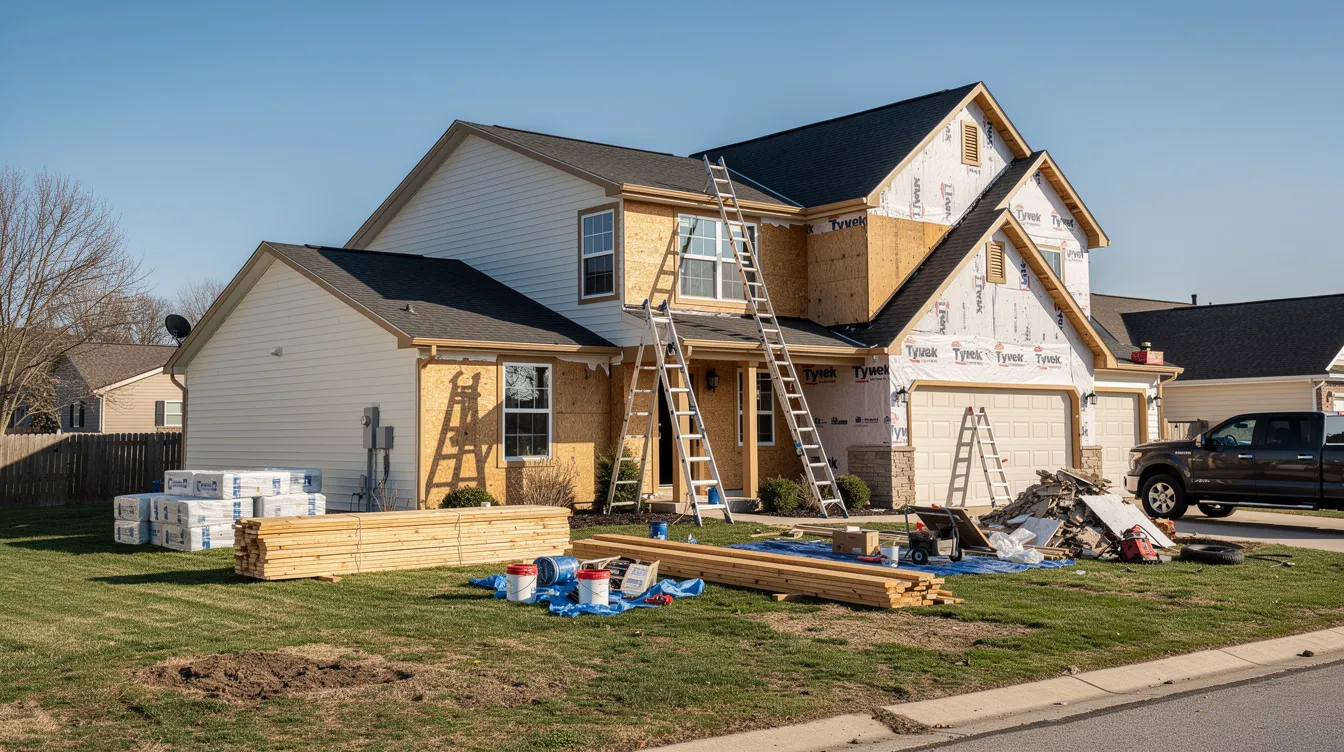
What Is a Gap Loan? Real Estate Gap Financing & Capital Stacks Explained
What Is a Gap Loan?
If you've ever run the numbers on a fix and flip or BRRRR deal and realized your primary lender won't cover everything you need to close, you've discovered the gap. That gap is exactly where a gap loan comes in, and how you fill it can make or break a deal.
This guide is for real estate investors and business owners seeking to understand gap loans and capital stacking. Understanding gap loans can help you secure funding for deals that would otherwise fall through.
This guide breaks down what gap financing actually is, how it compares to a bridge loan, and why capital stacking is replacing the old-school method of chasing private gap lenders on Facebook.
What Is a Gap Loan?
A gap loan is a short-term financing option to cover financial shortfalls. A gap loan is a short-term financing option designed to cover financial shortfalls between what a primary lender will fund and the total cost of closing and completing a real estate deal. Hard money lenders typically finance 65–75% of a project's value, which means the remaining 25–35% of the purchase price, plus closing costs, renovation costs, interest reserves, and carrying costs, must come from somewhere else. That somewhere else is gap funding.
Gap loans are typically used in real estate transactions and commercial funding, though gap financing in real estate can also assist businesses in bridging funding gaps between major transactions. Gap loans can provide immediate liquidity for cash flow needs in real estate or business, and they usually last from a few weeks to a few months. Common uses include financing a new property purchase before selling a current home, covering a down payment shortfall, or funding the early stages of a rehab before draw schedules kick in.
Here's a concrete example. Say you find a fix and flip in 2025 with a $300,000 purchase price. Your hard money lender funds 75%, or $225,000. You still need roughly $75,000 for the down payment, $7,500 for closing costs, and another $18,000 for holding costs and initial rehab draws. That's a gap of about $100,000. Gap funding covers the difference between the primary loan and the total project cost, filling exactly that shortfall.
Gap Funded specializes in non-dilutive gap funding for real estate investors and business owners, using a proprietary capital stack of unsecured term loans, 0% business credit cards, and HELOCs rather than relying on a random individual you found in a Facebook group to go second position on your deal.
Gap Loan vs. Bridge Loan: What's the Difference?
Many investors use "gap loan" and "bridge loan" interchangeably, but they fill different roles in the capital stack.
A bridge loan is a larger short term loan used to acquire or refinance a property, often covering 70–80% LTV as the primary or first-lien loan. Bridge loans are short-term loans for real estate transactions that typically last six to twelve months. They help finance new property purchases before selling existing ones and can fund amounts from tens of thousands to over $1 million. Bridge loans can be secured by the property being purchased, the current home, or other assets. Bridge loans typically carry interest rates from 8% to 15%.
A gap loan, by contrast, covers specific short-term cash shortfalls. It's smaller, often representing 5–25% of total project costs, and gap loans usually have interest rates between 6% and 12%. Gap loans generally have lower interest rates than bridge loans because the amounts are smaller, though the risk profile is different. While bridge loans finance larger interim purchases or refinances in first lien position, gap loans typically sit in second lien position or remain unsecured.
The key difference: bridge loans are your primary financing. Gap loans fill what's left over after the primary loan and your own equity still aren't enough.
At Gap Funded, the gap is filled by stacking unsecured term loans, 0% business credit cards, and HELOCs around a hard money or DSCR first mortgage, avoiding the second-lien conflicts that most lenders prohibit.
How Gap Loans Work in Real Estate Deals
Capital Stack Overview
Gap loans are part of a capital stack, meaning multiple funding sources layered together to cover 100% of a project's total cost. The primary loan (hard money or DSCR) handles the bulk of the purchase and rehab draws. The borrower fills the remaining gap through a combination of personal funds, gap loans, credit lines, and cash reserves.
Repayment Structures
Gap loans may include flexible repayment structures such as interest-only payments during the hold period, with the outstanding balance due at exit. The repayment of gap loans often aligns with expected future financial events, meaning borrowers repay gap loans when their primary funding source materializes, whether that's a home sale, refinance into permanent financing, or business revenue event.
Use Cases
Gap loans can finance both property acquisition and renovation costs, and in the context of business, gap loans can cover shortfalls for project funding as well. Typical terms run 6–18 months, with higher interest rates than a traditional mortgage and additional fees like origination points and document fees.
Mini scenario: An investor acquires a distressed duplex for $400,000 in 2026. The bridge loan covers 80% of the purchase, but the investor needs gap funding for the $80,000 down payment, $10,000 in closing costs, and $20,000 in holding costs during rehab and lease-up. Using a capital stack of an unsecured term loan and a HELOC, the investor covers the gap and exits via a DSCR refinance once rental income stabilizes.
Types of Gap Funding for Real Estate Investors
There are multiple ways to structure gap financing, not just a classic second-lien note from a private gap lender. Here are the most common types:
- Private second-position loans. A gap lender typically takes a secondary position behind the primary lender. Second lien positions increase risk for gap lenders during foreclosure, which is why these loans carry higher rates and stricter terms. Gap loans often require asset-backed collateral for securing the loan in this structure.
- Unsecured personal or business term loans. No lien on the deal property. Relies on borrower credit strength and income documentation. Faster to close and avoids conflicts with the primary lender.
- 0% business credit card stacking. Multiple business credit cards with 0% intro APR periods (commonly 12–21 months) used to float rehab draws, holding costs, or reserves.
- HELOCs on an existing home or investment properties. Uses equity in property you already own, keeping the deal property lien-free and can leverage HELOC loans for real estate investors as part of your overall funding strategy.
- Business lines of credit or working capital loans. Useful for investors with established business revenue and documented cash flow.
Gap Funded focuses on capital stacking, combining unsecured term loans, 0% cards, HELOCs, and working capital, to serve as flexible gap funding without placing a second lien on the deal property, which avoids many of the strict private gap funding requirements that slow or block traditional second-position loans.
Traditional Private Gap Loans vs. Capital Stacking with Gap Funded
Real estate investors facing a funding gap have two paths: find a private individual willing to go second position, or use a structured capital stack that doesn't conflict with the primary lender.
The traditional approach means finding a private gap lender, often through Facebook groups, local meetups, or word-of-mouth, who takes a second lien on the property. These arrangements come with higher rates, heavy points, and sometimes profit participation or equity splits. Worse, they're slow and unreliable. The individual doing the gap loan could have their financial situation change three days before closing and pull out entirely, killing your deal. And most serious hard money lenders and DSCR lenders won't allow a second lien gap loan on their primary loan, period.
Gap Funded's capital stacking approach solves these problems. Rapid gap funding uses unsecured term loans, stacked 0% business credit cards, and HELOCs for investment use, so no second lien is recorded on the project property. Gap loans may have streamlined approval processes compared to traditional financing, allowing investors to move quickly. Gap funding can help secure properties quickly in competitive real estate markets, and using gap loans can allow for competitive, non-contingent offers on real estate transactions. These loans help prevent lost opportunities by allowing investors fast access to funds for their next purchase.

The bottom line: capital stacking is faster, more reliable, and compatible with the lenders you actually want to work with.
When Does a Gap Loan Make Sense for Real Estate Investors?
Not every deal needs gap financing. Here's when it makes the most sense:
- Fix and flip with strong ARV but short on the down payment. Investors often use gap loans to quickly acquire investment properties when the deal math works but liquidity is tight.
- BRRRR deals where rehab and holding costs exceed the primary loan. Gap funding bridges the shortfall until refinance.
- Managing multiple projects simultaneously. Preserving cash reserves across deals keeps you liquid without tapping personal savings dry.
- New real estate entrepreneurs or business owners who haven't yet hit the 2-year, $20k/month revenue threshold for traditional financing and need interim financing to get started.
Gap loans allow investors to secure properties in competitive markets where speed and certainty of close matter more than saving a fraction of a percent on interest. Gap Funded is designed for borrowers with credit scores of roughly 650 or above, documented income or business revenue, and either personal credit capacity or equity in a home or investment property.
Before using gap financing, consider your exit strategy, total project budget, and loan term. If you can't clearly define how and when you'll sell or refinance, gap funding may not be the right move.
Costs of Gap Loans: Interest Rates, Fees, and Risk
Interest Rates
Gap financing is more expensive than traditional financing, and investors must understand the full cost structure before committing.
Interest rates for gap loans are typically higher than traditional loans due to increased risk. Gap funding often involves higher interest rates than a traditional mortgage, and additional fees may apply for gap funding, reducing profit margins.
Fees
Common cost components include origination points, underwriting fees, document fees, and in some private arrangements, profit-sharing or equity kickers.
Extension Risks
Rolling extension fees can turn short-term loans into long-term debt if your exit timeline slips. If a credit card's 0% intro period expires mid-deal or a refinance is delayed, the cost of capital can balloon quickly.
Capital Stacking Advantages
Capital stacking with Gap Funded distributes risk across multiple products: term loans with fixed, known costs; 0% credit cards for short-term floats; and HELOCs for equity deployment. This avoids the worst features of traditional gap loans, including second-lien restrictions, equity splits, and the unpredictability of a single private lender. Actual interest rates and fees depend on your credit profile, deal risk, and chosen products.
Gap Loans in Practice: Examples for Fix & Flip, BRRRR, and Short-Term Rentals
The best way to understand gap financing is to see it inside real-world investor strategies. Gap funding covers the difference between primary loan amounts and total costs in each of these scenarios.
Fix & Flip. A hard money lender funds 65–75% of the purchase and 100% of rehab draws. The investor needs $60,000 for the down payment, closing costs, and reserves. Instead of chasing a private second lien, the capital stack uses a personal term loan ($40,000) plus 0% business credit card stacking ($20,000). On sale four to six months later, loan proceeds pay off the hard money first, then the gap layers. No equity split, no second lien, no risk of a gap lender backing out days before closing.
BRRRR Rental. An investor buys a distressed duplex using a bridge loan for acquisition and rehab. A HELOC plus a working capital credit line serves as gap funding to cover rehab draws and holding costs until the property is stabilized, rented, and ready for a DSCR refinance into permanent financing.
Short-Term Rental / Airbnb. An investor needs money for furniture, design, permits, and initial marketing that the primary lender won't finance. Gap funding through unsecured term loans and business credit fills this short-term gap until the property stabilizes and generates rental income.

In each case, capital stacking through Gap Funded's services eliminates the risk of a private gap lender pulling out and keeps the primary lender comfortable.
How to Qualify for Gap Financing and Work with Gap Funded
Qualification depends on two dimensions: the borrower's profile and the strength of the underlying deal.
On the borrower side, lenders require a minimum credit score (typically 650+), stable income or business revenue, manageable existing debt, and standard identity and income documentation. For real estate investors, the deal also matters: realistic ARV supported by comps, a verified rehab budget, a clear exit strategy, and alignment with what the primary lender is willing to fund.
Gap Funded's process is straightforward: submit a quick online application, receive a soft credit pull with no impact to your credit score, complete a funding review call, and receive a capital stack tailored to your project and buyer profile. Execution can happen in as little as 24–72 hours for certain products.
If you're writing offers or bidding on investment properties, apply for a capital stack review before you go under contract so you know exactly how much gap financing you can bring to the table.
Alternatives to Traditional Gap Loans (and When Not to Use Them)
Some investors may prefer to avoid formal gap loans if the deal math is too tight or risk too high. Common alternatives include:
- Adjusting the purchase price or negotiating seller carry to reduce the gap
- Partnering with an equity investor (though this means profit splits and dilution)
- Using a home equity loan or HELOC on an old home or existing home directly
- Delaying the project until liquidity or credit capacity improves
Be cautious with riskier informal options: unpapered loans from friends and family, last-minute private lenders from social media groups, or "silent" second liens that violate primary lender agreements. These create legal and financial exposure that can cost far more than the money they provide.
Gap Funded's model is designed as a structured, transparent alternative to those risky private arrangements, offering real estate investors speed, flexibility, and compliance with primary lender requirements. For situations where you primarily need to lock up a contract, earnest money deposit financing for real estate investors can solve the short-term cash crunch without overleveraging the entire deal, and you can deepen your understanding of these strategies through video guides on funding strategies and market analysis. But if the total cost of interest, fees, and gap funding pushes a project's profit margin below a safe threshold, the smarter move is to pass on the deal rather than forcing it with debt. Not every project deserves capital, and knowing when to walk away is its own form of investments discipline.
Frequently Asked Questions (FAQ)
How does a gap loan work?
A gap loan provides short-term interim financing to cover the difference between the primary loan proceeds and the total necessary funds to close and complete a real estate deal. It typically fills the gap for down payment, closing costs, renovation costs, or carrying costs while waiting for permanent financing or a home sale. Gap loans often come with higher rates and interest-only payments, and repayment is usually aligned with the sale of the property or refinance.
How long does it take to get a gap loan?
The approval and funding process for gap loans is generally faster than traditional financing, often taking a few days to a couple of weeks. Gap Funded's capital stacking approach enables rapid gap funding with soft credit pulls and streamlined reviews, allowing investors to secure necessary funds quickly to cover unexpected expenses or cover costs in real estate transactions.
How do you pay back a bridge loan?
Bridge loans are typically repaid through the proceeds from the sale of the existing home, permanent financing secured on the new property, or other assets. The loan term usually lasts six to twelve months, and repayment can be interest-only with principal due at sale or refinance. Lenders require a clear exit strategy to ensure timely repayment.
Is a gap loan the same as a bridge loan?
While often used interchangeably, gap loans and bridge loans differ in scope and purpose. Gap loans are smaller, short-term loans used to cover specific cash shortfalls within a capital stack, often unsecured or second-lien. Bridge loans are larger, secured loans used to finance the purchase or refinance of a new property before selling an existing one, typically with longer terms and first lien positions. Gap Funded's proprietary capital stacking solution combines unsecured term loans, credit lines, and HELOCs to fill the gap without conflicting with primary lenders, unlike traditional second-lien bridge loans.
Related Reading
This article is for educational purposes only and isn't financial, legal, tax, or investment advice. Credit and financing outcomes depend on your own situation. Talk to a licensed financial professional before making funding decisions for your business.