
Renovating Old House: Practical Guide, Costs, and Funding Options for Modern Living

Introduction: What Renovating an Old House Really Takes
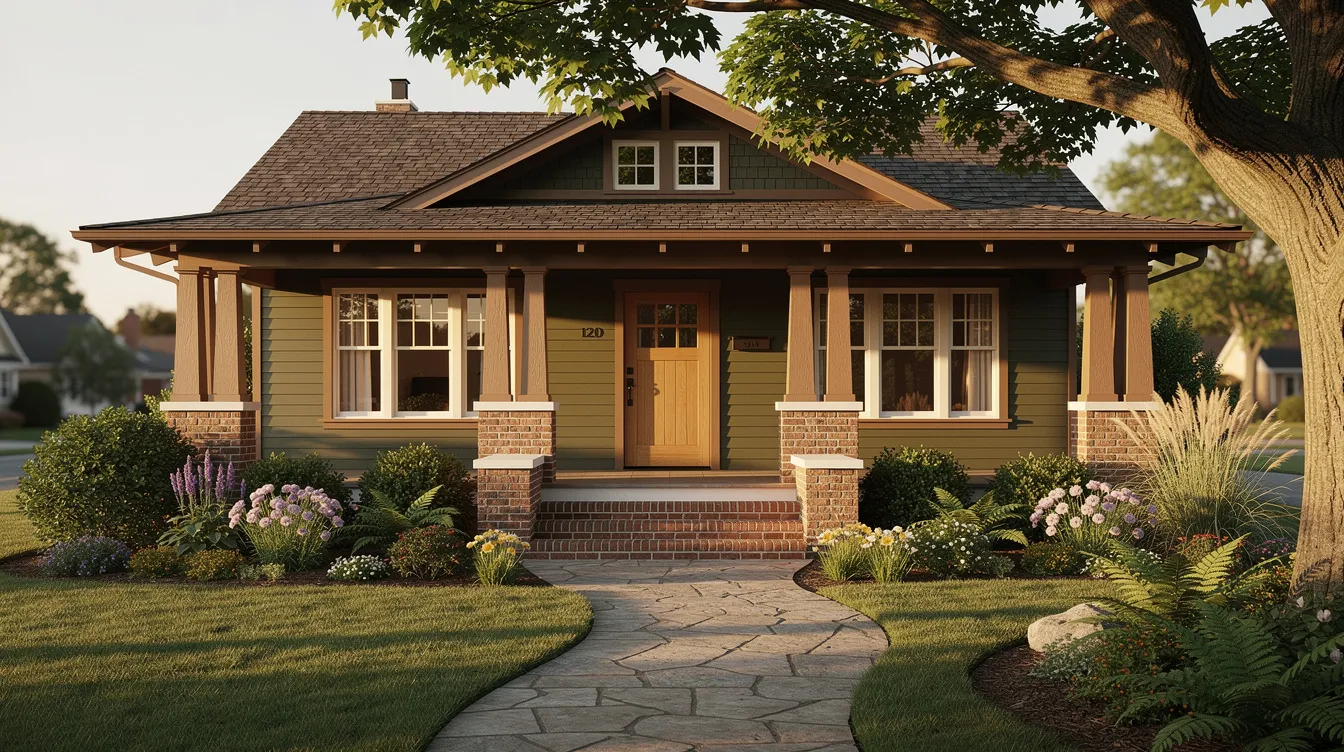
Most people who buy an old house fall in love with what they can see: the hardwood floors, the tall ceilings, the 1920s bungalow charm or the handbuilt Craftsman details you simply cannot get from a new build. Older homes often have craftsmanship hard to recreate with today's materials and labour costs. Renovating lets homeowners update an existing home while preserving its timeless architectural character.
But here's the truth nobody puts on the Instagram reel. Behind that character is usually old wiring, sagging floors, outdated plumbing, and possibly lead paint or asbestos, and those early surprises usually reflect the home's condition. Renovating an old home blends preserving historic character with modernizing infrastructure, and the gap between "cosmetic refresh" and "full old house renovation" is where budgets blow up and timelines double.
This guide is written from Gap Funded's perspective. We help investors and homeowners solve the funding gap: down payment, rehab costs, working capital, and everything in between. I'll walk you through practical house renovation steps, concrete home renovation ideas, real cost ranges, and how to fund the whole thing without running out of money halfway through demolition.
Is It Worth Renovating an Old Home in 2026?
Short answer: yes, if you plan it properly. According to Redfin, about 43% of homeowners renovated in the past year, and another 33% plan to soon. Houzz's 2026 data shows a median spend of $20,000 with the 90th percentile pushing $150,000.
Modern homeowners are choosing renovation over rebuilding to preserve neighbourhood character, skip demolition red tape, and benefit from established communities with mature trees. Restoring 1910 stained glass, refinishing 1940s plaster walls, or keeping a 1950s brick fireplace intact costs more upfront but retains authenticity that buyers and renters pay a premium for. Original materials in historic homes are often more durable than modern replacements.
Financially, a well planned old home renovation can increase ARV significantly, support a BRRRR strategy, or improve cash flow for short term rentals. Emotionally, many families are preserving a property in a designated historic places district, or simply keeping a home with good bones alive for another few decades while bringing new life back to it. Older homes often reveal hidden issues during renovations, but that's a reason to plan better, not to walk away.
Understanding Your Old House: Age, Style, and Home's History
Before you swing a hammer, understand what you're working with. Researching your home's history can guide renovation decisions and save you from destroying something irreplaceable.
- Pre 1920: Likely balloon framing, double hung wood windows, ornate trim. Victorian homes (1860 to 1910) bring asymmetry and steep roofs.
- 1905 to 1930 (Craftsman / Foursquare): Natural materials, wide baseboards, built ins, boxy layouts. Research the architectural style of a home to ensure appropriate repairs.
- 1946 to 1965 (Mid Century): Simpler lines, plywood, early plastics, lower ceilings.
Research via city permit archives, historical societies, former MLS listings, and long time neighbours. Document the original features of a home to inform restoration efforts. A historic home is defined as one on the National Registry, which triggers different rules than a house that's simply "old." Knowing the home's history influences which finishes to restore, which walls were original, and what can be modernised without destroying the home's unique character.
Legal Basics: Historic Designation, Zoning, and Building Permits
Legal constraints come early in planning and sit right alongside budgeting and design. Renovating historic homes often requires adherence to local laws, and ignoring this creates expensive problems.
If the property sits in a local historic district or on a state or national register, exterior changes (windows, porch columns, siding) typically need design review board approval. Check local preservation guidelines before starting renovations on historic properties. This approval process can add 10% to 30% to material costs and weeks to your timeline. State governments and local councils vary widely in how strict they are.
Building permits are required for moving or removing walls, new windows, roofing, electrical rewire, new plumbing, HVAC relocation, and structural repairs. Understanding local permit requirements is crucial before starting renovations. Example: a 1925 house in a historic neighbourhood needing new front windows may require historic commission sign off on muntin style and material.
Skipping permits risks fines, stop work orders, forced tear outs, and challenges selling or getting insurance claims paid. Consulting local experts is crucial for historic renovations. Get your zoning and permit checks done before ordering materials or closing on an investment property.
Pre Renovation Inspection: Finding the Real Problems
Conduct a detailed home inspection before renovations. Assess the structural integrity of an old home before renovation begins. Hire a licensed inspector or structural engineer, ideally before closing.
- Foundation: Cracks, moisture intrusion, settling, lime mortar condition. Properly managing water issues is critical before making cosmetic renovations.
- Roof: Age, leaks, missing flashing, structural sag, sheathing.
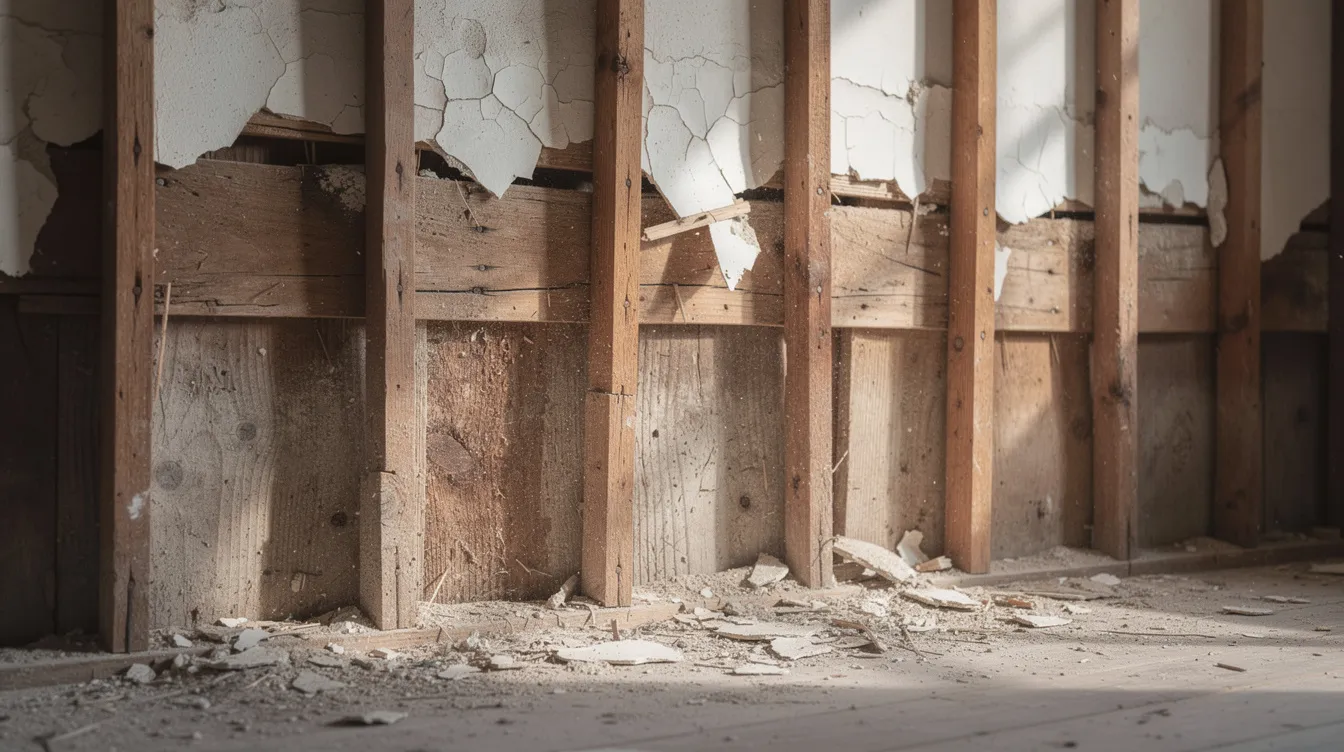
- Framing: Rot, termite or water damage, undersized joists, balloon framing quirks. Many older homes have had past DIY alterations hiding structural problems.
- Windows and doors: Functional? Single pane? Leaking? Repairable?
- Electrical wiring: 60A vs 200A service, knob and tube or old cloth insulated wires. Old wiring is a fire risk.
- Plumbing: Cast iron or galvanised piping, lead solder joints, water pressure.
- HVAC systems: Age, duct layout, fuel type, efficiency.
- Hazardous materials: Lead paint (pre 1978 homes), asbestos in tiles, pipe insulation, textured ceilings.
Historic homes often utilise breathable materials that trap moisture if sealed incorrectly. Prioritize safety and structural integrity in renovation projects. Address the critical structural elements of a home before cosmetic updates. Create a written summary separating safety issues, structural issues, and cosmetic upgrades.
Planning and Budgeting Your Old House Renovation
A phased approach to renovation keeps costs in check and prevents mistakes. Start with a room by room and system by system scope of work.
Separate your budget into "must do" (foundation, roof, electrical safety, structural repairs) and "want to do" (luxury finishes, layout changes, energy efficient appliances). Typical 2025 to 2026 cost brackets:
- Full electrical rewire: $10,000 to $30,000 depending on size and access (HomeGuide)
- Midrange kitchen remodel: $15,000 to $50,000
- Window replacement: $8,000 to $25,000 for a single family home
- Full house paint and trim restoration: $5,000 to $15,000
Budget 10% to 20% of total costs for unexpected repairs. On pre 1940 houses, I'd push that to 20% to 30%. Expect renovation costs to exceed initial estimates by 10 to 20%. Develop a renovation budget that includes a contingency for unexpected issues. The 30% rule suggests renovation costs should not exceed 30% of the existing home's value, though character rich properties in strong markets can justify more. Consult local experts to avoid costly renovation mistakes.
Cash flow timing matters: deposits to contractors, progress draws, materials ordered upfront. This is where the funding gap bites hardest.
Key Old Home Renovation Ideas for Safe, Efficient Modern Living
This section is about practical home renovation ideas that blend historic charm with modern living and energy efficiency.
Structural and safety first: Reinforcing sagging floors with sistered joists, adding beams where walls come down, replacing unsafe stairs, and bringing railings to current code.
Modern system upgrades: Upgrading electrical systems enhances safety and performance. Go to 200 amp service to handle EV chargers and induction ranges. Modernising plumbing systems improves efficiency and resolves health issues (goodbye galvanised pipes), and kitchen updates are a good time to replace dated plumbing fixtures for better function. Upgrading HVAC systems increases comfort and energy efficiency. Plan for new systems in non historic areas to minimise impact on original features. Modernising mechanical systems should be done with care for historic integrity.
Energy efficiency: Improving insulation reduces heat loss and lowers utility bills. Blown in or spray foam in attics and crawl spaces. Old windows can often be repaired and improved with storm windows rather than full replacement. When replacement is needed, choose energy efficient windows styled to match the home's original mullion pattern.
Layout and technology: Open kitchen walls partially with arches to preserve the original character while creating better flow. Add a powder room, laundry room, or mudroom where space allows. Integrating smart home technology enhances functionality in older homes: smart thermostats, whole home WiFi, security cameras, and battery backup.
Designing for Character: Old Home Renovation Ideas That Preserve Charm
Design should honour the home's history while still feeling fresh, functional, and suited to how people live today. Character defining features should be prioritised in renovations.
Identify original features to preserve during renovations: hardwood floors, built in cabinets, wainscoting, picture rails, crown molding, and classic doors. Preserving original features maintains a home's unique character. Repairing original features is often preferable to replacing them. Preservation guidelines emphasise retaining and repairing historic materials whenever possible.
Specific examples: refinishing 1920s oak flooring, repairing a 1905 staircase newel post, reusing original glass knobs and brass hardware after cleaning and lacquering. Restoring craftsmanship is essential during old home renovations.
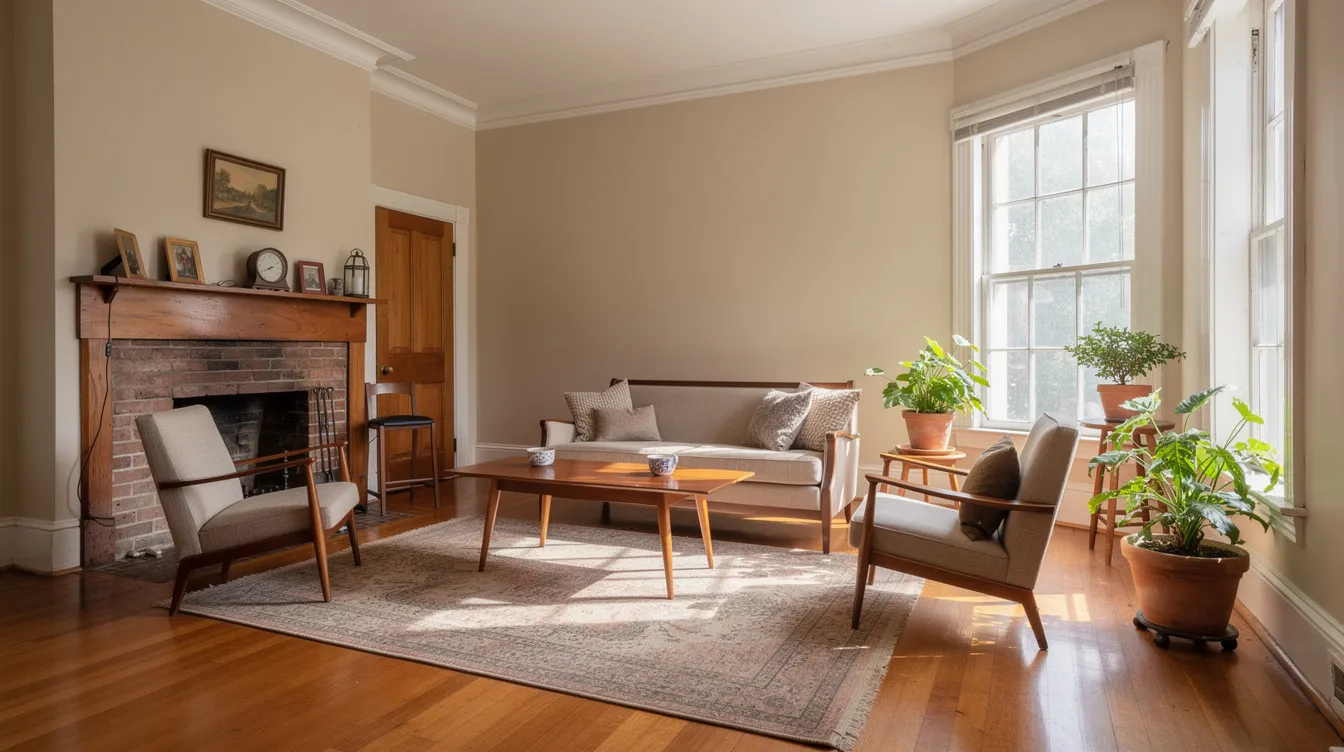
Use historically sympathetic materials: subway tile for early 20th century homes, soapstone or marble counters, period inspired light fixtures with modern LED technology. Balance old and new: a restored brick fireplace paired with a sleek media cabinet, or a claw foot tub alongside a modern walk in shower.
Maintain the original floor plan to preserve a home's character. Avoid over restoring by making changes that could create a false sense of history. Finishing touches like paint colours from historic palettes and historically accurate trim profiles can make a huge impact without structural changes.
Financing an Old House Renovation: Where the Funding Gap Appears
Even experienced investors rarely have every dollar covered by their primary lender. The biggest challenge is the gap between what the bank or hard money lender funds and what the complete project actually costs.
Here's a concrete example: buying a $220,000 1940s duplex with a projected $120,000 renovation. Your lender funds 80% of purchase and part of rehab, leaving a $40,000 to $60,000 gap covering down payment, closing costs, earnest money, rehab draws before reimbursement, and working capital during construction.
New investors, BRRRR strategy users, and homeowners rehabbing a primary residence often underestimate soft costs (permits, design fees, temporary housing) and contingency. Budget for unexpected repairs when renovating historic homes. Existing high interest debts can limit borrowing power, making it crucial to structure financing strategically.
Gap Funded specialises in filling these gaps without equity splits or placing liens on the deal property.
How Gap Funded Helps Close Your Renovation Funding Gap
Here's where the tools come in, and the order matters. Applying out of sequence can knock out later approvals.
- 0% Credit Card Stacking: First line tool for materials, smaller trade bills, and finishing touches. Introductory 0% APR periods give you breathing room on rehab spend.
- Unsecured personal term loans: Next step up for covering down payment, closing costs, and part of the rehab when you need predictable fixed payments. Deployed in 24 to 72 hours, amounts from roughly $20,000 to $120,000.
- HELOC on investment property or primary residence: Flexible option for ongoing rehab draws and contingencies where you have existing equity.
Our gap funding solutions complement hard money or DSCR loans without equity splits or liens on the subject property. Typical qualifications: FICO scores around 650+ (often 680+ for larger credit lines), verifiable income or business revenue, and manageable existing debt. No equity partners taking a cut of your upside.
Choosing and Sequencing the Right Funding Tools for Your Project
How you layer funding tools affects cost, flexibility, and your ability to scale beyond a single old home renovation.
Fix and flip on a 1930s home: Use 0% credit card stacking for materials and smaller trades, a term loan for the down payment, and a HELOC or line of credit as backup for cost overruns or change orders.
Owner occupied historic home renovation: Start with a HELOC or cash out option for major structural work (foundation, roof, electrical), then use 0% cards for appliances, furniture, and finishing touches after the big ticket items are done.
Where debt consolidation fits: consolidating existing high interest personal or card debt into a lower rate structure frees up monthly cash flow before the project starts. This keeps your debt service coverage healthy for subsequent tools.
Hard money lenders, DSCR loans, and local bank renovation loans are excellent for acquisition and primary rehab, but they often leave a 10% to 30% shortfall. That's precisely the space we fill. A soft pull funding review shows you the tailored mix without impacting your credit.
Building Your Team and Managing the Renovation Process
Older homes demand the right team: contractors who understand plaster, balloon framing, and historic details. Hiring qualified contractors with experience in historic renovations is essential. Work with a team experienced in historic home renovations.
Vet general contractors by asking for references on projects involving homes built before 1950. Verify licensing and insurance. Review before and after photos. Create a detailed contract with clear scope, materials, and payment schedules, including how change orders get handled when hidden issues surface during demolition.
Realistic timelines: a full scale old house renovation with structural changes and system upgrades can take 6 to 12+ months. Targeted kitchen or bath updates may run 4 to 8 weeks. Factor in lead times for specialty materials and historic commission reviews. Track budget vs actual spend closely, especially when using stacked funding tools with different billing cycles.
Common Mistakes to Avoid and Final Thoughts
Careful planning, legal compliance, and solid funding are the backbone of a successful old home renovation. Here are the key things that trip people up:
- Underestimating structural problems. Many projects start with cosmetic goals and end up investing heavily in foundation or framing mid project.
- Ignoring building permits. The cost of compliance is always less than the cost of rework, fines, or an unsellable property.
- Spending on finishes before core systems. Designer lighting is pointless if the electrical wiring behind it is a fire hazard.
- Stripping all character. Replacing every original detail with stock materials erodes the soul of the house and often reduces value. Preserve what makes the space special care about the story.
- Starting without a complete financing plan. Budget the full scope plus contingency, not just what the primary lender covers.
Proper funding lets you make decisions based on what's best for the property, not just what's cheapest that week. Whether this is your first fixer or your tenth, old home renovation is a repeatable strategy when you've got the right capital partner behind you.
I reckon the best time to figure out your funding is before you need it desperately. Take five minutes, run through a quick, no obligation application, and see what tools you qualify for. No liens on your deal property, no equity splits, soft credit pull.
Related Reading
This article is for educational purposes only and isn't financial, legal, tax, or investment advice. Credit and financing outcomes depend on your own situation. Talk to a licensed financial professional before making funding decisions for your business.