
Real Estate Flipper: A Practical Beginner's Guide to Flipping Houses Profitably


Most people hear "house flipping" and picture someone buying a wreck with a suitcase of cash, slapping on some paint, and walking away with six figures. The reality is messier, slower, and more interesting than that. This beginner's guide covers how the flipping process actually works, where the money comes from, what kills your profit, and how to close deals when you don't have every dollar sitting in your bank account.
What Is a Real Estate Flipper?
A real estate flipper is an investor who buys undervalued properties, renovates them, and sells for profit. The whole cycle typically runs 4 to 14 months, depending on scope. That's the short version.
The longer version: flipping houses is not the same as buy and hold investing or BRRRR (Buy, Rehab, Rent, Refinance, Repeat).
- Flipping targets a quick resale. You buy, fix, sell, and move on. Your profit comes from the spread between your all in cost and the sale price.
- Rental or BRRRR strategies focus on long term cash flow and equity. You hold the property, collect rent, and build wealth over years.
Profit on a flip comes from three places: buying at a discount (foreclosures, distressed sales, probate), increasing market value through strategic renovations, and sometimes catching a tailwind from local appreciation. Median profits from house flipping were about $73,500 in 2024, and investors can profit between $30,000 to $100,000 per flip within three to six months depending on the deal.
Here's the thing most beginner's guide articles skip: 63% of house flips are purchased with a cash offer. That leaves a solid 37% of flippers who piece together financing from multiple sources. Many real estate investors stack a primary loan with gap funding to cover shortfalls like down payments, rehab draws, and carrying costs.
How House Flipping Works: Step by Step Flipping Process
The full process runs like this: deal sourcing, due diligence, financing, closing, renovation, marketing, sale. Simple to list. Harder to execute.
Flipping a house typically takes four to six months for a cosmetic flip (paint, floors, fixtures, curb appeal). Larger value add projects with structural or systems work can stretch to 8 to 14 months. Nationally, flipped homes averaged 161 days from purchase to resale in Q2 2026.
Speed matters because holding costs eat your margin every single month. Those include mortgage payments, property taxes, insurance, and utilities. A two month delay on a property with $2,500 per month in carrying costs wipes $5,000 off your profit. That's money you'll never get back from the buyer.
If this is your first flip, treat it like a small business. Write a plan. Set a budget with line items for materials, labour, permits, and contingency. Build a schedule with milestones. Track everything. The flippers who wing it are the ones who end up posting cautionary tales on Reddit.
Finding the Right Property: First Step to a Profitable Flip
Choosing the right property is the first step and the most consequential decision you'll make. Get this wrong and no amount of clever renovating will save the deal.
Real estate is a localised market requiring an understanding of neighbourhood characteristics. Successful flippers focus on properties in rapidly appreciating markets where demand from buyers supports higher resale prices. Pittsburgh and Buffalo were top cities for flipping in 2024, partly because acquisition costs were low relative to post renovation values.
Where to source deals:
- MLS listings through real estate agents who specialise in investment properties
- Foreclosure auctions and short sales
- Wholesaler networks
- Probate sales
- Driving for dollars (physically scouting houses in rough shape)
- Attending open houses to study local finishes, pricing expectations, and what renovated single family homes look like in that market
Market analysis is crucial for evaluating real estate investment opportunities. Core criteria: the property needs enough wrong with it to buy below market value, but sits in a neighbourhood with strong fundamentals (schools, employment, transportation, rising home sales).
The concept that ties it all together is after repair value (ARV), which is an estimate of what the property will sell for once rehabbed. You work backwards from ARV, deducting estimated repair costs, holding costs, and financing costs to determine your maximum buying price.
Using the 70% Rule and Due Diligence to Evaluate Deals
The 70% rule is a quick filter, not a crystal ball. It helps you determine whether a deal is worth investigating further.
The formula: ARV × 0.70 minus estimated repair costs equals your maximum buying price.
Here's a concrete example. A fixer upper has an ARV of $400,000 and needs $60,000 in repairs. Your maximum all in cost is $400,000 × 0.70 = $280,000, then $280,000 minus $60,000 = $220,000. If the seller wants $250,000, walk away or negotiate harder.
The 70% rule limits purchase price to 70% of ARV minus repairs, and it works well as a first pass. But the real estate market shifts. In competitive markets like Phoenix or Charlotte, some flippers adjust to 75% or even 78% to win deals, accepting thinner margins. Rising interest rates shrink those margins further because your cost of capital goes up and your pool of end buyers shrinks.
Due diligence tasks that actually protect you:
- Full physical inspection: roof, HVAC, plumbing, electrical, foundation
- Contractor walkthrough with a line item rehab estimate
- Title search for liens and encumbrances
- Verification of permits and zoning compliance
- Study of resale comps: focus on sold properties, not active listings
Skipping due diligence is one of the fastest ways to turn a flip into a money pit.
Planning and Managing Renovations That Actually Raise Property Values
Not every renovation dollar comes back to you at resale. Buyers prioritising certain renovations positively impacts resale value, so your job is to match or slightly exceed neighbourhood standards, not build a luxury showcase in a starter market.
High ROI improvements for flipping homes:
| Renovation | Why It Works |
|---|---|
| Kitchen update (shaker cabinets, quartz counters, modern appliances) | Buyers spend time here; it drives emotional decisions |
| Bathroom refresh (tile shower, updated fixtures, good lighting) | Second most scrutinised room in any showing |
| Flooring (luxury vinyl plank or hardwood replacing old carpet) | Visible from the moment you walk in |
| Paint and lighting (neutral colours, quality fixtures) | Cheapest way to make a home feel new |
| Curb appeal (landscaping, front door, siding repair) | First impression sets the price anchor |
The difference between a cosmetic flip and a heavy rehab is risk. Major renovations often include roof, HVAC, and plumbing repairs, which carry longer timelines, permit delays, and scope creep. Renovation costs can escalate quickly, threatening profitability if you haven't budgeted for surprises.
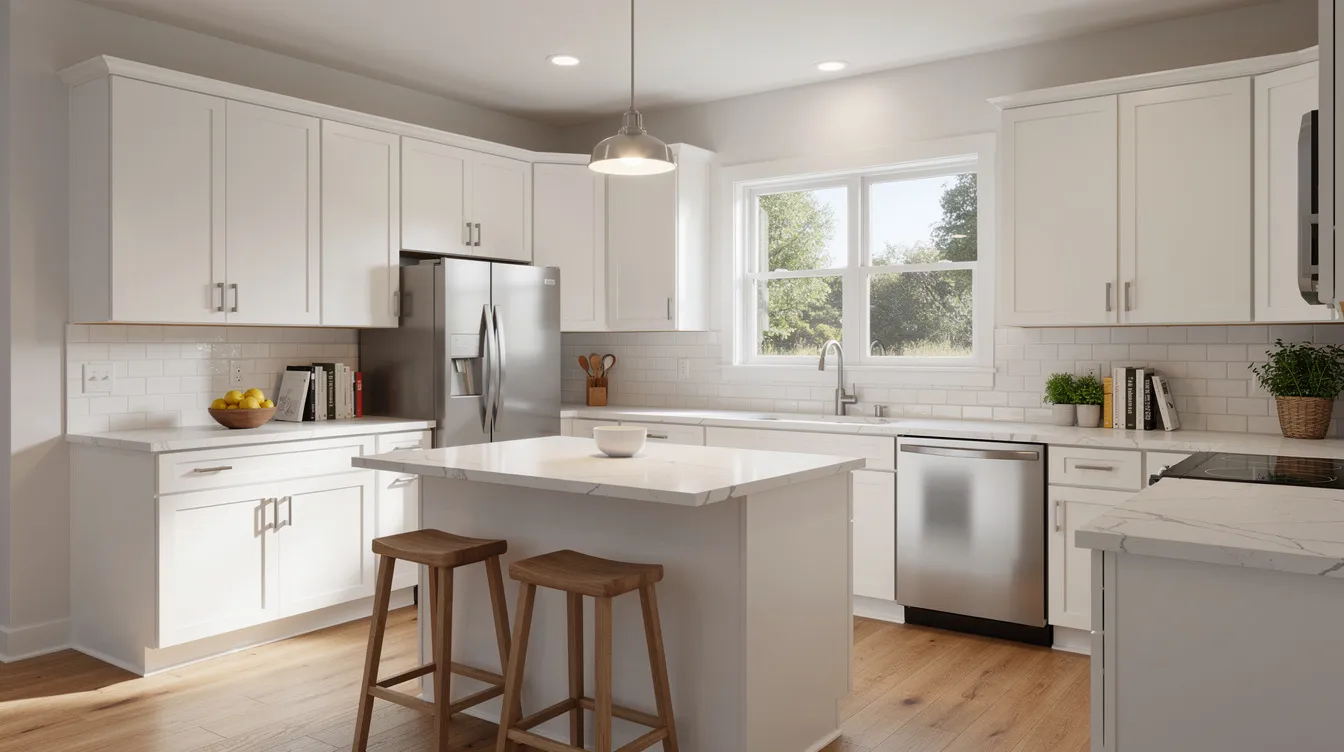
Picture a dated 3 bed home: old carpet, closed off kitchen, brass fixtures from the 1990s. After renovation, you have an open kitchen with shaker cabinets and quartz counters, LVP flooring throughout, updated bathrooms with tiled showers, fresh paint inside and out, new light fixtures, and cleaned up landscaping with a painted front door. That transformation moves the home from "needs work" to "move in ready" and positions it among comparable renovated homes in the area.
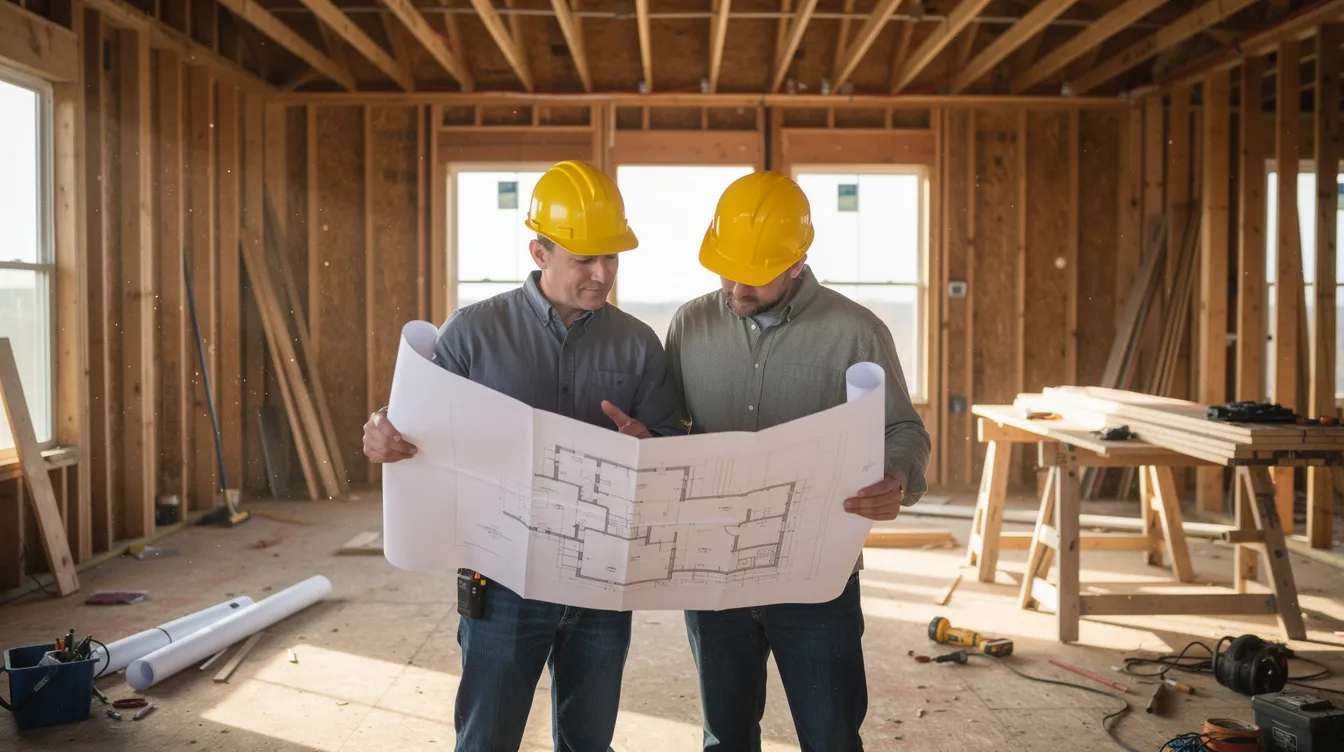
Effective project management prevents costly construction delays. Successful renovations require detailed planning and budgeting. Hiring reliable contractors is essential. Use written contracts with milestones, penalties for delays, and weekly check ins to manage schedule and budget. Accurate budgeting protects profit margins against unexpected expenses during flips.
Financing for House Flippers: Beyond the "All Cash Offer" Myth
Cash offers are powerful, no question. But flipping houses requires significant initial capital outlay, and most flippers don't have $200K to $400K in liquid cash sitting idle. Flipping requires securing financing through various channels such as loans or cash.
Common primary financing options:
- Hard money loans: private lenders, property as collateral, interest rates typically 12% to 20% APR, interest only payments, fast closings. Well suited for flips but expensive if your holding period stretches.
- DSCR loans: underwritten based on property income potential, more favourable rates if you can show rental income as part of your exit.
- Investor friendly conventional loans: slower to close, more documentation, but lower rates if you qualify.
The funding gap is where deals die. Your hard money lender covers 85% to 90% of the purchase price. That leaves you responsible for the down payment, closing costs, earnest money deposit, rehab draws before reimbursement, holding costs, and a contingency reserve. Stack those up and you can be short $30,000 to $80,000 even on a modest deal.
This is where gap funding fits. Gap Funded works alongside your primary lender to cover those shortfalls so you can still move fast, present a competitive offer, and close without giving up equity or taking on a business partner you didn't want.
How Gap Funded Helps Real Estate Flippers Close the Funding Gap
Gap Funded is not a hard money lender or a DSCR lender. We sit alongside your main financing to make deals actually closable when you're short on the pieces your primary lender won't cover.
Here's what that looks like in practice:
- Debt consolidation: clean up existing high interest balances first. This frees cash flow and improves your profile for the next steps.
- Unsecured personal term loans: cover your down payment, earnest money deposit, or holding cost reserve without putting a lien on the deal property.
- Credit card stacking at 0% intro APR: pay for materials, contractor deposits, and initial rehab draws with stacked business credit cards carrying 0% interest for an introductory period.
- HELOCs on property you already own: draw against equity in your home or another investment property for rehab costs or deposits.
Sequencing matters. Applying out of order can knock out later approvals, which is why we walk you through the order that makes sense for your situation.
Realistic qualification: typically 650+ FICO, verifiable income or business revenue, or equity in a property. No equity splits, no liens on the deal property, and a soft pull to check your options with no impact to your credit.
If you're stacking capital for your next flip, start with a quick application to see what's available.
Working With a Real Estate Agent and Your Local Team
Even experienced flippers rely on a strong local team. Your real estate agent is the linchpin. A good agent who knows the investment side of the business helps you source deals, pull realistic ARV estimates using recent comps, advise on what buyers actually want (open floor plan or traditional layout?), and price the finished home to sell fast.
An agent who prices your flip aggressively, just under comps, can generate multiple offers and cut your time on market from 60 days to 20. That alone saves thousands in holding costs. Overpricing by $15,000 in hopes of a higher price often adds two months to your timeline, which can cost more than $15,000 in mortgage payments, insurance, property taxes, and utilities.
Other critical team members: a reliable contractor (get multiple bids), electrician, plumber, inspector, closing attorney or title company, and an accountant who understands investment property tax issues. For beginners, I'd prioritise trustworthy partners over squeezing every last dollar out of each line item. The cheapest contractor who ghosts you mid project is the most expensive contractor you'll ever hire.
Risks, Common Mistakes, and How to Protect Your Profit
Home flipping can be profitable, but the median return on investment for flips has dipped under 30% in recent years. Changing market conditions can invalidate initial profit assumptions, and capital gains taxes can reduce flipping profits further, especially on short term holds taxed at ordinary income rates.
Common beginner mistakes:
- Underestimating renovation costs (renovation costs can escalate quickly, threatening profits)
- Overestimating ARV without solid comparable sales data
- Skipping due diligence on inspections, title, or permits
- Ignoring holding costs during delays
- Choosing a massive gut rehab as a first project
External risks are real too. Rising interest rates reduce buyer demand and increase your cost of financing. Permit delays, contractor shortages, and supply chain cost swings all showed up in 2024 and 2025 housing market conditions.
How to protect yourself:
- Add 10% to 15% contingency on top of your rehab estimate
- Use conservative ARV estimates based on the worst acceptable comps, not the best
- Lock in fixed price contracts where possible
- Monitor local market conditions: days on market, sales velocity, inventory levels
If high interest balances on credit cards or old debts are eroding your margins, debt consolidation can lower your cost of capital and free up cash flow for project costs.
Is Becoming a Real Estate Flipper Right for You?
This is your checkpoint. Flipping requires significant knowledge and experience to succeed, but everyone starts somewhere.
Traits that match the investment strategy well: comfort with calculated financial risk, basic renovation literacy (enough to evaluate a contractor's bid and spot problems), strong time management, and willingness to learn a local real estate market inside and out.
If hands on project management doesn't appeal to you, more passive alternatives like REITs or turnkey rentals might be a better fit. They offer less control and typically lower per deal returns, but they don't require you to manage a contractor or lose sleep over permit timelines.
My honest recommendation: start investing with one moderate flip in a neighbourhood you already know. Choose a cosmetic scope, not structural. Set a strict budget. Build a complete plan before you buy. That's how you start a small business in real estate without betting the house (pun intended, mate).
You don't need all the capital sitting in your bank account to get started. You need a realistic plan, a solid deal, and the right funding stack. Apply for a quick review at Gap Funded to see your options. Soft pull, no impact to your credit, no obligation.
Related Reading
This article is for educational purposes only and isn't financial, legal, tax, or investment advice. Credit and financing outcomes depend on your own situation. Talk to a licensed financial professional before making funding decisions for your business.