
One Day Flip Real Estate: How Same-Day Closings Really Work (and How to Fund Them)

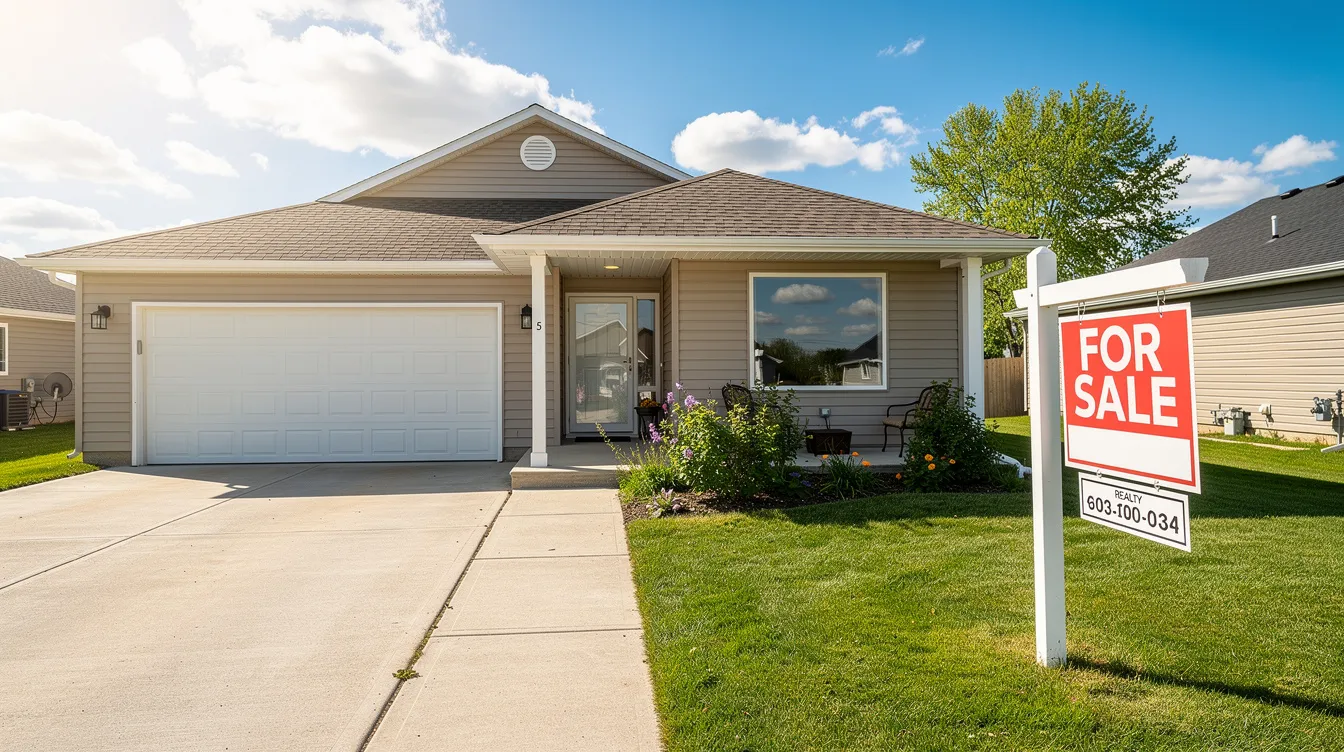
Most people hear "one day flip" and picture someone buying a house at sunrise, slapping on paint, and selling it by dinner. That's not what this is. A one day flip in real estate involves buying and reselling a property on the same day, sometimes within hours of each other, without touching a single wall. No rehab. No contractors. No dumpsters in the driveway.
What a One Day Flip Really Is (and Isn't)
A one day flip is a deal structure, not a construction project. A one day flip typically does not involve renovations or physical ownership in any traditional sense. You're acting as the deal maker: you find a property under contract at a price below market, then you resell your position (or the property itself) to an end buyer who wants it at a price that leaves you a spread. The whole thing closes in a single business day, or close to it. The industry also calls this a simultaneous closing.
Compare that to a traditional fix and flip. You buy a house for $180,000, spend $40,000 and three months on rehab, carry $2,000 a month in holding costs, then list it and hope to sell for $260,000 sometime before market conditions shift. You're exposed to contractor delays, permit headaches, material cost overruns, and appraisal surprises for months.
A one day flip compresses that timeline to hours. You contract with the seller Monday morning at $180,000. Your end buyer closes at $205,000 that same afternoon. You pay double closing costs, a transactional funding fee, and walk away with a spread. No paint. No permits. No sleepless nights wondering if the plumber is going to show up.
Investors often target distressed properties for one day flips: foreclosure auctions, pre foreclosures, MLS listed distressed listings, and off market leads from wholesalers or direct mail campaigns. In the 2024 to 2026 market, motivated sellers are still out there, though the competition to find them has grown.
I'm writing this from Gap Funded's perspective. We're a funding partner that helps real estate investors cover the gap money needed to close deals fast. This article walks through how one day flips actually work step by step, the legal and title issues you'll hit, the real funding gaps (earnest money, transactional funding, closing costs), and how tools like gap funding and credit card stacking can make the capital side possible. Let's dive in.
How a One Day Flip Deal Structure Works in Real Estate
A one day flip is usually either a wholesale assignment or a same day double close. In the investing community, you'll hear this called "transactional funding" or "gator lending" depending on who's doing the talking. Both structures accomplish the same goal: you get in and out of a deal fast, collecting a fee or spread for connecting seller to buyer.
Wholesale Assignment
Wholesalers often assign contracts instead of conducting double closings. Here's the short version:
- Day 0 to 3: You sign a purchase contract with Seller A at $180,000. The contract includes assignment language.
- Day 1 to 7: You market the deal to your buyers list.
- Day 7 (or sooner): You assign your equitable interest to Buyer B for a fee, typically $7,500 to $15,000. One closing, one set of closing costs.
The catch? Your assignment fee is visible on the closing documents. Some sellers balk when they see the spread. Some end buyer lenders won't allow large assignment fees. And at least 12 states tightened wholesaling laws between 2024 and 2026, adding disclosure requirements, registration rules, or treating wholesale activity as brokerage. Oregon, for example, began requiring wholesaler registration on July 1, 2025. Maryland's HB 124 and SB 160 require written disclosure of intent to assign, effective October 2025.
Same Day Double Close
A one day flip relies on executing two separate purchase contracts. The first transaction (A to B) is your purchase from the seller. The second (B to C) is your resale to the end buyer. These closings happen hours apart, sometimes back to back at the same title company.
Legal and financial mechanisms distinguish a double close from a standard wholesale deal. In a double close, you actually take title, briefly. Double closing keeps the profit margin private from both seller and buyer, because each party only sees their own closing statement.
Double closings can incur two sets of closing costs and require transactional funding. That means two title searches, two sets of recording fees, possibly double transfer taxes, and a funder fee on top. Those costs eat into your spread. But when assignment restrictions apply, or when you want to keep your margin private, a double close is the tool.
A one day flip sits within the broader world of real estate investing as a cash generation strategy. Many investors use the quick fees from these deals to fund down payments on fix and flip projects, build reserves for BRRRR purchases, or stack capital toward short term rental acquisitions.
Some coaching programs brand this structure with catchy names, but most rely on the same fundamental contract and closing processes underneath.
Step by Step: Executing a One Day Flip From Lead to CloseStep by Step: Executing a One Day Flip From Lead to Close
This is the practical roadmap. From finding the deal to collecting your assignment or resale cheque, the goal is roughly 24 hours of closing activity (with days or weeks of prep work beforehand, because the "one day" part is just the closing).
Finding the Deal
You need to find properties priced below what a buyer will pay immediately. The usual channels:
- Pulling pre foreclosure lists from your county recorder or a data service
- Driving for dollars (literally driving neighbourhoods looking for vacant or distressed houses)
- Online lead sources and skip tracing services
- Networking with other wholesalers who daisy chain deals
High competition exists in the one day flip market due to demand for discounted properties. Everyone with a smartphone and a weekend seminar is pulling the same lists. The people who do well here either outwork the competition on volume, build direct relationships with distressed sellers, or work markets that the big operators ignore.
Analysing the Deal
Run your comps using recent 2024 to 2025 sales data. Confirm the after repair value (ARV), even though you're not doing repairs. Your end buyer will verify ARV before committing cash, so your numbers need to hold up.
Back into your maximum allowable offer (MAO):
MAO = (ARV x target percentage) minus your fees, closing costs, and transactional funding cost
If ARV is $240,000 and your buyer wants to pay 85% of ARV ($204,000), and your total costs run $8,000, your MAO to the seller is around $176,000. The expected profit in a one day flip is calculated after accounting for all transaction costs, not before.
Contracting
Use state specific purchase agreements. If you're assigning, the contract must include assignment language or at minimum not prohibit it. If you're planning a double close, make sure nothing in the contract prevents resale within a short timeframe.
Add inspection or due diligence clauses when possible, even if you don't plan to use them for rehab purposes. They give you an exit if title issues surface. Once both parties have signed contracts, the clock starts.
Building Your Buyers List
Having a cash buyer lined up before contract signing increases success rates. This is non negotiable for consistent one day flips. Your buyers list should include:
- Cash investors who close in 7 days or fewer
- Landlords looking for rental stock
- Small builders or developers who want teardowns or lot value
- DSCR loan buyers with pre approval letters
Verify proof of funds. A screenshot of a bank statement from 2023 doesn't count. You need current, verifiable proof that your buyer can close.
The Short Marketing Window
Once you have the deal under contract, send it out. Email and text blasts to your buyers list, posts in private investor groups (where legally allowed), and rapid showings or walk throughs. Speed matters. You're not listing on the MLS and waiting 30 days.
Closing Day
Professional coordination with a title company is necessary for one day flips. Here's what the day looks like in a double close:
- Earnest money is already in escrow (deposited days earlier).
- Your transactional lender or gap funding partner wires the A to B purchase price to the title company.
- The A to B closing happens in the morning. You take title.
- The B to C closing happens in the afternoon. Buyer C's funds pay off the transactional lender, cover closing costs, and the remainder is your spread.
- All parties receive separate settlement statements.

A Concrete Numeric Example
| Item | Amount |
|---|---|
| A to B Purchase Price | $180,000 |
| Transactional Funding Fee (1.5%) | $2,700 |
| A to B Closing Costs | $3,500 |
| B to C Closing Costs | $4,000 |
| Earnest Money Deposit | $5,000 (applied to purchase) |
| Total Costs | $10,200 |
| B to C Sale Price | $205,000 |
| Net Spread | $14,800 |
If you assigned instead of double closing, you'd skip one set of closing costs and the transactional funding fee, netting closer to $16,000 to $17,000 on a $20,000 assignment fee. But you'd need legal assignment structure, seller consent, and a state that allows it without extra licensing.
Common Pitfalls That Kill One Day Flip Deals
One day flips carry risks such as buyer fallout and financing issues. Here are the ways these deals blow up most often:
Title surprises. Verification of seller authority and title condition is crucial for rapid flips. Unresolved liens, probate delays, divorce proceedings, open permits, or municipal code violations can surface at the last minute and cause the title company to refuse closing. Run title early.
Buyer backs out. If Buyer C disappears the morning of closing, you're stuck holding a transactional loan with no repayment source. This is why you need backup buyers, not just one committed party.
Title company unfamiliarity. Many title companies have never handled a same day double close. They'll delay, ask confused questions, or flat out refuse. Pre screen your closing partners. Ask specifically: "Have you closed back to back transactions on the same property in a single day?" If the answer is no, find one who has.
Overpricing to your list. If you price the deal too high for your buyers, nobody bites, and you run out of time on your seller contract. Leave enough meat on the bone for the end buyer to want the deal.
No backup plan. Always have a second buyer and a second funding source. Avoid being fully dependent on one person or one lender for a deal that must close in hours.
Funding the One Day Flip: Where the Money Gap Really Is
"No money down" is common marketing language for these deals. Here's the honest version: someone must fund the A to B purchase, the earnest money deposit, and the closing costs on both sides of a double close. That money has to come from somewhere.
Transactional funding is often necessary for a one day flip. The typical capital needs break down like this:
| Capital Need | Typical Range |
|---|---|
| Earnest Money Deposit (EMD) | $1,000 to $10,000 |
| A to B Purchase Price (transactional funding) | Full purchase price |
| A to B Closing Costs | $2,500 to $6,000 |
| B to C Closing Costs | $2,500 to $6,000 |
| Transactional Funding Fee | 1 to 2% of purchase price (same day) |
| Utilities/Insurance (if timeline slips) | Minimal, but possible |
Gap funding bridges shortfalls in real estate financing. That's what we do at Gap Funded. We're not a hard money lender. We're not taking a lien on your deal property. We fill the gap between what you have and what you need to close; EMD, closing costs, working capital for marketing, or reserves if timelines slip.
Traditional hard money lenders require longer underwriting timelines and often impose minimum hold periods that don't work for same day closings. Private lenders or "gator" partners sometimes take a large equity slice of your deal profit, which defeats the purpose of a thin spread deal. Transactional lenders charge fees but don't require weeks of paperwork.
Real estate investors typically need a credit score of 650+, with stronger terms available at 680 and above. We also look at verifiable income, existing business revenue, or usable equity in a home or investment property. Soft credit pulls only, so checking your options doesn't ding your score.
For investors doing multiple one day flips per month, stacking the right tools in the right order turns sporadic deals into a consistent, scalable business. You can learn more about how our capital stacking works for real estate investors here.
Tools That Work Best for One Day Flip Capital
The order matters. Applying for the wrong tool first can knock out later approvals. Here's the sequence I'd recommend:
1. Credit Card Stacking (0% Intro APR)
This is your first line tool for EMDs, inspection fees, marketing costs, and small closing expenses. Credit card stacking lets you access $20,000 to $150,000 in 0% interest revolving credit. You pay no interest during the intro period (typically 12 to 21 months), then deploy that capital across multiple deals. The risk: if you carry balances past the intro window, rates jump. Manage it, and it's one of the cheapest forms of short term capital available.
2. Unsecured Personal Term Loans
Unsecured term loans help finance real estate deals quickly. They provide a predictable pool of working capital that you can reuse across multiple one day flips and small rehabs. Faster to set up than traditional bank financing, no collateral required on the deal property.
3. HELOC for Investing
HELOCs can be used for investment property financing. If you have equity in your primary residence or a rental property, a HELOC gives you flexible, reusable capital for down payments and same day closings. You draw what you need, pay it back after closing, and the line resets. The risk: if your deal flow is inconsistent, you're carrying an open line with interest accruing.
4. Business Lines of Credit
Business lines of credit provide quick access to capital, especially for investors who have at least two years in business and $20,000 or more in monthly revenue. In addition to HELOCs, a business line gives you another revolving pool of funds that you can tap on short notice.
5. Transactional Lending / Gator Lending
When you need deal specific capital just for one day (or a few days) to bridge the A to B purchase, transactional lending fills that role. The fee runs 1 to 2% of the purchase price for same day funding. Compare that to a gator partner who might take 30 to 50% of your deal profit. Paying a 1.5% fee on a $180,000 purchase ($2,700) is a lot cheaper than giving up $7,500 of a $15,000 spread.
Prioritise the order: build flexible revolving capacity first (HELOC, business credit lines), then layer in 0% credit card stacking for recurring expenses, and use one off transactional funds only when needed to protect your spread.

Is "One Day Flip" Realistic for New Investors? Risks, Rewards, and Scam Concerns
I reckon every investor has seen an ad promising easy money from same day flips. Someone on a video says they made $20,000 in a day with no experience and no cash, and your first reaction should be to ask what they left out.
One Day Flip allows flipping houses without rehabs, and that part is true. The structure is real. The deals exist. But the execution requires knowledge of contracts, local laws, and fast moving capital partners. None of that is automatic.
Specific training programs exist in this space. One Day Flip, for example, is a coaching program where participants can apply Cam's training in any U.S. market. The program covers pre foreclosures and post list foreclosures, and members report they can sign contracts within two weeks of training. One Day Flip has a 30 day money back guarantee. Those are the facts as presented. Whether the results match your market, your skill level, and your capital position is something only you can evaluate.
Watch for red flags in any education pitch: guaranteed profit numbers, "no risk" language, or pressure to buy before you've done your own due diligence. Talk to people who've been through the program. Read the refund terms carefully. Ask a local real estate attorney if the contract templates comply with your state's wholesaling laws.
The real upside of one day flips is clear: quick fees without holding rehab risk, a faster learning curve in real estate, and compounding capital that you can redeploy into fix and flip, BRRRR, and short term rental strategies.
The real risks are just as clear. Typical flip returns fell to about 25.1% ROI before expenses in mid 2025, the lowest in 17 years. Compressed margins mean less room for error. Contract mistakes, regulatory issues around wholesaling in certain states, and reputational damage with buyers and sellers if deals don't close are all on the table.
Gap Funded doesn't sell "get rich quick" education. We're a funding partner. If you're starting out, here's what I'd suggest before locking up any high pressure deal:
- Talk to local investors who actually do these deals in your market
- Interview two or three title companies about their comfort with double closings
- Verify any education provider's refund policies and independent reviews
- Pre qualify with a funding partner like us so you know your real borrowing power before you need it
Being honest about the learning curve doesn't mean the strategy doesn't work. It means you go in with your eyes open.
Using One Day Flips to Build a Long Term Real Estate Business (and Next Steps)
One day flips are a great cash generation tool, not a retirement plan on their own. The guys and gals who build lasting wealth in real estate use quick flip profits to fuel more stable strategies: rental portfolios, BRRRR acquisitions, and short term rental properties that produce monthly cash flow.
Consistent quick flip profits can also pay down high interest debt, which improves your credit profile and makes you more bankable for conventional financing over the next 12 to 24 months. If you're carrying credit card balances at 22% or personal loans at 15%, using flip proceeds to consolidate and reduce that debt is one of the highest return moves you can make.
Gap Funded's broader toolset scales with you. We help investors go from a single one day flip to managing a pipeline of deals at different stages: gap funding for the next double close, a HELOC for a rental down payment, credit card stacking for rehab draws, and term loans for working capital.
Map out a 12 month capital plan. How many one day flips do you aim to close? What funding mix will you need for each? When does it make sense to transition into longer hold projects or even business acquisitions? These are the questions successful investors answer before they need the money, not after.
If you've read this far, you're doing more research than most people in this space. I'd share one last thought: the deal side and the funding side of real estate investing are two separate skills. You can be a great deal finder and still lose deals because the capital wasn't ready in time. That's the problem we solve.
Hit the button, fill out the quick application, and let us run a funding review so you know exactly what you qualify for today. No cost, no obligation, soft pull only.
See your real funding options here →
If you've got questions, drop a comment or reach out directly. We're happy to walk through your specific deal structure and show you how the capital stack would work for your next one day flip.

Related Reading
This article is for educational purposes only and isn't financial, legal, tax, or investment advice. Credit and financing outcomes depend on your own situation. Talk to a licensed financial professional before making funding decisions for your business.