
How to Find Undervalued Homes (So You Can Actually Close on Them)

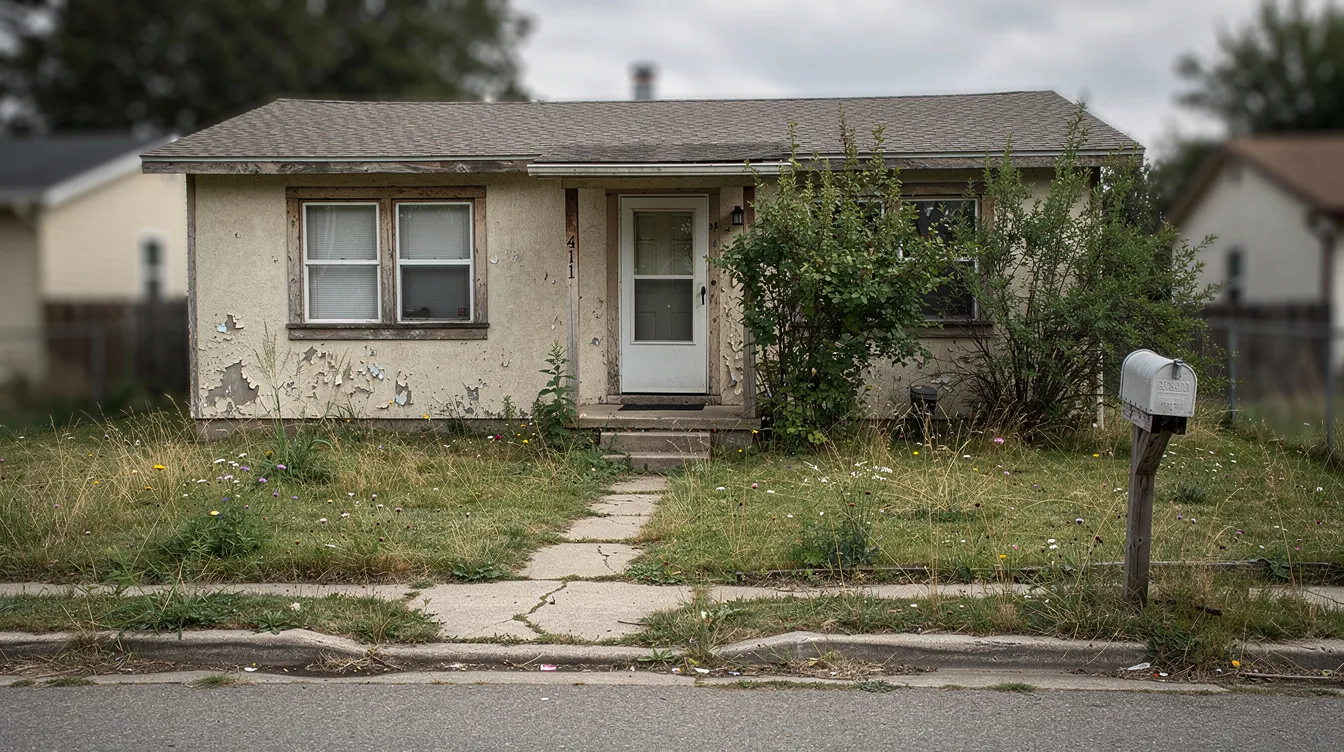
Most real estate investors know the best deals in real estate aren't listed with a bow on top. They're buried in bad photos, sitting with motivated sellers who need a quick sale, or hiding behind neglected landscaping and outdated kitchens. The real challenge isn't just learning how to find undervalued properties. It's having the capital ready to act quickly when you do.
In 2026, roughly 62% of homes sold below their original asking price, the highest share since 2019. That means undervalued real estate deals are out there. This article covers how to spot undervalued deals, where to look, how to run the numbers, and how to fund the gap between what your lender covers and what the deal actually costs.
What Makes a Home Truly Undervalued (Not Just Cheap)
An undervalued property is one where the market value after modest rehab, better management, or neighbourhood growth is meaningfully higher than the purchase price plus all your costs. That's different from "cheap for a reason," which usually means foundation cracks, flood zones, or zoning restrictions that no amount of paint will fix.
Comparative market analysis identifies undervalued properties effectively by comparing recent comparable sales, not wishful thinking. Properties with cosmetic issues often present strong investment opportunities because cosmetic updates typically carry a lower cost compared to structural repairs. An outdated appearance can lead to undervaluation even when the bones are solid. Properties with cosmetic flaws can be acquired below market value and appreciate with renovations. But be careful: hidden capital expenditures can significantly affect a property's intrinsic value, so properties with extensive cosmetic work needed may not always reflect true structural or location issues. Always dig deeper.
Common drivers of undervaluation include:
- Motivated sellers who price properties below market value for a quick sale (think divorce, financial trouble, or estate sales)
- Cosmetic issues like old carpet, dated cabinetry, or cluttered interiors that scare many buyers
- Poor marketing or mispricing by an agent unfamiliar with the broader market
- Rental properties with long term tenants paying well below market rent, hiding real income potential
- Early stage infrastructure improvements or zoning changes not yet reflected in the asking price
Key Signals a Home Might Be Undervalued
Successful investors don't chase every lower price listing. They spot undervalued properties by scanning for key indicators in the data. Identifying undervalued homes requires data analysis and market knowledge, not guesswork.
Here are the signals to watch:
- Days on market above local average. Properties listed longer than the local average often indicate negotiation opportunities. Homes sitting 60 to 90+ days regularly sell at 5 to 12% below list. Properties with high days on market may indicate motivated sellers willing to sell quickly.
- Repeated price reductions. Multiple cuts suggest seller motivation and financial pressure. Examine public records to establish property history and price reductions.
- Price per square foot well below comparable listings. If a home's $/sqft is 10 to 20% under the neighbourhood median, that's worth a closer look. Compare against recently sold properties.
- Listing language. Phrases like "as is," "investor special," or "cash only" reveal opportunities. Poorly marketed listings with bad photos or few images can lead to undervalued properties that don't attract buyers.
- Motivated seller situations. Motivated sellers often include those with estate sales, urgent relocations, or inherited properties. Target motivated sellers in distress due to life events like divorce or pre foreclosure.
- Below market rental income. A price to rent ratio near 12 or lower can indicate that a rental property is undervalued. Look for poor property management, deferred maintenance, and rents that haven't been raised in years.
- Neighbourhood momentum. Emerging neighbourhoods with new employment centres, rising rental demand, or upcoming development often contain hidden gems where prices don't fully reflect future income or appreciation.
Where to Find Undervalued Homes: On Market, Off Market, and Distressed
Serious real estate investors build a repeatable pipeline. Here's where to look, and why building relationships matters more than any single tool.
- MLS filters. Search for long days on market, price reductions, and homes priced well below recent sales per square foot. Understanding local market dynamics aids in identifying undervalued properties that others overlook.
- Real estate agents and property managers. Building relationships with local agents can reveal hidden opportunities. Local expertise helps assess neighbourhood trends and rental demand, and local knowledge is crucial for evaluating property renovation costs. Agents with local expertise can flag tired landlords and code violations before properties hit the market.
- Off market strategies. Utilising off market and pocket listings can provide access to less competitive properties with less competition. Off market properties often sell for less than market value. Local relationships provide access to off market opportunities you won't find online.
- Driving for Dollars. Driving for Dollars helps find neglected properties in neighbourhoods by scanning for vacancy, deferred maintenance, and unpaid taxes.
- Wholesalers and investor networks. Building relationships with wholesalers can uncover undervalued deals in real estate before they reach the broader market.
- Public records. Look for tax delinquencies, liens, and code violations. Distressed properties often prioritise fast sales over maximum prices. Auction properties are often priced below market value.
- Transitioning neighbourhoods. Identify transitioning neighbourhoods for potential real estate investments. Analyse neighbourhoods for development potential through zoning and infrastructure plans. Undervalued properties often exist in emerging neighbourhoods where market properties haven't caught up to neighbourhood trends.

How to Analyse an Undervalued Home Like an Investor
Finding a property undervalued is step one. Careful analysis is what protects your profit and stops you buying someone else's headache.
- Estimate ARV. Analyse comparable sales to identify undervalued properties. Pull 3 to 5 recent sales within half a mile, similar in size, beds, baths, and condition. Be conservative.
- Estimate repair costs. Conducting property inspections helps accurately assess repair costs before making offers. Itemise renovation costs, include 10 to 20% contingency for surprises, and factor in federal taxes, holding costs, and insurance.
- Calculate MAO. Calculate the Maximum Allowable Offer using the After Repair Value and repair costs. The 70% rule is a solid starting screen: MAO = (ARV x 70%) minus rehab. On a $250K ARV home needing $30K in work, that's a max offer of about $145K.
- Stress test. Model higher repair costs, longer holding times, slightly lower rents, and higher interest rates. If the deal still works, it's worth pursuing.
- Check permits and violations. Unpermitted work or unresolved code violations can blow up a deal. Verify permit history and title before you commit.
For rental or BRRRR deals, also model post refinance cash flow after debt service, vacancy, and management. The best deals uncover opportunities on paper before you ever make an offer.
Funding the Deal: Solving the Real "Gap" With Undervalued Homes
Here's where most investors stall. Even with hard money or DSCR loans covering 70 to 90% of the deal, you still need cash for the down payment, closing costs, rehab draws, earnest money, and holding costs. On a $150K purchase, that gap can easily run $30K to $50K.
That's what we built Gap Funded to solve. We stack capital around your primary loan to close that gap, with no equity splits and no liens on the deal property.
The tools, in the order that matters:
- Rapid gap funding (unsecured term loans, $20K to $200K). Covers down payment and earnest money. Funded in 1 to 3 days.
- 0% credit card stacking (up to $150K at 0% intro APR for 12 to 21 months). Ideal for cosmetic repairs, materials, and short term holding costs. Business balances stay off your personal report.
- HELOC for investing on a primary or investment property with existing equity. Revolving access for future income producing deals without selling assets.
Sequencing matters. Applying out of order can knock out later approvals. Typical qualification: 650+ FICO, verifiable income, and either personal capacity or home equity. We start with a soft credit pull, so checking your options has no impact on your score.
Putting It Together: A Simple Game Plan to Find and Fund Undervalued Homes
You can read about single family homes and market value all day. What matters is a repeatable system. Here's what I'd do if I were starting fresh:
- Week 1: Pick 2 to 3 target neighbourhoods. Study recent sales, rental demand, and zoning changes. Identify where the market doesn't fully reflect neighbourhood momentum.
- Week 2: Build your lead pipeline. Set MLS alerts for long DOM, price reductions, and "as is" listings. Connect with real estate agents, wholesalers, and property managers who can reveal opportunities and market properties before anyone else sees them.
- Week 3: Screen and analyse. Run comps on every potential deal. Use the 70% rule to uncover deals worth pursuing. Walk properties to spot cosmetic issues vs structural red flags.
- Week 4: Line up funding and make offers. Get pre qualified for gap funding so you can act quickly. Submit offers on the best deals with confidence that your capital stack is ready.
The investors who consistently close on undervalued real estate deals aren't smarter. They've just done the work upfront so they can move when a deal appears. Your ability to act quickly is your edge over many buyers waiting on bank approvals.
If you've got a deal lined up (or you're building your pipeline now), apply for a soft pull funding review. No impact to your credit. Just options, laid out clearly, so you're ready when the right property shows up.
Related Reading
This article is for educational purposes only and isn't financial, legal, tax, or investment advice. Credit and financing outcomes depend on your own situation. Talk to a licensed financial professional before making funding decisions for your business.