
How Long Does It Really Take to Flip a House? (Timeline, Costs & Funding Gaps)

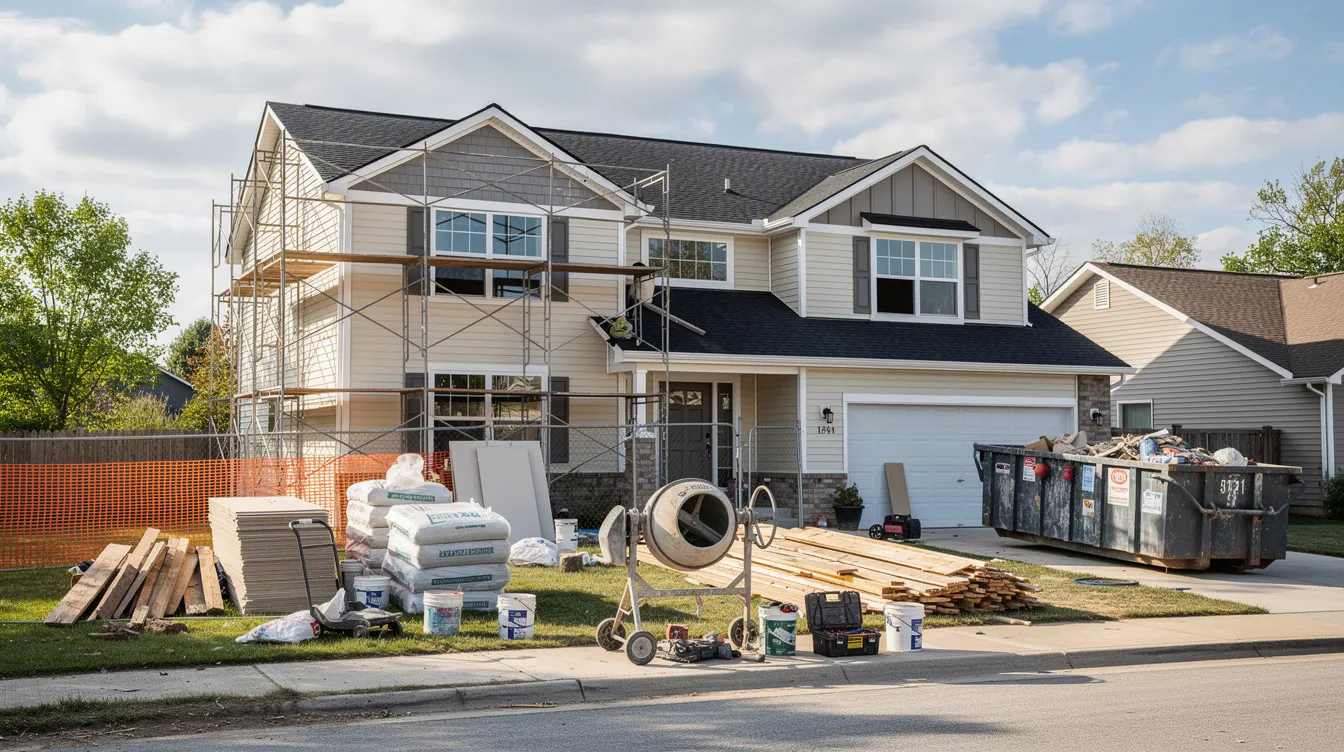
Most house flippers don't lose money because they picked the wrong property. They lose money because the project took two months longer than planned and the carrying costs ate everything. Here is what the actual timeline looks like, what drives it, and how to keep yours from blowing out.
Quick Answer: How Long Does It Take to Flip a House?
Flipping a house can take about six months from purchase to sale. According to ATTOM's Q1 2026 data, the national average sat at roughly 165 days - just under 5.5 months. Inexperienced flippers may take longer than six months, while seasoned investors with tight systems sometimes close the loop in 3 to 5 months.
The time frame varies based on project type and house quality, but here is a rough stage breakdown:
- Finding the deal: 2 to 6 weeks
- Closing on the purchase: 2 to 4 weeks (longer if financing is complex)
- Renovation: 4 to 12 weeks depending on scope
- Staging, photos and listing: 3 to 7 days
- Time on market: 2 to 8 weeks
- Buyer under contract to closing: 3 to 6 weeks
Investors often plan for a 6 month hold to accommodate potential delays. That is smart underwriting. Every extra month adds carrying costs in the form of interest, property taxes, insurance, and utilities, which directly eat into your profit. Timeline is not just a scheduling problem. It is a money problem.
What Is House Flipping vs. Other Real Estate Strategies?
House flipping means buying a property at a discount, performing renovations, and reselling for profit, typically within 12 months or less. Most flips target a 4 to 8 month cycle. It is real estate investing treated like a project, not a long term hold.
Compare that to:
- Rental investing: buy, rehab if needed, rent for years. Income is slow and steady.
- BRRRR strategy: buy, rehab, rent, refinance, repeat. You keep the property and recycle capital.
- Live in flip: purchase a primary residence, renovate over 2+ years, sell with potential tax advantages under the capital gains exclusion.
Flipping is best in a balanced real estate market where you can buy below value and sell at fair market price within a short window. Time pressure makes it fundamentally different from strategies where you own homes for years. Most people start by flipping one house at a time before scaling to multiple projects. That first flip teaches you more than any course ever will.
Key Factors That Determine Your Flip Timeline
Your flip timeline is not fixed. It will vary depending on a handful of specific, predictable factors. Here are the big ones:
- Property condition: Cosmetic updates can take 4 to 8 weeks while structural renovations can take 3 to 4 months. A fixer upper needing only paint, flooring and fixtures is a different animal from a full gut with plumbing and electrical rewiring.
- Permits and inspections: Waiting for building permits can add weeks or months to a project. Cities with heavy regulatory requirements may add 4 to 8 weeks. Smaller towns often approve simple work in 1 to 2 weeks.
- Housing market conditions: Local market conditions can influence how quickly a renovated home sells. In a hot seller's market, your listing might go under contract in a week. In a slow market, expect 60 to 90 days.
- Contractor availability: Reliable contractor availability is essential for timely renovation work. If your electrician or plumber is booked out 4 to 6 weeks, your renovation clock does not start until they show up.
- Materials and supply chain: Delays in acquiring building materials can stall construction progress. Cabinets, windows, and appliances with long lead times are common culprits.
- Unexpected issues: Unexpected issues during construction can lengthen project timelines. Hidden mould behind walls, foundation cracks, or outdated wiring discovered during demo can add weeks.
- Location: Location is critical when flipping houses. Always research local market conditions before purchasing investment properties.
- Financing: Fix and flip loans or hard money may require appraisals, draw inspections, and documentation that adds days if not managed proactively. Securing financing typically adds 30 to 45 days to the overall duration.
Typical House Flip Timeline: Step by Step Breakdown
Here is what a realistic "average" flip looks like from start to finish. I reckon most projects fall somewhere in this range:
- Deal sourcing and analysis: 2 to 4 weeks. Finding undervalued properties usually takes 2 to 6 weeks depending on your market and network. You are analysing comps, running numbers on after repair value, and deciding whether the deal makes sense.
- Offer, negotiation and contract: 3 to 10 days depending on competition and the seller's motivation. A good deal goes fast, so have your financing lined up.
- Due diligence and closing: 21 to 45 days including inspection, appraisal, and title work. Closing on the property generally takes 2 to 4 weeks with clean financing.
- Renovation and construction: 4 to 12 weeks. Renovation and construction can take 1 to 4 months depending on the scope of work. Light cosmetic rehabs sit at the short end. Full gut jobs with layout changes, roof replacement, and new plumbing push toward the longer end.
- Staging, photos and listing with a real estate agent: About 3 to 7 days. Staging and marketing the property typically requires 1 to 4 weeks if you include professional photography and listing preparation.
- Time on market: 2 to 8 weeks based on local demand and pricing strategy. Price it right and the right home buyers will find it.
- Under contract to buyer closing: 21 to 45 days. Selling and closing can take 4 to 8 weeks once an offer is accepted, factoring in buyer inspections, financing, and appraisal.
New investors usually underestimate contractor scheduling delays, permit wait times, and how long the buyer's financing can drag. Experienced flippers typically have streamlined processes that enhance project speed. They pre-vet teams, use standard scopes of work, and line up capital before writing offers.
How Budget, Purchase Price and Rehab Scope Affect Time
Money and time are mates. When one runs short, the other stretches out. An underfunded project almost always takes longer than a well capitalised one.
The purchase price alone does not determine speed. Your repair costs and rehab complexity are bigger drivers:
- A $150,000 purchase with a $25,000 cosmetic rehab might be finished in 4 to 6 weeks of work. A light rehab costs about $10 to $15 per square foot for paint, flooring, fixtures, and removing popcorn ceilings.
- A $250,000 purchase needing a $100,000 full gut rehab (new systems, layout changes, roof, plumbing through walls) can easily run 4 to 6 months of construction alone.
- The 70% rule advises paying no more than 70% of after repair value minus repairs. This formula protects your margin and gives you room to absorb delays.
- FHA 203(k) loans cap repair expenses at $35,000, while HomeStyle loans allow borrowing up to $50,000 for repairs. These can work for owner occupants doing a live in flip but are rarely fast enough for investors.
- Budget an additional 15% to 20% for unexpected repair costs. First time house flippers who skip this contingency end up scrambling for cash mid project. Budget an additional 15% to 20% for unexpected delays on top of that.
Running out of cash mid project is where things go sideways. Contractors stop showing up, materials sit on backorder because nobody placed the deposit, and carrying costs keep accruing while nothing gets done. Fix and flip loans and strategic fix and flip funding with little to no money out of pocket can keep construction moving if structured correctly so draws and reserves are adequate.
Carrying Costs: Why Every Extra Month Eats Into Profit
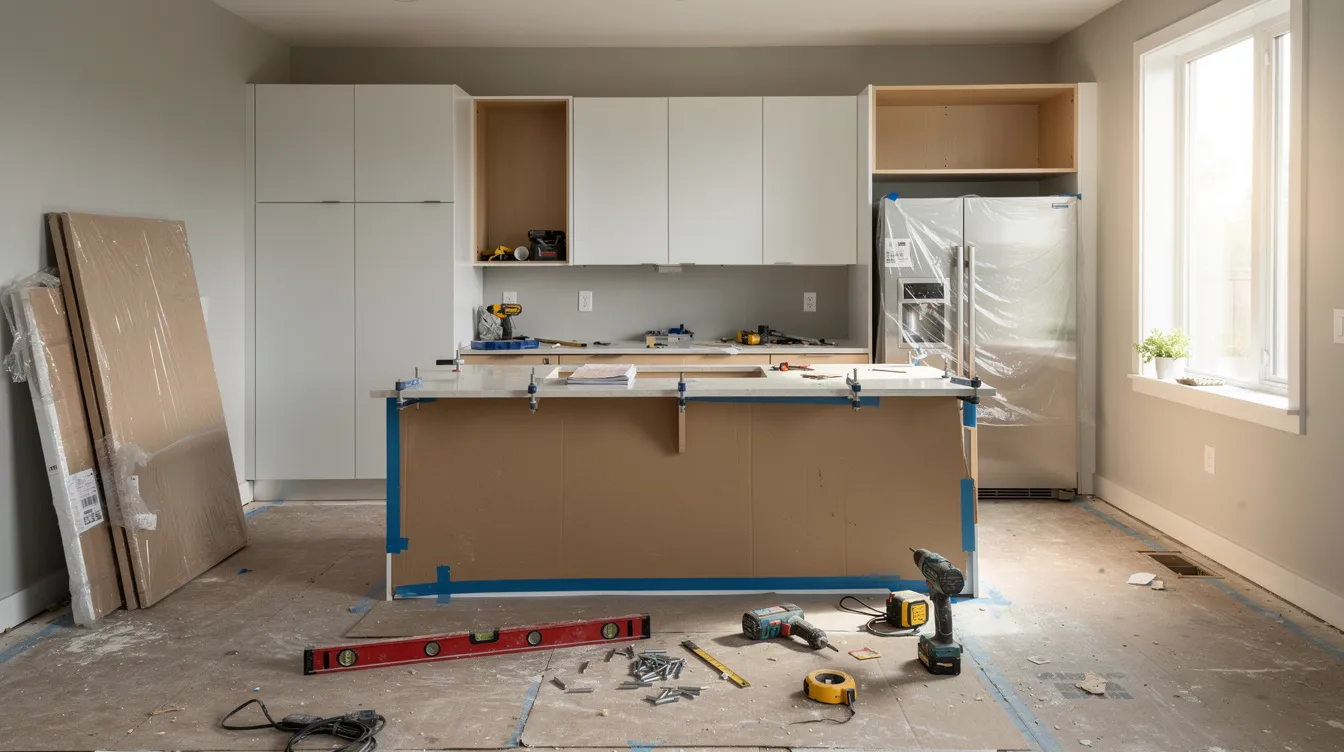
Carrying costs are the monthly expenses you pay while holding a flip. They include interest on your loan, property taxes, insurance, utilities, and sometimes HOA dues or lawn care. They never stop.
Here is a concrete example:
- Purchase price: $250,000
- Fix and flip loan at 11% interest: roughly $2,300/month in interest
- Property taxes: $300/month
- Insurance: $120/month
- Utilities: $200/month
- Total carrying costs: roughly $2,500 to $3,000 per month
A 3 month delay from a permit backlog or contractor issues could burn $6,000 to $9,000 of profit. Carrying costs increase the longer you hold a property, and that money comes straight out of your bottom line.
Home repairs can take longer than anticipated, affecting profits. Flipping houses can lead to unexpected costs like mould remediation that nobody saw coming until the demo crew pulled back the drywall. Houses can sit vacant longer before selling if you miss the peak season or overprice the listing.
Faster does not mean cutting corners on necessary repairs. It means planning well, scheduling trades tightly, making decisions quickly, and having enough capital on hand so you are never waiting on cash to pay for materials or cover a draw.
Role of Your Team: Real Estate Agent, Contractors and Inspectors
Your team can shorten or lengthen your flip by months. This is not an exaggeration.
An investor friendly real estate agent:
- Finds underpriced deals faster through the MLS and off market connections
- Advises on realistic after repair value based on recent comps and days on market
- Prices and markets the property to sell quickly at top dollar once rehab is finished
While getting a real estate license can save you listing commissions, it also requires time, classes, and ongoing education. Many real estate investors prefer partnering with experienced agents who already know the local market rather than spending months earning a licence themselves.
Reliable contractors who understand flipping houses are worth their weight in gold. Written scopes of work and payment schedules keep everyone honest. Professional home inspectors early in your first flip can uncover hidden issues that would otherwise add weeks to the project.
Consider job creation and amenities when choosing locations for your next flip. Top cities for flipping include Pittsburgh and Cleveland for affordability, while cities like Dallas and San Antonio have rising gross profits for flippers. Dallas and San Diego have the fastest rising gross profits, making them attractive for other investors looking to invest where the numbers make sense. For more on selecting the right lenders for your market, that is worth a read before you commit.
Funding Your Flip Without Slowing Down (and Where Gaps Appear)
The right funding structure can speed up a flip. The wrong one creates delays, stalled work, and cash crunches that turn a good deal into a mediocre one.
Here is where real estate investors commonly experience funding gaps:
- Down payment on the purchase price (most lenders require 10% to 25% down)
- Closing costs and earnest money deposits
- Rehab overages when the scope grows
- Working capital during the project for permits, deposits, and incidentals
- Reserves and contingency funds
- Paying expenses like insurance, taxes and utilities while waiting for the sale
Hard money loans provide capital for property upgrades and repairs, but most primary lenders rarely fund 100% of these costs. Fix and flip loans help investors renovate and resell properties, and in 2018, financed home flip purchases reached $19.9 billion, showing just how much capital flows through this space. But even at that scale, fix and flip loans reached $19.9 billion and still left gaps that investors had to cover out of pocket.
Running short on any of these items mid flip means stalled work, contractor disputes, and longer timelines. That is precisely where Gap Funded steps in with structured gap funding in real estate to bridge the shortfall with non dilutive capital.
How Gap Funded Helps You Flip Faster (Tools, Order and Qualifications)
Gap Funded does not replace your primary real estate financing. We complement it by filling in the underfunded portions of the deal so work never stops and your project stays on schedule through specialized gap funding solutions for real estate projects.
Our core tools, in the order that matters most for house flippers:
- Unsecured personal term loans: Fast funding for down payments, closing costs, and rehab startup capital before draws are released. Predictable lump sum for immediate needs.
- 0% business credit card stacking: Used for materials, contractor deposits, and carrying costs without immediate high interest. Ideal for experienced budgeters who plan to spend money strategically and pay down balances before promotional periods end, especially when using 0% APR credit card stacking strategies designed for real estate investors.
- HELOCs and lines of credit (including on investment property): Flexible, reusable capital to cover overages, contingencies, and future projects. This becomes your long term war chest for repeat flips, particularly when leveraging HELOC loans for real estate investors.
That order matters because applying out of sequence can knock out later approvals. Term loans first, credit stacking second, lines of credit third.
Realistic qualification: typically 650+ FICO, verifiable income or business revenue, and enough capacity to handle payments alongside existing obligations.
Being candid about alternatives:
- Hard money and fix and flip loans are excellent for funding a large portion of the purchase and rehab but often leave gaps in down payment and soft costs.
- Traditional banks can offer lower rates but are slower and rarely fund new investors or speculative flips without experience.
- Gap Funded focuses on speed, soft credit pulls for prequalification, and no equity splits or liens on the flip property itself.
If you want to save money on interest and keep more profit in your pocket, having the right capital structure from day one is key. Start a soft pull funding review at gapfunded.com/apply before you write offers on your next flip.

Tips for Your First Flip: Staying On Schedule and On Budget
- Start with a light to moderate cosmetic rehab. Kitchens, bathrooms, paint, flooring. Skip the structural changes, the engineers, and the complex permits on your first flip.
- Base your maximum allowable offer on the 70% rule or a similarly conservative formula. Leave room for home repairs to run over.
- Budget for the worst case timeline. If you expect 4 months, underwrite the deal as if it could take 6 to 7 months of carrying costs.
- Partner with a real estate agent who has worked with other investors flipping houses, not a generalist who only handles family home buyers looking for their own homes.
- Line up financing, including any needed gap funding, before you make offers so you can close quickly and keep professionals moving. Create a solid business plan that accounts for every dollar.
- Expect the unexpected. Budget an additional 15% to 20% for unexpected repairs and support work you did not see coming.
Frequently Asked Questions About Flip Timelines
Here are quick answers to the timing questions I hear most from new flippers.
- Can you flip a house in 90 days? Yes, with a light cosmetic job, experienced contractors, and a hot local market. Less realistic for a first flip or heavy rehab where you need to fix major systems.
- What makes some flips drag out past a year? Major surprises like foundation issues, mould, sewer line replacements, permit delays, contractor changes, and underfunding. If you run out of cash, everything stops.
- Do I need a real estate license to flip houses faster? No. A real estate licence may help with MLS access and save on commissions, but it adds its own time and education requirements. Most successful house flippers work with strong local agents instead.
- How many flips should most people try at once? First time flippers should focus on one project and learn the job properly. Experienced investors often manage 2 to 5 simultaneous flips once their systems and funding are dialled in.
- Does using gap funding slow down closing? No. Properly structured gap funding from Gap Funded is designed to speed up closings and renovation starts, not delay them. Pre approval before making offers is the ideal approach so you have cash ready on day one.
The Bottom Line: Plan Your Time, Then Fund the Gaps
For most realistic scenarios, flipping a house takes about 4 to 8 months. The profit depends heavily on how well you control both your timeline and your carrying costs. Every month you shave off is more money in your pocket.
- Success in real estate investing through flips is less about finding one perfect deal and more about building a repeatable system: reliable team, accurate budgeting, dependable funding.
- Primary lenders leave holes in down payment, closing costs, rehab overruns, and working capital that can stall projects and extend timelines. That is the funding gap.
- Gap Funded exists to close those gaps with non dilutive tools: term loans, 0% credit card stacking, and lines of credit, so you can move quickly from purchase to sale.
If you are planning your first flip or scaling to your next, apply for a quick, soft pull funding review at gapfunded.com/apply before you lock up your next deal. No liens on your property. No equity splits. Just the capital you need to keep moving.
Related Reading
This article is for educational purposes only and isn't financial, legal, tax, or investment advice. Credit and financing outcomes depend on your own situation. Talk to a licensed financial professional before making funding decisions for your business.