
How Do I Get a Hard Money Loan? (Step by Step for Real Estate Investors)

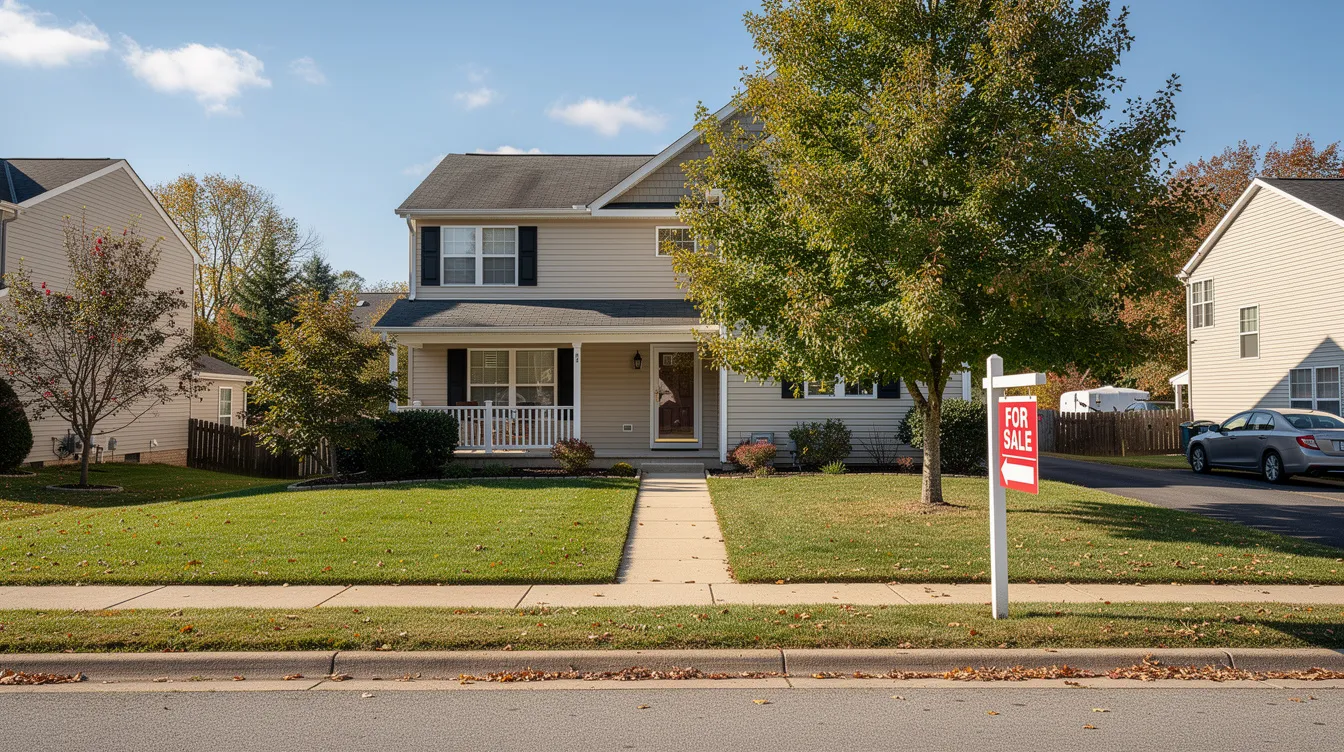
How Do I Get a Hard Money Loan? (Step by Step for Real Estate Investors)
Most real estate investors don't lose deals because of bad properties. They lose them because the money wasn't ready in time. A hard money loan is one of the fastest ways to fund a flip, a BRRRR, or a short term rental acquisition, but the process trips people up when they walk in unprepared. Hard money loan approval can occur within days, and some deals fund in as little as 7 days. That speed only works if you know what lenders want before you pick up the phone.
Here's the short version of how to get a hard money loan: find local hard money lenders or private lenders who fund your deal type, prepare a clear investment plan with property details and rehab numbers, meet the hard money loan requirements (property value, down payment, exit strategy, basic credit), get a property appraisal or broker price opinion, then sign the loan agreement and fund. The rest of this article breaks each step into detail.
This guide is written for real estate investors and small business owners chasing fast, asset based approval. If you're buying a primary residence with a 30 year mortgage, this isn't your article. And one thing to clarify upfront: Gap Funded does not replace hard money lenders. We provide gap funding and capital stacking to cover what hard money won't finance, like down payment, closing costs, and rehab shortfalls, without equity splits. You'll see exactly how that works later.
The Basics: What Is a Hard Money Loan and How Does It Work?
A hard money loan is a short term loan secured by real estate, issued by private lenders or small lending funds rather than traditional banks. Terms typically last 6 months to 3 years, with most fix and flip projects falling in the 6 to 12 month range. Unlike conventional loans, hard money loans focus on the property's value and projected After Repair Value (ARV) rather than your W-2 income, debt to income ratio, or detailed credit history.
Hard money lending is a solution for property purchases requiring repairs before financing, auction buys, non warrantable properties, bridge loans while waiting for a sale or refinance, and commercial real estate. Loan amounts generally range from $50,000 to $2 million.
Here's what the cost structure typically looks like:
- Interest rates for hard money loans range from 8% to 15%, depending on deal risk and borrower experience
- Origination fees run 1 to 3 points (each point equals 1% of the loan amount)
- Total closing costs usually land between 2% and 5% of the loan
- Borrowers often need to make interest only payments with a balloon payment due at maturity
- Rehab funds are held in escrow and released in draws after inspections of completed work
Exact loan terms vary by lender and market. These ranges reflect 2026 averages across the industry.
Hard Money Loan Requirements: What Lenders Actually Look At
Traditional bank financing cares about your tax returns, employment history, and debt ratios. Some borrowers turn to hard money when they do not meet traditional lending criteria. Hard money lenders prioritise property value over credit scores. The collateral is the deal itself, not your pay stub.
Core approval factors include:
- Property type and condition (SFR, 2 to 4 unit, small multifamily, commercial properties)
- Purchase price relative to ARV
- Down payment and equity contribution (borrowers typically need a down payment of 20% or more)
- A documented exit strategy
- Investor experience (first timers can qualify but often face tighter leverage)
- Basic financial stability; lenders may require proof of income or financial health
The minimum credit score for hard money loans is often around 550, though borrowers with 660 to 700+ scores get better rates and higher leverage. Documentation should include property value assessments and financial statements. Proper documentation is crucial for fast approval of hard money loans, and lenders may be more flexible than traditional lending criteria when the collateral and deal are strong.
Many real estate investors get stuck because they solve the "loan" piece but ignore the gap between total project cost and what the lender will actually fund. That gap is where deals stall.
Property as Collateral and ARV: How Your Deal Is Really Underwritten
Collateral for hard money loans is usually the property itself, secured by a first lien. Due diligence includes verifying the title and assessing property value through a professional property appraisal or broker price opinion (BPO) that covers both current condition and projected ARV.
Here's a concrete example: purchase a property at $220,000, budget $80,000 for rehab, and the ARV is $400,000. A lender offering 70% of ARV would cap the total loan at $280,000. That covers the purchase and rehab, but only if your numbers hold up. Loan to value ratios for hard money loans typically range from 60% to 75%.
Lenders care about:
- Location and local market comps (neighbourhood matters)
- Property type and resale or refinance potential
- A tight, line item rehab scope with contractor bids and realistic timelines
- Whether the property sits in a market with reasonable days on market
If the appraised ARV comes in lower than your projection, the lender adjusts. That usually means a smaller loan amount and more cash out of your pocket at closing.
Down Payment, Equity, and the "Gap" Most Investors Don't Plan For
Here's where I reckon most investors get caught off guard. A lender advertising "90% of purchase and 100% of rehab" sounds like you barely need cash. But typical down payments for hard money loans range from 20% to 40%, and even when LTC is generous, the ARV cap usually binds first. Hard money loans typically require a 25% to 35% down payment depending on the deal.
How the gap forms:
- Most private lenders want 10% to 20% down on the purchase price, plus proof of liquid reserves
- Closing costs add another 3% to 5% of the loan amount
- Lenders often require 3 to 6 months of interest payments, taxes, and insurance in reserve
- Rehab contingencies (10% to 15% of budget) are your problem, not the lender's
- Liquid reserves are necessary to cover renovation costs and interest payments during the project
On a $300,000 total project cost where the lender covers $250,000, you're bringing $50,000 or more in cash. That's not pocket change.
This is where Gap Funded comes in. We provide tools like 0% business credit card stacking, personal term loans, and business lines of credit to cover the investor's required cash without equity splits or gator lending structures. No lien on the deal property, no profit share.
Exit Strategy: The Most Important Part of Your Pitch
An exit strategy is essential for hard money loan approval. With short terms and balloon payments, the lender needs to know exactly how they're getting paid back, and that exit should fit your broader investment strategy, not just the property.
Common exit strategies include:
- Fix and flip: sell within 6 to 9 months of purchase
- BRRRR: refinance into a DSCR loan or conventional mortgage within 6 to 12 months after stabilising the rental, especially if the improved asset supports stronger rental income
- Bridge to sale: hold until market conditions improve, then list
Lenders will ask pointed questions. What if the ARV comes in 10% low? What if interest rates on your refinance are higher than expected? Weak answers to these backup plan questions can kill loan approval even when the property is solid.
One thing I help investors think about: if your exit involves refinancing into a DSCR loan, your credit profile at that point matters. Carrying a pile of high interest credit card debt can blow your ratios. Gap Funded's debt consolidation solutions can clean that up before your DSCR take out.
Your Investment Plan: Packaging the Deal for Private Lenders
A clear project plan is often required for loan applications. Executive summaries and detailed project budgets help lenders make fast decisions, and a polished package helps private lenders evaluate real estate projects quickly. Borrowers usually need to provide a deal package including property details and financials.
What a strong investment plan includes:
- Property address, photos (interior, exterior, damage), and neighbourhood overview
- Purchase price, rehab budget (line item), ARV supported by 3 to 5 comparable sales
- Projected timeline: closing to completion to sale or refinance
- Simple profit and loss projection covering acquisition, rehab, closing costs, monthly payments, property taxes, utilities, and expected sale price
- Your track record (past flips, BRRRR deals) or, for newer investors, your team: general contractor, agent, property manager
Example: 3 bed SFR purchased January 2027 at $195,000. Four month rehab budget of $65,000. List in May at $340,000. Close sale by August. All in costs including carrying: $285,000. Projected profit before tax: $55,000. When the scope, timeline, and exit are clearly presented, some lenders may also offer customized loan terms.
Borrowers should prepare a detailed project plan for lenders because a polished package also makes it faster for us at Gap Funded to structure the right capital stack around the deal.
How to Find the Right Hard Money Lender (and Why Local Lenders Matter)
Choosing the right hard money lender matters more than squeezing half a point off the rate. Speed, flexibility, and whether they actually close on your deal type, those are the things that make or break a project.
Practical ways to find hard money loan lenders:
- Ask other real estate investors at local REIA meetups
- Get referrals from wholesalers, agents, and mortgage brokers who work with investors, and ask who they would recommend as a good hard money lender
- Search for local hard money lenders in your market
Local lenders often understand regional real estate trends better. They know which neighbourhoods are appreciating, which comps are legitimate, and they can visit the property quickly. Researching local lenders can help find trusted private lenders who fund consistently.
When evaluating a lender, look beyond rate. Check responsiveness, fee transparency, written loan terms, proof of recent closings, and lender reputation, including whether they regularly fund your project type. To choose a reputable lender, review borrower feedback, look for unresolved complaints, and confirm they are transparent about rates, fees, and loan terms. Compare term sheets from at least 2 to 3 lenders, paying attention to leverage, rehab draw schedules, prepayment penalties, and extension options.
Gap Funded isn't a hard money lender. We work alongside many across the country and can complement your chosen lender with capital for the portions they won't cover.

Step by Step: How to Apply for a Hard Money LoanStep by Step: How to Apply for a Hard Money Loan
The funding process starts with an initial inquiry. Send the lender a quick deal overview: property address, purchase price, rehab estimate, ARV estimate, and your exit strategy. Most reputable lenders can soft screen this within 24 to 48 hours and tell you if the deal fits their box.
Once the lender shows interest, you'll submit documentation. Typical hard money loan documentation includes: purchase contract, itemised rehab budget with contractor bids, interior and exterior photos, driver's licence, entity documents if closing under an LLC, recent bank statements (usually 2 to 3 months), and a simple personal financial statement.
Next comes the property appraisal or BPO. The lender orders this independently; it usually takes 3 to 7 days for scheduling and report delivery. If the appraised ARV differs from your projection, the lender adjusts loan terms accordingly.
You'll then receive a term sheet outlining the interest rate, term length, origination points, monthly payments, rehab draw schedule, prepayment penalties, extension fees, and repayment schedule. Review it carefully. Once accepted, the formal loan agreement is drafted.
Closing happens with title or an attorney. You bring your cash to close (down payment plus closing costs plus any required reserves). Rehab funds are held in escrow and released after inspections of completed work milestones. For straightforward deals, hard money loan approval can occur within days, with funding timelines of 5 to 10 business days once underwriting clears.
Typical Loan Terms, Payments, and Costs You Should Expect
Knowing the true cost of hard money is the difference between a profitable flip and an expensive lesson.
Hard money loans typically feature short repayment terms of 6 to 36 months. Standard fix and flip projects use 6 to 12 month terms; heavy rehab or small development deals stretch to 18 to 24 months with possible extensions.
On a $250,000 loan at 11% interest, your interest only monthly payments run roughly $2,290 per month. That's cash flow you need to budget for during the rehab period.
Common fees and costs:
- Origination fees: 1 to 3 points ($2,500 to $7,500 on a $250,000 loan)
- Closing costs: title, legal, appraisal, recording; typically 2% to 5% of the loan amount
- Extension fees if you need more time (often 0.5% to 1% per month)
- Hard money loans often come with higher upfront costs than traditional loans
Balloon payment risk is real. If your rehab runs long or the property doesn't sell on schedule, you're either paying extension fees or scrambling. Budget for worst case: add 2 to 3 months of extra carrying costs to your plan.
Gap Funded can help manage closing costs or monthly payments through 0% credit card stacking or personal term loans, so you're not draining every dollar of personal savings into the deal.
Pros and Cons of Hard Money Loans vs Other Funding Options
Hard money is a tool with clear strengths and real costs. Here's an honest breakdown.
Pros:
- Speed: loan approval often happens inside 5 to 10 days; hard money loans can be funded in as little as 7 days
- Approval for hard money loans focuses on property value, not credit scores; borrowers with less than perfect credit can qualify
- Flexible terms for distressed properties and non conforming assets that traditional lenders decline
- Ideal for various investment strategies: fix and flip projects, BRRRR, bridge loans, short term rentals
Cons:
- Higher interest rates (8% to 15%) versus conventional financing (typically 6% to 8%)
- Short terms with balloon payments create exit pressure
- Down payments for hard money loans typically exceed 20% of the property's value
- Upfront fees (points plus closing costs) eat into margins on thinner deals
Unlike conventional loans, traditional bank loans offer cheaper capital and a longer repayment period, but loan processing takes 30 to 60 days, documentation requirements are heavier, and they rarely cover rehab. DSCR loans work well as an exit for stabilised rental property, but not for acquisition of distressed properties.
Private money lenders or equity partners sometimes offer flexible financing, but profit shares or equity splits on a strong deal can cost more than 12 months of hard money interest. Gap Funded fills the gap with non dilutive tools; no equity splits, no extra liens, and no last minute gator lending structures that eat your profit.
Alternatives and Complements to Hard Money: Filling the Capital Stack
When the deal works but you're short on cash, you don't need an equity partner. You need the right capital stack.
Unsecured gap funding works first in the sequence. 0% introductory business credit card stacking gives you 9 to 18 months at 0% interest; personal term loans work for investors with 650+ FICO scores. Both are fast, carry no lien on the deal property, and won't interfere with your hard money closing.
Asset based capital comes next. A HELOC on your investment property or primary residence can cover larger recurring needs: down payments, rehab overruns, or working capital between projects.
Revenue based capital fits investors and contractors with established businesses (2+ years, $20,000 or more in monthly revenue). Business lines of credit and business term loans provide ongoing access funds between acquisitions, draws, or closings as your portfolio grows.
That order matters. Applying out of sequence can knock out later approvals. Unsecured credit first for speed, HELOC next for scale, then business lines as revenue matures.
A quick caveat on merchant cash advances: they provide fast working capital but at steep cost. I'd only recommend them when repayment from a very near term exit is clear. Gap Funded's structures are generally softer and better suited to real estate investing timelines.
Risk Management: Common Mistakes with Hard Money (and How to Avoid Them)
Most failed flips don't start with a bad property. They start with bad planning and thin reserves.
Common errors that sink real estate investments:
- Overestimating ARV by relying on aspirational comps instead of recent, comparable sales in similar condition
- Underestimating rehab costs and timelines; skipping a 10% to 15% contingency budget
- Ignoring permit requirements and inspection delays
- Assuming DSCR refinance terms will match the numbers from a lender's initial conversation
- Running out of cash mid project because liquid reserves were too thin
Best practices: get multiple contractor bids, use conservative ARV numbers, pre qualify for your refinance before closing on the acquisition, and keep open communication with your hard money lender when timelines shift. Adjusting draw schedules early prevents defaults.
Strategic use of gap funding (credit stacking, small term loans, HELOCs) acts as a contingency buffer. That's cheaper and faster than scrambling for an emergency equity partner when you're three months into a rehab.
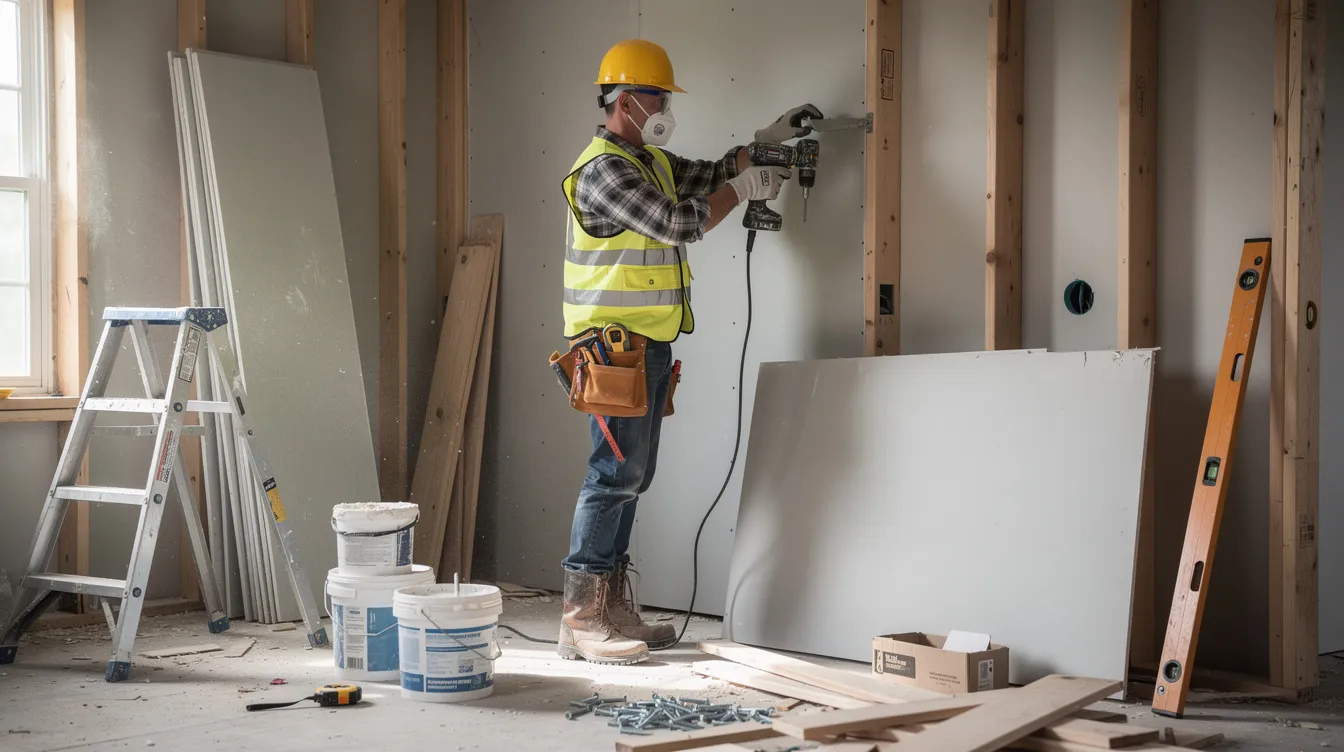
How Gap Funded Works Alongside Your Hard Money Lender
The most profitable real estate investors I work with don't rely on a single funding source. They build a capital stack: hard money covers the first lien, acquisition, and rehab draws. Everything else, the down payment, closing costs, earnest money deposit, reserves, and working capital between draws, comes from somewhere else.
That's where we come in. Gap Funded offers a soft credit pull pre qualification with no impact to your credit score, fast approvals, and no lien on the deal property. Your hard money and DSCR options stay open.
Our tools solve specific gaps:
- Down payment funding via 0% credit stacking or personal term loans
- Closing cost coverage without draining savings
- Rehab contingency reserves through business lines of credit
- Debt consolidation between projects to keep your borrower's creditworthiness clean for the next deal
Realistic qualification: best programs start at 650+ FICO with verifiable income or business revenue. Lower scores may still see options, but limits and pricing adjust. The key advantage over equity partners and gator lending: no equity splits, no profit shares, and no extra liens on the investment property. You keep the upside when the deal performs.
Ready to see what you qualify for? Apply for a free funding review before or right after submitting your hard money application so both pieces of the capital stack line up.
Final Take: Using Hard Money Loans Smartly in Your Real Estate Strategy
Hard money loans are a powerful access point for real estate investment opportunities when paired with a clear exit strategy, a solid investment plan, and enough capital to cover the gaps between what lenders fund and what the deal actually costs. The loan is one piece. The capital stack around it is what determines whether you're profitable or just busy.
Don't walk away from a good deal because you're short on down payment or rehab cash. That's a solvable problem. Map out your next property target, run conservative ARV numbers, talk to at least one hard money lender, and then apply at Gap Funded to see how much additional capital you can stack without giving up equity.
Once you understand both hard money lending and how to fill the funding gap, you can compete with cash buyers and seasoned pros on the same deals. That's the whole point.
Related Reading
This article is for educational purposes only and isn't financial, legal, tax, or investment advice. Credit and financing outcomes depend on your own situation. Talk to a licensed financial professional before making funding decisions for your business.