
Home Flipping Tips: A Practical Guide for First Time and Growing House Flippers

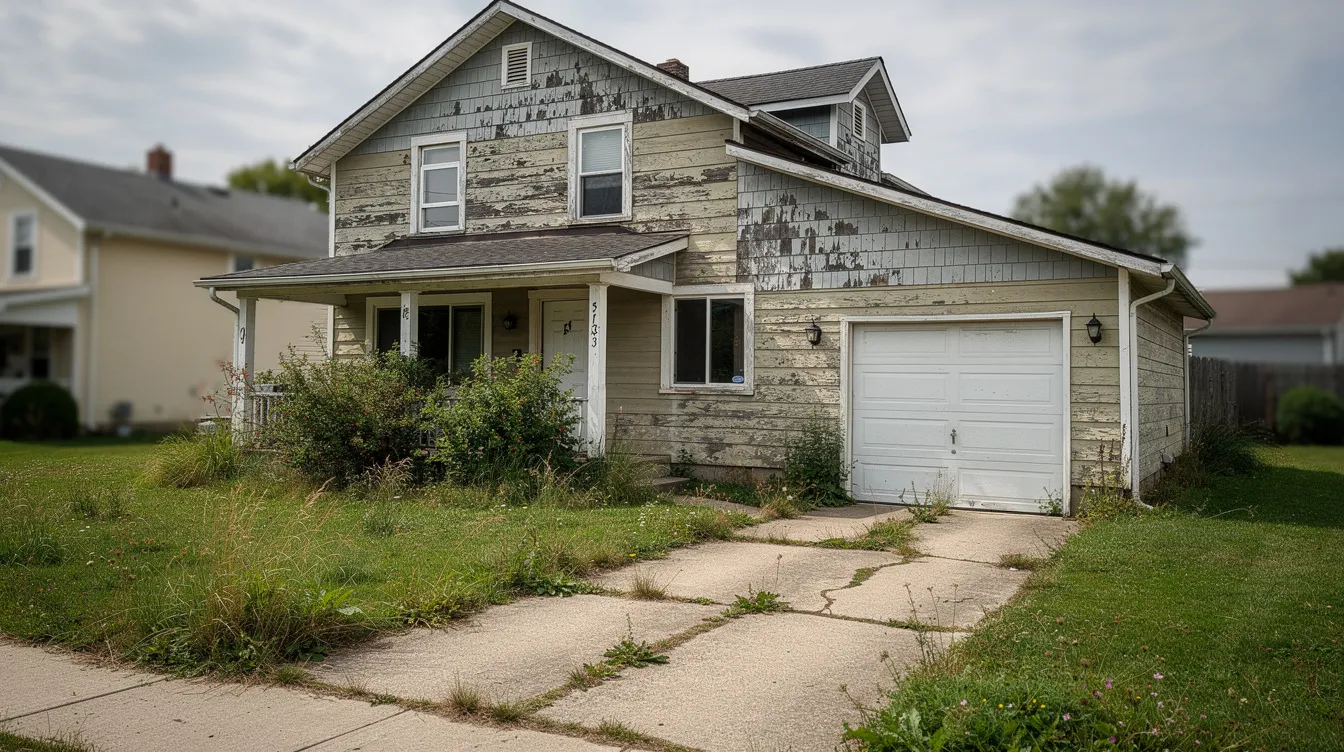
Most house flipping shows make it look like you buy a wreck on Monday, swing a sledgehammer by Wednesday, and pop champagne at a six figure closing on Friday. Real flipping is slower, messier, and a lot more spreadsheet than sledgehammer.
1. Start With a Realistic View of House Flipping (Not the TV Version)
House flipping means buying a property below market value, improving it through renovation, and reselling it within roughly 3 to 12 months. It is not a get rich quick scheme. It is a business, and businesses run on margins.
Here is what a real deal looks like. Say you buy a house for $220,000, spend $45,000 on rehab, and sell it for $325,000. Sounds like $60,000 in profit, right? Not after you subtract closing costs on both sides, financing fees, property taxes, insurance, utilities, and agent commissions. Your actual net profit might land between $20,000 and $30,000. According to ATTOM's 2025 data, the typical gross ROI on a flip sat at 25.5%, the lowest since 2008. Once all the costs are accounted for, net ROI often drops to single digits.
Or take a cleaner example: Jake bought a home for $300,000 and sold it for $400,000 after $50,000 in renovations. After closing costs, holding costs, and commissions, he cleared a decent return, but nowhere near the $50,000 headline number. Flipping houses requires a significant amount of capital for renovations and unexpected expenses.
First time flippers should treat this as a learnable skill with systems, not a lottery ticket. In this guide, I will walk you through the essential steps: understanding your local market, analysing deals, structuring financing, managing rehab, selling efficiently, and scaling safely.
2. Understand Your Local Real Estate Market Before You Flip a House
Location and data come first. The property comes second. Understanding local market trends is crucial for successful flipping, and many investors skip this step entirely.
Here is how to get smart about your local real estate market before you spend a dollar:
- Track the right metrics. Know your local market metrics like average days on the market, median sale prices, price trends quarter over quarter, inventory levels, and percentage of distressed sales. Use MLS access, Redfin, or Zillow as starting points.
- Use recent comps. Only look at sold properties from the past 3 to 6 months in the same school district, with similar square footage, age, and bed/bath count. Researching property values this way helps identify profitable flipping opportunities.
- Talk to people who actually flip. Attend at least one local REIA meetings or real estate investor meetup in the next 30 days. Build relationships with real estate professionals before urgent needs arise. You will hear what neighbourhoods are hot, what materials cost locally, and what potential buyers are actually demanding.
- Set target area criteria. Look for median home prices that leave room for a profit margin, strong buyer demand (growing population, good schools), mostly owner occupied streets, and limited active listings.
- Drive for dollars. Spend a Saturday afternoon scouting specific neighbourhoods for distressed homes, long vacant houses, and for rent by owner signs. It is the cheapest market research you will ever do.
In 2019, 6.2% of all home sales in the U.S. were from flipped homes. The market is real, but only if you pick the right local market.
3. Learn the Numbers: Essential Steps to Analyse Any House Flip Deal
House flipping is a numbers game. Every decision you make, from your offer to your paint colour, should be driven by the math. If the numbers do not work on a spreadsheet, they will not work in real life.
ARV (After Repair Value) is the estimated resale value of the property once renovations are complete. Analyse comparable sales to realistically price your ARV. Use at least three sold comparable properties from the same school district, within about half a mile, and adjust for differences. Study the local comparable sales meticulously before making an offer.
The 70% rule helps calculate the maximum purchase price for flips. Example: ARV of $300,000, estimated repairs of $50,000. Max offer = (0.70 × $300,000) minus $50,000 = $160,000. New flippers should stay conservative and not stretch this number.
A well planned renovation budget includes acquisition and renovation costs. Here are all the costs you need to account for:
| Cost Category | Examples |
|---|---|
| Acquisition | Purchase price, closing costs, earnest money |
| Financing | Interest, points, loan origination |
| Rehab | Labour, materials, subcontractors |
| Holding | Property taxes, insurance, utilities, loan payments |
| Selling | Agent commissions, staging, marketing |
| Contingency | 20% to 25% buffer on rehab estimate |
Always add 1 to 2 extra months of holding costs beyond your minimal timeline. Account for holding costs such as taxes, utilities, and insurance. Unexpected renovation costs can inflate a home flipping budget significantly.
A common mistake beginners make: using asking prices instead of sold comps, forgetting selling costs, or trusting contractor "ballparks" without written bids. Flippers sold for a gross profit margin of only 32.1% in 2022, and that is gross, before expenses. Discipline with numbers is what separates a profitable house flipper from someone who loses their own money.
4. Choose Your First Deal Wisely: What to Buy (and What to Avoid)
Your first flip should be boring. I mean that as a compliment. Properties with cosmetic issues often present better opportunities than those with serious structural problems.
- Ideal first flip: Cosmetic or light rehab. Paint, flooring, cabinets, fixtures, minor kitchen or bath refresh. Stable neighbourhood with strong resale value. Target homes with solid structural integrity for flipping.
- What to avoid: Major foundation issues, fire damage, extensive mold, rural properties with tiny buyer pools, or complex zoning problems. Major structural issues can significantly inflate renovation budgets.
- Example comparison: A 1960s 3 bed ranch in a well maintained suburb needing updating versus a circa 1900 triplex requiring structural, electrical, and plumbing overhauls. The ranch is a far safer first property, even if the profit potential is smaller.
First time flippers should prioritise simpler house flips to reduce financial risks and execution risk. Conduct thorough inspections before purchasing a property, especially older homes built before 1978 where lead paint is a real concern. Focus renovations where they matter most to buyers.
5. Funding the Flip: How to Stack Capital Without Overexposing Yourself
Here is where many investors hit a wall. You might qualify for a hard money loan or a DSCR loan for the purchase, but that still leaves a funding gap: down payment, closing costs, rehab draws, earnest money deposit, carrying costs, and reserves. House flipping requires significant capital, and unexpected expenses can wipe out cash flow during renovations if you have not planned for them.
Primary financing options for flipping houses:
- Hard money loans: 9 to 13% interest, short term (6 to 18 months), collateral heavy. Fast but expensive.
- DSCR loans: qualify on property income, good for buy and hold or post rehab refinance.
- Local banks or private lenders: sometimes more flexible, but slower and relationship dependent.
Each has a place. But none of them cover everything. That is where the funding gap shows up.
Gap Funded helps fill that gap with non dilutive capital: no equity splits, no liens on the flip property, soft credit pulls. We offer gap funding solutions for real estate investors, business credit card stacking at 0% intro APR for shorter term rehab costs, using a HELOC on your home or investment property to extract equity for down payments, and debt consolidation for over leveraged flippers who need to free up cash flow before taking on more deals.
Realistic qualification: a FICO of 650 or above is a solid starting point for many of our unsecured term loans and credit stacking options, along with verifiable income or equity in a property.
Want to see what you qualify for? A quick, no impact application takes minutes: check your options at Gap Funded.
6. Building Your House Flipping Team and Managing Rehab
Even experienced DIYers need a reliable team to scale flipping homes safely. You cannot be the investor, the project manager, and the plumber.
Key team members for any home flipper:
- An experienced agent who works with investors (good agents know reliable contractors for successful flips)
- A vetted general contractor
- Key subs: plumber, electrician, HVAC
- Building inspector, title company, and a funding partner
A solid house flipping team includes trusted professionals. Hire a top notch agent with flipping experience and build relationships with reliable contractors for timely renovations. Engage a mentor experienced in real estate flipping if you lack prior experience.
Vetting contractors:
- Check licences and insurance
- Verify at least 3 recent similar projects
- Get itemised bids, not verbal "ballparks"
- Pay 10 to 20% upfront, remainder tied to milestones
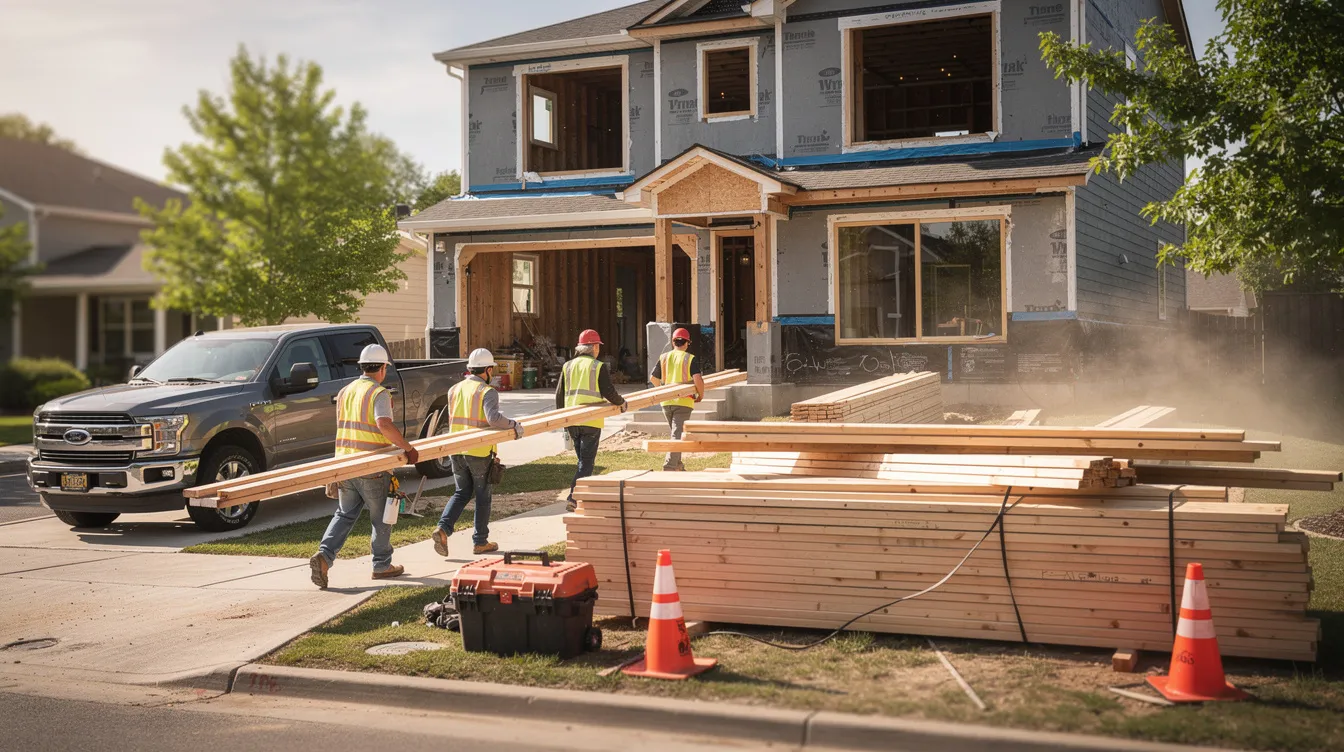
Effective rehab management means a clear scope of work, signed contracts, weekly walkthroughs, and milestone based payments. Vet multiple general contractors to minimise project delays.
The National Association of Realtors published a Remodeling Impact Report in 2022 confirming what most flippers already know: focus on kitchens and bathrooms for the best return on investment. Curb appeal, lighting, paint, and flooring also punch above their weight. Avoid luxury upgrades that do not match the neighbourhood.
Control project timelines to minimise holding costs. First time flippers should create a 6 to 12 week written timeline with buffer weeks built in.
7. Avoid These Common Mistakes That Kill Profits When Flipping Houses
Avoiding losses matters just as much as chasing returns. Here are the profit killers I see constantly:
- Underestimating renovation costs and timelines. New flippers often underestimate renovation costs and timelines. Imagine discovering framing rot and outdated electrical behind the walls: that is an extra $15,000 and six weeks you did not plan for. House flippers often face unforeseen renovation costs and delays. Budget overruns are the norm without careful planning and a detailed budget.
- Overpaying for the property. Many house flippers convince themselves "other investors are paying that much." Stick to your own numbers. Walk away if a good deal stops being one. The purchase price must leave room for profit after all the costs are covered.
- Over improving. Installing luxury finishes in a starter home area does not make potential buyers pay more money. It just means more money spent with no increase in resale value. Market research helps determine the right renovations for target buyers.
- Skipping necessary permits. Ignoring local zoning laws can lead to costly mistakes, stop work orders, fines, and failed buyer inspections.
- Poor cash management. Many new investors fail to plan for holding costs. First time flippers often lack a reliable team of contractors and start a flipping project with no reserves for unforeseen expenses, maxing out personal cards at high interest. That is where structured tools like debt consolidation or 0% business credit card stacking can save money and protect your financial discipline.
8. Selling the Finished Flip: Positioning, Pricing, and Marketing
Profit is not real until the property sells and closes. Your exit strategy should be your first thought, not your last.
- Price on sold comps, not wishful thinking. Overpricing a flipped home can increase holding costs. Realtor.com found that many flipped homes ultimately sold at roughly an 8.3% discount from their initial listing price. That discount eats directly into your profit margin.
- Stage it properly. Use neutral paint colours and classic fixtures to appeal to a broad demographic. Staged homes typically sell faster and for a higher price.
- Invest in visuals. Professional photos and virtual tours attract potential buyers. A professional photographer is not a luxury; it is a necessity. Effective marketing strategies include online platforms and social media.
- Partner with the right agent. An experienced agent who regularly sells in that neighbourhood understands what features matter: home offices, energy efficiency, open floor plans, or whatever your local market is demanding.
- Prepare for inspection. Complete punch lists, keep receipts and necessary permits handy, and fix obvious defects before listing.
A fast, clean sale protects you against market fluctuations and other factors that erode projected returns.
9. Scaling Your House Flipping Business Safely
Moving from one successful house flipping project to a repeatable business takes more than finding more deals. It takes systems.
After every flipping project, debrief: compare estimated versus actual costs, timeline, and profit. Document what went wrong. Consistent systems, deal criteria checklists, rehab templates, contractor vetting procedures, and budgeting models, let you handle more than one property at a time without losing control.
Smarter capital stacking supports growth. Combine primary financing with rapid gap funding for down payments, rehab, and working capital. Protect your credit, minimise high interest personal debt, and use tools like business lines of credit and 0% business cards strategically. Property prices and financing options will shift, so financial discipline and a contingency plan keep you in the game.
Many investors reckon they need more money to scale. Often, they actually need better capital structure. Whether it is your first flip or your fifteenth, do not let a funding gap stall a solid plan.
Ready to find properties and close your next deal without running out of capital? See what you qualify for at Gap Funded. Quick application, soft credit pull, no impact to your score.
Related Reading
This article is for educational purposes only and isn't financial, legal, tax, or investment advice. Credit and financing outcomes depend on your own situation. Talk to a licensed financial professional before making funding decisions for your business.