
HELOC Promotional Rates: How Intro Offers Really Work (and How to Use Them Strategically)


Lenders are waving low intro APRs around like free samples at Costco. And just like those samples, the real cost shows up when you commit to the full product. Here's what you actually need to know about HELOC promotional rates in 2026 before you sign anything.
1. Fast Answer: Are HELOC Promotional Rates Worth It in 2026?
A HELOC promotional rate is a temporary, discounted annual percentage rate that lenders offer on a new home equity line of credit to get you in the door. In 2026, these introductory offers typically sit between 4.99% and 5.99% for the promotional period, though some credit unions and regional banks push as low as 2.50% to 4.49% for qualified borrowers.
Promotional rates are usually 1.50% to 3.00% lower than standard rates during the introductory period. For real estate investors running a fix and flip or small business owners needing short term working capital, that discount can meaningfully reduce your interest rate burden during the first 6 to 12 months when cash flow is tightest.
But here's the part most ads skip: the headline intro APR is temporary. The long term variable rate, tied to the prime rate or another index rate, is what drives your lifetime cost. Chasing the lowest teaser without checking the margin, combined loan to value ratio, and closing costs is a common and expensive mistake.
At Gap Funded, we help investors and new business owners compare HELOC promotional offers against other tools like unsecured term loans and 0% business credit card stacking, so you pick the right capital for the right window.
2. How HELOC Promotional Rates Work (and Typical 2026 Structures)
A home equity line of credit promo rate is a temporary discounted APR on an equity line of credit, usually lasting 6 to 12 months. HELOCs function as revolving lines of credit allowing borrowers to draw and repay funds as needed, and interest on outstanding balances is only charged on the drawn amount, not the full maximum credit limit.
The two rate structure works like this:
- A fixed or discounted introductory rate. For example, an introductory rate of 2.49% APR lasting for 12 months, or a promotional rate of 4.250% APR available for six months.
- Once the promotional period ends, rates reset to the standard variable index rate. That's typically the prime rate (about 6.75% in mid 2026, per the Wall Street Journal prime rate index) plus a margin, often landing between 7.00% and 10.00% depending on your credit rating, combined loan to value, and whether the subject property is owner occupied or not.
Introductory rates for HELOCs may last up to 12 months, though 6 month terms are more common from larger banks.
Most HELOCs offer a 10 year interest only draw period followed by a 15 year amortising repayment term. Your HELOC payments can jump significantly when that draw period ends and you start paying principal balance plus interest.
3. Comparing HELOC Promotions vs Standard Equity Line of Credit Rates
Not all equity line of credit offers are built the same. Some give you a fixed interest rate intro then variable. Others skip the promo entirely and start at the standard variable rate from day one.
Here's what you're comparing:
- Standard HELOC (no promo): Variable APR from account opening. Standard HELOC rates average around 7.33% to 7.53%, and current average home equity lines of credit interest rates sit between 7.40% and 8.25%.
- Promotional HELOC: A discounted intro (say 5.50% for 6 months), then resets to a similar variable APR afterward.
Credit rates are built from an index (like the prime rate) plus a margin that depends on your FICO, combined loan to value, and property type. Some variable rate lines offer low intro APRs but higher margins afterward, so long term borrowers may pay more once the promotion ends.
Payment examples over 3 years on a $100,000 line amount, fully drawn:
| Period | Promo HELOC (5.50% then 9.00%) | Standard HELOC (9.00% flat) |
|---|---|---|
| First 6 months interest | ~$2,750 | ~$4,500 |
| Next 30 months interest | ~$22,500 | ~$22,500 |
| Total interest | ~$25,250 | ~$27,000 |
The promo saves roughly $1,750. Helpful, but not life changing unless you're planning to pay off or refinance well before the variable rate kicks in.
4. Eligibility Rules: CLTV, Credit Score and Property Type
Combined loan to value is the ratio of all loans secured against your property divided by the home's appraised value. Lenders cap it around 80% to 85% for home equity lines and home equity loans on a primary residence, sometimes stretching to 90% for strong borrowers.
Key eligibility thresholds:
- Owner occupied: Loan amounts typically from $10,000 to $500,000. Loan to value up to 80% to 85% CLTV. This is where you'll find the best home equity rates and the strongest promos.
- Investment homes and second homes: Smaller ranges like $10,000 to $150,000. Tighter CLTV caps of 70% to 80%. Promotional rates are not available for rental properties at most lenders.
- Credit score: HELOCs require a minimum credit score for eligibility. For the best HELOC promotional rates, you'll need a FICO of 740 or higher. Borrowers in the 650 to 680 range may see higher margins or no promo offers at all. Not all applicants will qualify for the advertised rate. Rates may vary based on individual creditworthiness and other factors like debt to income ratio.
- Property requirements: HELOCs typically require adequate property insurance coverage including flood insurance if the property is in a designated zone. Condos and PUDs may have a maximum loan to value of 80%.
Membership eligibility requirements apply at credit unions, so check before you apply.
5. Costs Beyond the Promotional APR: Fees, Closing Costs and Traps
The advertised promotional APR usually excludes closing costs, property taxes, insurance premiums, and third party fees. Your actual payment obligation is higher than the interest alone.
Common closing costs on an equity line:
- Appraisal fee: $300 to $800
- Title search and title insurance: $200 to $1,000
- Recording fees and flood certification: a few hundred dollars combined
- Attorney or document prep fees: varies by state
Closing costs for HELOCs range from $100 to $6,500 total. Some lenders waive them upfront but recapture the amount if the equity line closes within 24 to 36 months.
Traps to watch for:
- The intro rate may only apply if you make an initial draw of a minimum amount (e.g., $5,000) by a set date
- Application fees and early closure fees may offset the benefits of low promotional rates
- The maximum APR for HELOCs can reach 18%, meaning your variable APR has a ceiling but it's a high one
- Annual fees or inactivity fees can accrue interest on costs you didn't expect
- HELOCs secured by a property risk foreclosure if payments are not maintained after the promotional rate expiration. That's the part nobody puts in bold on the brochure
Your minimum monthly payment during the draw period usually covers interest only, but it doesn't include property taxes or property insurance. Budget for the full cash outflow, not just what the lender quotes.
6. HELOC vs Home Equity Loan: When a Fixed Rate Second Makes More Sense
Quick distinction:
- HELOC: A revolving credit line with a variable rate loan structure and flexible access to draw funds as needed
- Home equity loan: A fixed rate second mortgage with a set repayment term and predictable monthly payment
When a fixed rate home equity loan beats a promotional HELOC:
- Large single projects (e.g., $150,000 rehab) where you need the full loan amount upfront
- Long payoff windows of 10 to 20 years where a fixed interest rate protects you from rising rates
- BRRRR or buy and hold deals where stable principal and interest payments make budgeting easier
A fixed rate option means no payment shock after the introductory period and no guessing what the prime rate will do next year. The con: less flexibility than a home equity line, interest starts accruing on the full principal balance immediately, and you can't redraw as you pay down.
For investors deciding between these, consider whether your exit (sale or refinance) happens inside the promotional period or well after it.
7. Strategic Uses of HELOC Promotional Rates for Investors and Business Owners
Investors and entrepreneurs use promo HELOCs as a temporary low cost capital source for specific windows. The key word is "temporary."
Concrete use cases:
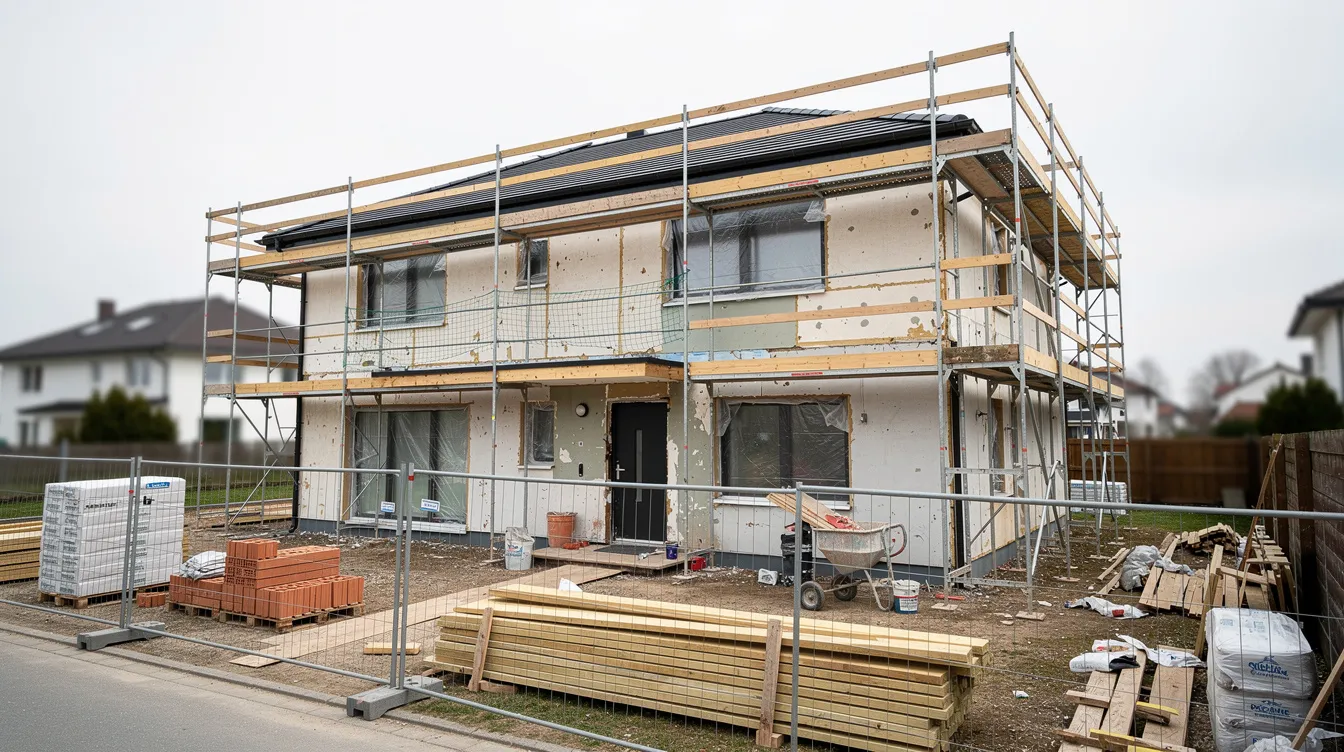
- Fix and flip or BRRRR rehab funding: Draw against your home's equity at the promotional rate, complete the rehab, and refinance or sell before the promo expires. Interest only payments during the draw period keep early cash flow light.
- Short term working capital: New business launch costs, inventory, or equipment funded cheaply during the introductory period.
- Debt consolidation: Paying off high interest debt like credit cards or merchant cash advances using the promo rate, then systematically paying down the HELOC before the variable rate bites.
Quick cash flow example: A $75,000 draw at a 4.49% intro rate costs roughly $2,806 in interest over the first 6 months. The same $75,000 at a 7.50% fixed rate costs about $3,750 for that period. That's nearly $950 saved, which buys a fair whack of materials on a rehab.
The risk: if timelines slip, rates rise, or the project doesn't refinance by the time the promotional APR resets, you're stuck paying the full variable APR on whatever principal balance remains. Plan your exit before you plan your entry.
Interest deductibility on a HELOC used for home improvements or investment purposes may apply, but talk to a tax advisor about your specific situation. Nothing here is tax deductible advice from me, I promise.
8. Where the Funding Gap Appears (and How Gap Funded Fills It)
Even with a strong home equity line or home equity loan, most investors still face gaps. Your first mortgage lender covers 70% to 80% of purchase. Your HELOC covers rehab. But what about the rest?
Common gaps:
- Down payment funding when the primary lender won't cover 100%
- Closing costs and prepaid reserves not covered by a HELOC
- Rehab overages, furnishing, and contingency for unexpected expenses on fix and flip or short term rental projects
- Working capital for new businesses that don't yet have 2 years of history or $20K per month revenue to qualify for traditional business funding
Here's how we solve these at Gap Funded, and the order matters because applying out of sequence can knock out later approvals:
- 0% business credit card stacking: 9 to 18 months at 0% for flexible short term costs like materials, marketing, education expenses, and travel.
- Unsecured personal term loans: Plug larger one time gaps like down payments, earnest money deposits, or large expenses that need a single disbursement.
- HELOCs: Including HELOCs on investment property when available equity supports it. A longer draw, reusable equity line for multiple deals. Use our HELOC calculator to estimate your available equity and line amount.
Why that order? Short 0% credit is ideal for fast turn expenses during promo windows. Term loans stabilise medium term funding without touching your home minus any existing liens. And HELOCs support reusable capital across your deal pipeline.
Many of our clients have a 650+ FICO and verifiable income but still don't meet strict bank credit qualifications for full funding. No equity splits, no liens on your deal property, soft credit pull to check options.
Start a no obligation funding review here →
9. How to Evaluate and Lock In the Right HELOC Promotional Offer
A promotional rate is a tool, not a strategy. The strategy is knowing what comes after it and having backup capital if timelines shift.
Your checklist before signing:
- Confirm the intro APR, length (6 or 12 months), and whether it's a fixed rate or tied to the prime rate
- Check the post promo margin and current prime rate to estimate your realistic long term variable APR. A minimum APR floor may also apply
- Review all closing costs, annual fees, and potential recapture or early closure fees
- Confirm CLTV, property eligibility, and maximum credit limit, especially for investment homes where credit approval standards are tighter
- Stress test your HELOC payments after the promotional period and after the interest only draw period ends. What's your actual monthly payment at the full variable rate?
- Confirm property value supports the line. The home's appraised value drives everything
Compare the HELOC against home equity loans and non equity options. For debt consolidation, business funding, or education expenses, a different tool might be cheaper over your actual timeline.
I reckon the smartest investors don't pick one tool. They layer them. If you want to see how a HELOC, stacked 0% cards, and term loans fit your next deal, we can map it out. No cost, no obligation, soft pull only.
Apply for a free funding review at Gap Funded →
As an equal housing lender disclaimer reminder: Gap Funded is not a lender. We connect you with the right capital tools for your situation. I'm not a CPA, attorney, or financial advisor, and nothing here is financial or legal advice.
Related Reading
This article is for educational purposes only and isn't financial, legal, tax, or investment advice. Credit and financing outcomes depend on your own situation. Talk to a licensed financial professional before making funding decisions for your business.