
Hard Money Loan Requirements: What Real Estate Investors Need To Qualify In 2026

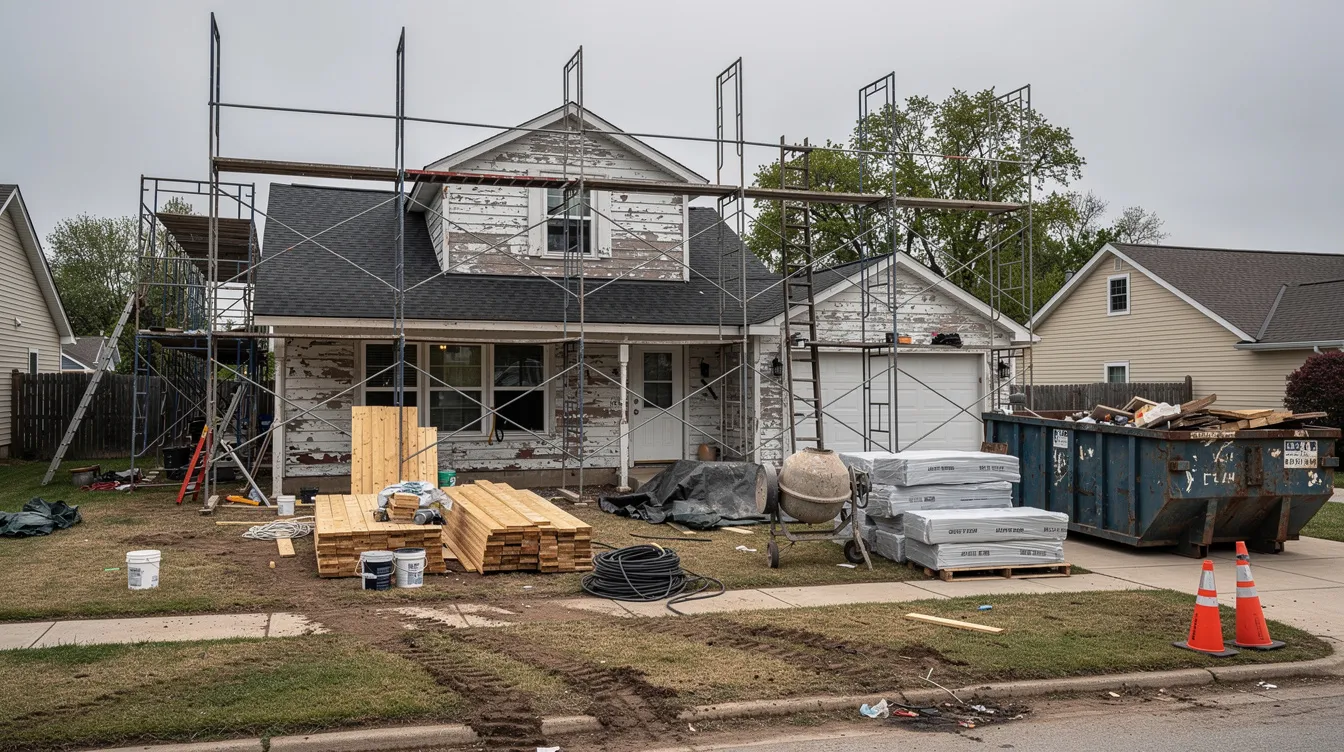
Hard Money Loan Requirements: What Real Estate Investors Need To Qualify In 2026
Most real estate investors don't lose deals because of bad strategy. They lose them because they can't get the capital lined up fast enough or they walk into a lender's office without knowing what's actually required. This guide breaks down every hard money loan requirement you'll face in 2026, from the property itself to your credit profile, then shows you how to fill the gaps when your own cash falls short.
1. Quick Overview: Core Hard Money Loan Requirements In 2026
A hard money loan is a short term loan secured by real estate, issued by private lenders or individual investors rather than banks or credit unions. Hard money loans are asset based financing options provided by private lenders or investors, and approval focuses primarily on the property's value rather than personal income. They're often used for flipping residential homes, and investors use hard money loans to buy rental properties quickly. Even homeowners facing foreclosure may seek hard money loans for quick cash.
Here's the fast version of what most hard money lenders want to see before they'll fund your deal:
- Down payment: 10% to 30% of purchase price, though hard money loans typically require a down payment of 20% to 40% on riskier profiles
- Loan to value / ARV: Lenders cap at 60% to 80% of the property's current value, or 65% to 75% of after repair value
- Loan term: Short repayment terms for hard money loans range from 6 to 24 months
- Interest rates: Hard money loans have interest rates between 8% and 15%, with solid borrowers landing around 9% to 13% in mid 2026
- Credit score: 620 to 660+ minimum for most lenders; better terms above 680
- Reserves: Proof of liquid cash reserves for loan payments and contingency
- Experience: Prior fix and flip projects or real estate investing track record preferred
- Exit strategy: A clear exit strategy is essential for repaying the short term loan
Compare that with a traditional mortgage, which can take 30 to 60 days to close, demands full income verification, pay stubs, and a debt to income ratio analysis. Traditional mortgages usually have lower interest rates around 6.75% and may require down payments as low as 3%, but the approval process is built for W2 earners buying a primary home, not real estate investors moving fast on a distressed property.
Gap Funded sits alongside your hard money financing as a capital stacking partner. We help borrowers cover the down payment, closing costs, and rehab capital that hard money lenders won't fund, without equity splits or liens on the subject property.
2. Property Requirements: What Hard Money Lenders Want To See In The Deal
In hard money lending, the property is the hard asset driving the approval. Hard money loans are flexible regarding property condition and often finance distressed properties that traditional lenders won't touch.
For residential investment property deals, lenders evaluate:
- Purchase price relative to comps: The purchase price should sit well below recent comparable sales, giving the lender a cushion
- Rehab scope: A detailed budget covering major systems (roof, plumbing, electrical) and cosmetics, with realistic timelines. Lenders seek proof of a viable investment plan, including renovation budgets and timelines
- ARV clarity: Recent closed comparable sales in the same submarket to justify your after repair value. Inflated ARV kills deals fast
- Neighbourhood quality: Active resale demand, reasonable crime stats, and appeal to end buyers or renters
For fix and flip deals, your purchase plus rehab should stay well below about 65% to 75% of ARV. BRRRR and rental property holds need proof the property can be stabilised within 12 to 18 months. Commercial property purchases can be financed with hard money loans too, though lenders typically cap leverage at 60% to 70% of as is or stabilised value on multi family, mixed use, or light industrial assets.
Common deal killers include environmental issues, major structural defects without a credible repair plan, restrictive zoning, or properties in markets with thin demand. A property appraisal is required for hard money loan applications, and most lenders also want a signed purchase contract, preliminary title report, rehab budget, and property photos before they'll issue a term sheet.
3. Asset Based Underwriting, ARV, LTV And Down Payment Expectations
Asset based underwriting means the lender cares more about the property's value and what it will be worth post rehab than about your W2 income or debt to income ratio. That's the opposite of how traditional bank and traditional mortgage lenders operate.
Here's a concrete example. You buy a distressed house for $250,000, budget $75,000 for rehab, and recent comps put the ARV at $425,000. A lender offering 70% of ARV would advance up to $297,500. Your total project cost is $325,000, so you need $27,500 in equity plus closing costs and early rehab outlays.
Key ratios for 2026:
| Metric | Typical Range |
|---|---|
| Loan to value (as is) | 60% to 80% |
| Loan to cost (purchase plus rehab) | 70% to 90% |
| ARV based leverage | 65% to 75% |
| Down payment required | 20% to 35% of purchase price |
Hard money loans require larger down payments of 20% to 40% compared to conventional financing. Lenders typically cap loans at 60% to 80% of property value. They want skin in the game, but that equity doesn't always have to come from your personal savings.
Most hard money loans for rehab use draw schedules: the lender reimburses completed work, so you need upfront cash for materials and contractors before the first draw hits. That's where gap funding and 0% credit card stacking can cover the shortfall without adding a lien to your deal property.
4. Borrower Requirements: Credit Score, Experience, And Reserves
While the asset is primary, most lenders still review the borrower. Credit score requirements for hard money loans are often more flexible than traditional loans, but "flexible" doesn't mean "anything goes."
- Credit: Most hard money lenders prefer a minimum credit score of 640 to 660+ for best terms. Below 620, expect a larger down payment, higher interest rates, and fewer options. Scores above 720 get lower fees and better leverage. Traditional lenders and mortgage lenders scrutinise credit reports and credit history far more heavily
- Experience: Hard money lenders often review the borrower's real estate experience to set terms. A professional home flipper with three or more recent deals may qualify for 70% to 75% ARV financing. New house flippers or individual investors doing their first deal will likely face reduced leverage and higher pricing
- Cash reserves: Lenders require proof of cash reserves for monthly payments and renovation costs, typically 3 to 6 months of interest only payments. Lenders may require documentation of cash reserves to cover interests and unexpected costs, shown through recent bank or brokerage statements
Documentation is lighter than conventional lending: government ID, LLC or entity docs, a personal financial statement, 1 to 3 months of bank statements, and a track record summary if you have prior deals. Lenders perform at least a soft credit pull and pay close attention to recent bankruptcies, foreclosures, or major delinquencies.
Most Gap Funded clients qualify starting around 650 FICO with verifiable income or a strong overall financial profile, and can use our capital to strengthen their position with any hard money lender.
5. Documentation Checklist: What You Need To Apply For A Hard Money Loan
Having a clean, complete package is the difference between closing in days and chasing paperwork for weeks. Hard money loans typically close in 5 to 15 days when everything is ready.
Deal and property documents:
- Signed purchase contract with all amendments
- Rehab scope of work with line item budget and 10% to 20% contingency
- Licensed contractor bids with insurance info
- Recent high resolution property photos (interior and exterior)
- Comparable sales supporting your ARV, or a broker price opinion
Title, legal, and entity documents:
- Preliminary title report or title commitment
- Existing current mortgage payoff statements if refinancing
- LLC articles of organisation, operating agreement, EIN, and certificate of good standing
Borrower documents:
- Government issued ID
- Credit authorisation form
- 2 to 6 months of bank statements showing funds for down payment and reserves. Borrowers must provide proof of funds for the down payment
- One to two page exit strategy summary (sale, cash out refinance, or rental hold)
- Tax returns for the last two years are typically required, especially for larger commercial bridge loans, though many fix and flip lenders are lighter on income documentation
A well prepared hard money loan application can shorten closing from 15 to 30 days down to about 5 to 10 business days. Our team at Gap Funded can help you assemble a professional funding package that impresses both hard money lenders and other capital sources.

6. Common Deal Types: How Requirements Differ For Fix And Flip, Rentals, And Commercial
Not all hard money loans are built the same. Requirements shift based on your exit strategy and property type.
Fix and flip: Short 6 to 12 month terms with interest only payments initially and a balloon at maturity. Needs strong ARV support, detailed rehab budget, and often prior experience. House flipping deals on short term projects carry tighter loan to cost caps.
Bridge loans: Hard money loans can serve as bridge financing for new property purchases. Requirements include proof of current mortgage balance, estimated sale proceeds from the property you're selling, and a realistic timeline to exit. Bridge loans often require interest reserves upfront.
BRRRR and rental holds: Lenders scrutinise market rent data, DSCR projections, and your plan to refinance into DSCR loans or conventional financing. Rental property loans typically need proof the property can be stabilised and tenanted. Loan terms for hard money loans last from 6 months to 3 years on longer hold strategies.
Commercial: Lower leverage (often 60% to 70% as is value), more attention to current and potential net operating income, plus third party reports like environmental assessments. Commercial property hard money financing is heavier on documentation.
Some lenders have minimum loan sizes ($75k to $100k floor) and geographic limits. Match your deal to the right lender profile before applying. Gap Funded fills the capital gap across all of these deal types, especially where down payment, rehab cost, and closing cost shortages threaten to stall a profitable investment.
7. The Funding Gap: Down Payment, Closing Costs, Rehab And Working Capital
For most real estate investors, the main barrier to meeting hard money loan requirements isn't the approval process. It's cash.
Consider a $300,000 purchase with $75,000 in rehab. Hard money loans require a down payment of 20% to 40%, so you're looking at $60,000 to $120,000 just for the down payment. Add 1.5 to 3 points in origination fees, another $10,000 to $15,000 in closing costs, plus tens of thousands in rehab outlays before the first lender draw reimburses you.
Hard money lenders rarely finance 100% of project costs. They won't allow the entire loan to cover everything. That creates real investor pain points: missed deals due to earnest money shortfalls, inability to front rehab work to reach the next draw, or tying up all personal savings in one project with no working capital buffer.
Gap Funded provides a separate capital layer: unsecured term loans, 0% APR business credit card stacking, and asset based tools to legally and ethically cover the uncovered portion. This isn't a replacement for hard money financing. It sits alongside it in the capital stack, helping you meet the lender's equity and liquidity requirements without giving up a slice of your deal.
Ready to see what you qualify for? Start a no obligation funding review at Gap Funded. Soft pull, no credit impact.
8. How Gap Funded Helps Investors Qualify: Tools That Close The Capital Stack
Once you understand hard money loan requirements, the next step is assembling a full capital stack that satisfies the lender and keeps your own cash position healthy. Here are the tools we use, in the order that matters:
- Unsecured gap funding and personal term loans for earnest money, down payment, and reserves. Fast to set up, no lien on your deal property
- 0% business and personal credit card stacking for short term working capital, materials, or supplies before draws begin
- HELOCs and asset based capital using equity in a home or investment property for larger gaps
- Business lines of credit and revenue based funding for established businesses managing multiple projects
Order matters because applying out of sequence can knock out later approvals. Unsecured tools come first, then asset based, then revenue based.
Typical clients need a 650+ FICO, clean recent credit history, and verifiable income or strong financials. New businesses can still qualify on personal credit if they haven't hit the 2 year, $20k per month revenue threshold for traditional financing and traditional loans.
I'll be candid: unsecured gap funding costs more than a traditional mortgage or a home equity line of credit. But it's cheaper and less dilutive than partnering with gator lending that takes a percentage of your profits, and it's faster than waiting for a conventional lender to approve you.
Gap Funded is complementary to hard money lenders. We help borrowers bring real cash to the table without giving up equity or stacking liens on the subject property.
Check your options with a no obligation funding review. Soft pull, quick execution, no impact to your credit.
9. Evaluating Hard Money Lenders And Making A Smart Financing Plan
Choosing the right hard money lender is as important as choosing the right deal. Here's what to look for:
- State licensing and transparent fee disclosures (points, late fees, extension penalties)
- Realistic closing timelines backed by actual track record
- Independent title and escrow companies (not ones the lender controls)
- Clear draw schedules with inspection requirements defined upfront
- No large non refundable "commitment" fees before you have a written term sheet
Model your total cost of capital before you commit. That means interest rate multiplied by loan term, origination points, all fees, extension costs if the project runs long (borrowers may face high fees for extending hard money loan terms), plus any gap funding costs. Compare the entire loan cost against your projected profit. If the numbers don't work on paper, they won't work in real life.
Remember: failure to repay a hard money loan can lead to foreclosure. Hard money loans have interest rates between 8% and 15%, so these are best used as short term bridge financing tools, not permanent debt. If a borrower defaults, the lender takes the property. That's the nature of a secured loan backed by a hard asset.
Reinforce your exit strategy from day one. Whether it's a sale, a cash out refinance, or a longer term hold with stabilised rental income, the exit determines everything: acceptable rate, loan term, leverage, and shorter penalty periods.
Here's what you should now know: the core hard money loan requirements, how property and borrower underwriting work, what documentation to prepare, how requirements shift by deal type, and where the real funding gap lives. Most importantly, you know that gap is fixable.
See how much unsecured and asset based capital you can stack alongside your hard money loan. Takes a few minutes. No credit impact.
If you're a broker, wholesaler, or connector sending deals to hard money lenders, check out our partners programme. We make your borrowers more fundable, which makes your deals more closable. Fair dinkum, it's a good arrangement for everyone involved.
Related Reading
This article is for educational purposes only and isn't financial, legal, tax, or investment advice. Credit and financing outcomes depend on your own situation. Talk to a licensed financial professional before making funding decisions for your business.