
Hard Money Lenders in Pennsylvania: Fast Capital, Real Rates, and How Gap Funding Fills the Missing Pieces

Hard Money Lenders in Pennsylvania: Fast Capital, Real Rates, and How Gap Funding Fills the Missing Pieces
Quick Answer: How Hard Money Loans Work in Pennsylvania (and When They Actually Make Sense)
Most Pennsylvania real estate investors hit the same wall. You find a deal, line up a hard money lender, get a term sheet that looks great on paper, and then realise you still need $30,000 to $50,000 in cash to actually close. That gap is where deals die quietly.
Hard money loans are short term loans, typically 6 to 24 months, secured by real estate. Unlike traditional loans that require extensive documentation and longer approval times, hard money lenders focus on property value, not borrower credit. Loan amounts can range from $15,000 to $30,000,000, and they typically offer same day approvals for quick access to funds. After repair value (ARV) determines loan amounts for fix and flip projects, making these loans ideal for quick real estate investments. They can close in as little as three days, which is why fix and flip investors often need fast access to capital in the first place.
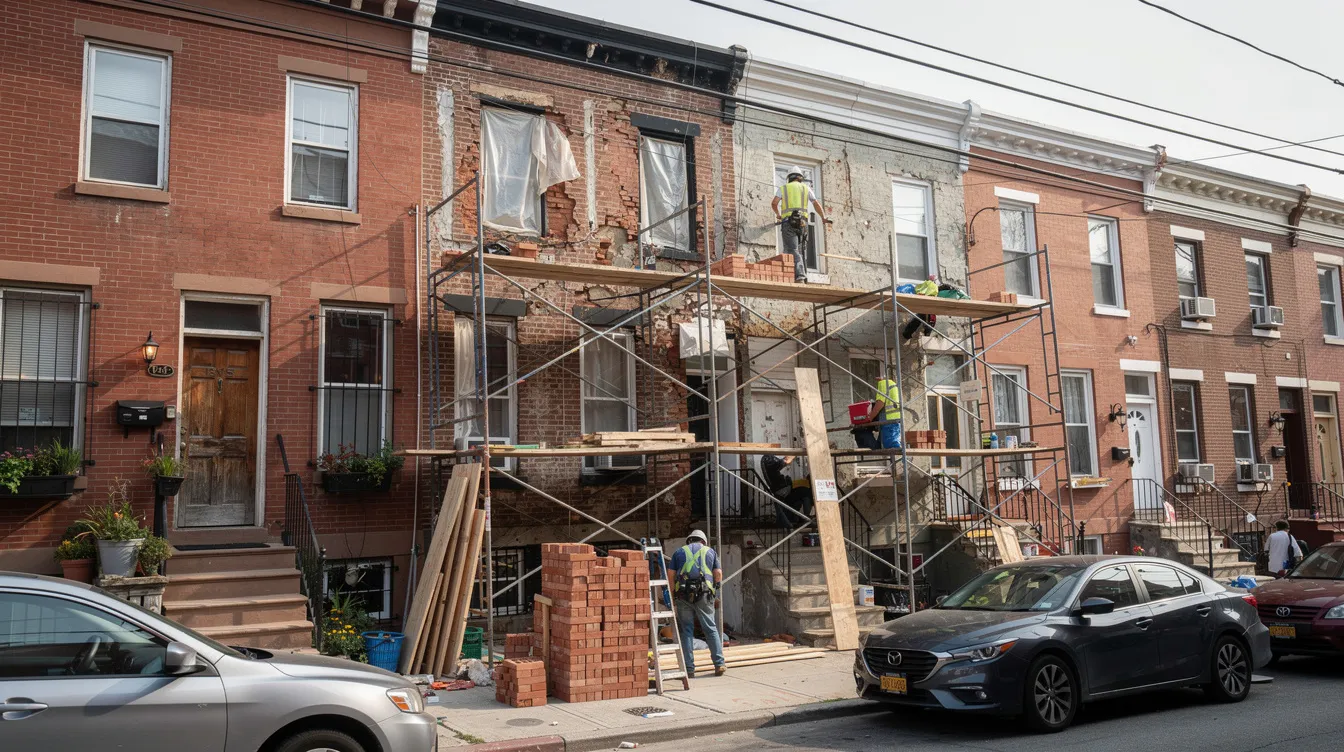
Common use cases across Pennsylvania: fix and flip in Philadelphia rowhomes, small multifamily rehabs in Pittsburgh, bridge loans for under market deals in Allentown, Erie, Harrisburg, and Lancaster. Here is how hard money stacks up against bank financing:
- Speed: 3 to 10 days vs 30 to 60 days for conventional lenders
- Interest rates: 9% to 13%+ vs 6% to 8% for traditional mortgages
- Leverage: up to 85% to 90% of purchase or 70% to 75% of ARV
- Documentation: minimal income verification vs full tax returns, pay stubs, DTI analysis
The pain point nobody advertises: even many hard money lenders rarely fund 100% of purchase plus rehab plus closing plus reserves. That leaves a funding gap of 10% to 30% that you still need to bring. Gap Funded does not replace Pennsylvania hard money lenders. We stack reliable capital on top of them to cover down payment, closing costs, rehab, and working capital so you can actually get to the settlement table.
What Is a Hard Money Lender in Pennsylvania?
In the Pennsylvania lending world, "hard money lender" and "private money lender" get used interchangeably, but there is a distinction. A leading hard money lender is typically a licensed company, fund, or dedicated lending shop, not just a wealthy mate writing cheques from a personal account.
- Pennsylvania hard money lenders base approvals on asset value and exit strategy: purchase price, ARV, rehab budget, and investor experience, rather than strict DTI or W-2s
- Hard money loans cannot be used for primary, owner occupied residences; borrowers are generally LLCs or business entities
- Lenders evaluate deals based on the property's condition, expected after repair value, and renovation budget
- Lenders generally require a clear exit strategy before approving a hard money loan, whether that is sale, BRRRR refinance, or a DSCR rental loan
- Common deal types: fix and flip loans in older housing stock (Philadelphia, Reading, Scranton), flip loans in smaller western PA towns, bridge financing for quick closes, and rehab loans for small mixed use buildings
- Hard money lending fills the gap when banks will not finance distressed, vacant, or heavy rehab properties, or when the closing timeline is under 30 days
Key Uses of Hard Money Loans in Pennsylvania Real Estate Investing
Different property types and strategies call for different loan types. Here is what Pennsylvania investors actually use hard money for:
- Fix and flip: buying $60,000 to $150,000 distressed rowhomes in Philadelphia, Pittsburgh, and Harrisburg, funding rehab through draw schedules, then listing at ARVs of $180,000 to $350,000. Fix and flip loans cover up to 90% of project costs in many programs. Hard money loans are ideal for quick fix and flip projects where speed beats everything.
- Smaller market flips: properties in York, Altoona, or Erie where purchase prices can be under $75,000. Hard money loans provide quick turnarounds even in these thinner markets.
- Bridge loans: bridge loans provide quick financing for real estate transactions, helping investors secure properties while arranging long term financing. They are ideal for fast moving real estate markets. Loan amounts for bridge loans can range from $150,000 to $30,000,000 and can close in as little as 24 hours.
- Ground up construction: some Pennsylvania hard money lenders fund cities' infill townhome or new construction projects in suburbs like Montgomery County or Lehigh Valley, often financing 100% of vertical construction but requiring land equity and cash reserves.
- Rental and BRRRR strategy: acquire and renovate a rental property with hard money, then refinance into a 30 year DSCR loan once stabilised. Typical PA cash flow markets include Reading, Scranton, and Lancaster.
- Wholetail deals: short term flips where the investor holds 60 to 120 days, does a lipstick rehab, and sells. Speed matters more than a slightly higher interest rate.
Costs of Hard Money in Pennsylvania: Interest Rates, Points, and Realistic Terms
Hard money lending carries higher risks and costs than conventional mortgages, and the pricing reflects that. Interest rates for hard money loans generally range from 8% to 15%. Here is what the current Pennsylvania market looks like:
- Interest rates: 9% to 11% for experienced investors on straightforward deals; 11% to 13%+ for new investors or properties in small towns with thinner comps. Interest rates for hard money loans are higher than traditional loans across the board.
- Origination points: 1% to 4% of the loan amount. More risk, more points. Competitive rates exist but depend on borrower experience, leverage, and exit plan.
- Other costs: underwriting fees, doc fees, appraisal or BPO, title and recording, draw inspection fees, and in some cases prepayment penalties or minimum interest periods
- Repayment terms: typically last between 6 to 24 months, often with interest only payments
- Sample PA deal structure: purchase $170,000, rehab $55,000. Lender funds 85% of purchase plus 100% of rehab. Investor must bring roughly 15% down payment plus closing costs, insurance, appraisal, and interest reserves, totalling approximately $37,000 in cash.
Borrowers are typically required to provide substantial down payments, often 20% to 40% of the purchase price depending on the programme. Some lenders advertise competitive rates, but you need to look at the full APR and total cash to close, not just the headline number. This is exactly where Gap Funded specialises: not replacing hard money, but making the numbers actually work.
The Real Funding Gap: Where Pennsylvania Hard Money Lenders Stop, and Investors Still Need Cash
Nearly every Pennsylvania hard money loan leaves a gap. Hard money lenders often fund a percentage of the purchase price and renovation budget, but they do not cover everything. Gap funding bridges shortfalls in real estate financing by covering costs like down payments and closing costs.
The most common unfunded pieces on Pennsylvania deals:
- 10% to 20% down payment on purchase
- Lender required reserves and proof of funds
- Appraisal, title, closing, and insurance costs
- Rehab overages and contingency (10% to 20% of rehab budget)
- Carrying costs: interest, utilities, property taxes during the hold
- Earnest money deposits to lock the deal
Hard money loans often come with aggressive foreclosure timelines compared to conventional loans, so running short on cash mid project is not just inconvenient, it is dangerous. Many investors search for "100% hard money loans" but true 100% financing from a single lender is rare and significantly more expensive.
Gap Funded works as a funding intermediary that stacks unsecured and asset based capital on top of your primary hard money loan. No equity splits, no liens on the deal property, and you keep 100% of your upside. That is what gap funding was built for.
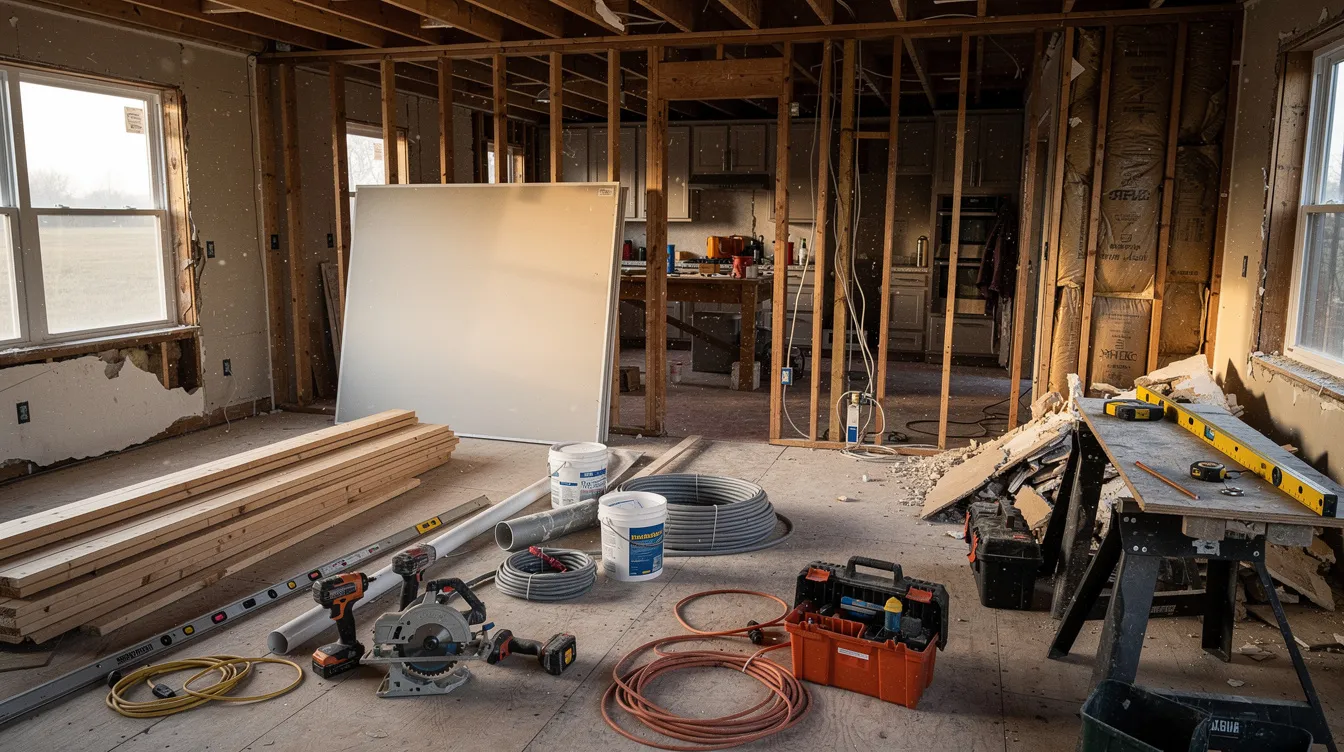
How Gap Funded Works Alongside Pennsylvania Hard Money Lenders
Gap Funded is not a hard money lender. We are not competing with your Pennsylvania hard money lender for the first lien position. We cover the pieces they will not touch.
The tools we use, in the order that matters:
- Unsecured personal term loans for down payments, closing costs, or full rehab budgets on smaller PA flips
- Credit card stacking at 0% APR for materials, labour draws, and carrying costs
- HELOCs and asset based options for investors with equity in a primary residence or other investment property
- Business lines of credit for established operators
- Revenue based term loans for businesses generating $20,000+ per month
Why this order? Start with unsecured and 0% APR tools for speed and flexibility. Then layer in HELOCs where collateral makes sense. Revenue based capital comes last because it requires an established business. Gap funding is also available for new business owners needing capital, though requirements include two years in business and $20,000 monthly revenue for business funding products specifically.
Realistic qualifications: 650+ FICO, verifiable income or strong co borrowers, and a clear plan. We use soft credit pulls initially so checking your options does not hurt your score.
Ready to see what you qualify for? Start a no obligation funding review here before locking in your next deal.
Gap Funding Tools That Pair Best With Pennsylvania Hard Money Loans
Different deals call for different tools layered on top of your hard money loan. Here is how each one fits:
- Unsecured personal term loans: 3 to 7 year fixed terms covering down payments, closing costs, or rehab budgets. Great for smaller PA flips where the gap is $15,000 to $50,000. Learn more about gap funding.
- Business credit card stacking (0% APR): stack multiple 0% intro APR cards to create $50,000 to $150,000+ of revolving capital. Ideal for materials, labour draws, and carrying costs during a fix flip project.
- HELOCs: if you own a property with equity in Pennsylvania or elsewhere, pulling funds via a HELOC gives you lower cost capital to pair with hard money.
- Business lines of credit and revenue based funding: for established contractors, property managers, or investors generating $20,000+ monthly. Covers working capital across multiple concurrent projects.
- Debt consolidation: consolidating high interest personal debt frees up monthly cash flow, improves your credit utilisation, and helps you qualify for better funding on your next project.
All of these are non dilutive. No equity partners. No profit splits. You keep your upside.
Fix and Flip Case Examples in Pennsylvania: Combining Hard Money Loans with Gap Funding
Here is what capital stacking actually looks like on real Pennsylvania deals:
- Philadelphia rowhouse fix and flip: 3 bed shell in Brewerytown. Purchase $170,000, rehab $55,000, ARV $330,000. Hard money covers 85% of purchase and 100% of rehab. Cash gap: roughly $37,000 for down payment, closing costs, and reserves. Unsecured term loans plus 0% card stacking close that gap entirely.
- Pittsburgh duplex BRRRR: dated duplex in Lawrenceville. Purchase $95,000, rehab $45,000, ARV $220,000. Hard money covers acquisition and rehab. Credit card stacking handles materials and labour draws. Once stabilised and rented, refinance into a DSCR loan to pay off the hard money and unsecured debt.
- Suburban ground up construction: small builder doing a single family home in Cranberry Township. Hard money finances most vertical costs but requires $60,000+ in cash for equity and contingency. A mix of unsecured term loans and a HELOC on the builder's residence covers it.
- Small town flip in Erie: purchase $55,000, rehab $30,000, ARV $130,000. Tight margins mean rehab overruns kill the deal. A modest $25,000 to $30,000 Gap Funded facility (cards plus personal term loan) acts as a contingency buffer layered onto the hard money loan.
Median gross flipping profit in Pennsylvania was approximately $72,900 per flip in Q3 2025. Protecting that margin means modelling every dollar of cash outlay before you commit.
Alternatives and Complements to Hard Money Lenders in Pennsylvania
Fair is fair. Hard money is not the only financing option for Pennsylvania investors.
- Conventional bank financing: lower interest rates, but much slower timelines and reluctance to finance heavy rehabs in older PA housing stock. Traditional lenders require deep documentation and will not touch distressed properties.
- DSCR rental loans: excellent as a long term takeout strategy, not a primary acquisition tool for distressed deals. Pennsylvania is a judicial foreclosure state, requiring lenders to go through court to foreclose, which affects risk calculations on all loan types.
- Private money from friends, family, or partners: flexible, potentially lower rates, but limited scalability and frequent demand for equity or profit splits.
- Gator lending and transactional funding: great for wholesalers doing assignments and double closes, but typically more expensive and tactical than a full hard money plus gap funding stack.
Tax laws regarding interest rates and lending licenses in Pennsylvania can be complex and location specific, so always work with a qualified attorney on deal structure. Hard money lenders may provide funds in stages as renovations progress, which creates cash flow timing issues that gap funding tools can smooth out.
Gap Funded sits as a flexible layer on top of any of these strategies whenever a down payment, EMD, or rehab shortfall threatens to kill a deal.
How to Get Started: Pairing a Pennsylvania Hard Money Lender with Gap Funded
Four steps. No fluff.
- Identify or line up a Pennsylvania hard money lender for your fix and flip, rental, or construction deal. Get a term sheet with real numbers.
- Estimate your full cash to close including down payment, closing costs, rehab contingency, and holding cost gap. Model it honestly. If you reckon it is $30,000 to $50,000, it probably is.
- Submit a quick application to Gap Funded. Gap funding can be obtained through a quick application process, and we will show you what tools you qualify for.
- Structure a combined capital stack that covers 100% of your real world project needs so you can close quickly and move on to your next deal.
Qualification guidelines: Pennsylvania investors or business owners with 650+ FICO, verifiable income or revenue, and a clear plan for repayment through your exit strategy (sell, refinance, or business cash flow). We use soft credit pulls for initial review, provide options without equity splits or liens on the subject property, and move fast so you can meet tight hard money closing timelines.
Pennsylvania investors do not have to walk away from good real estate investments because their hard money lender will not go to 100%. Gap Funded exists to close that last stretch of the capital stack so you can hit your real estate investment goals without giving up equity or scrambling for cash.
Start your funding review here. If you are a hard money broker, wholesaler, or loan officer who sends deals our way, check out our referral partner programme.
Your first deal or your next project, the capital should not be the thing that stops you.
Related Reading
This article is for educational purposes only and isn't financial, legal, tax, or investment advice. Credit and financing outcomes depend on your own situation. Talk to a licensed financial professional before making funding decisions for your business.