
Gator Lending for a Fix and Flip: The Hidden Rules Nobody Markets

Gator lending is a short-term private money strategy for real estate investors who need fast capital for earnest money deposits or deal funding. It promises up to 100% financing, but the fine print reads the same whether it is called gator lending or repackaged as private gap funding: a 680 credit floor, a bundled first lien requirement, a leverage cap that can put a second property at risk, a policy that excludes the borrowers who need it most, and a cost stack that adds up fast.
Introduction
Gator lending is a short-term real estate financing strategy for real estate investors. This article covers what Gator lending is, its requirements, costs, risks, and alternatives. It is designed for real estate investors—especially those involved in fix and flip projects—who need fast, short-term capital to close deals. Understanding Gator lending matters because it can provide quick access to funds for earnest money deposits or deal funding, but it comes with strict requirements and significant costs that investors must weigh carefully.
Summary: What Is Gator Lending Used For?
Gator lending provides fast, short-term capital for real estate investors, often for earnest money deposits or quick deal funding. It is not used for personal expenses or traditional loans.
What Is Gator Lending?
Gator lending is a short-term real estate financing strategy designed for quick access to funds like earnest money deposits. It provides fast capital for real estate investors, often for short-term needs, and is not commonly used for personal expenses or traditional loans. The method is popular among wholesalers and fix and flip investors who need to move quickly on deals. Gator lenders provide capital for short-term real estate needs, such as covering earnest money deposits (EMD) or bridging funding gaps, enabling investors to secure contracts and close deals when traditional financing is not an option.
The idea of easy money from a stranger on the internet was never quite what it looked like. Whether it is called gator lending or repackaged as private gap funding, the fine print reads the same: a 680 credit floor, a bundled first lien requirement, a leverage cap that can put a second property at risk, a policy that excludes the borrowers who need it most, and a cost stack that adds up fast.
If you have spent any time around fix and flip investors online, you have probably heard about Gator lending. A private investor puts their own money into your deal in second position, behind your hard money loan, and your cash to close problem disappears. Up to 100% financing. Little to no money out of pocket.
It is a compelling pitch, and it has recently been repackaged under a smoother name: private gap funding. Same structure, better marketing.
Before you count on it to close your next deal, it is worth understanding exactly what it takes to qualify, what it costs, and where it can go wrong. This guide breaks down the real requirements, the true cost stack, and the alternatives that work for investors who do not fit the narrow box gator lending is built for.
What Is Gator Lending and Earnest Money Deposit in Real Estate?

Gator lending is a form of private gap funding where an individual investor puts capital into your fix and flip deal in second position, layered behind your primary hard money or bridge loan. The name comes from the informal, relationship-driven way these deals used to get done, often through Facebook groups and local investor meetups, before capital sources started formalizing the process with published fee schedules. They are still legally binding short-term lending documents, not informal handshake deals. Basically, a gator lender uses private money from private lenders to help fund fast-moving real estate deals, including earnest money, double closings, or a deal with an end buyer ready to close, as part of creative financing in real estate investing.
What is an Earnest Money Deposit (EMD)?
An earnest money deposit (EMD) shows a buyer's seriousness, is often required to secure a purchase contract, and can be as high as $5,000 or more. EMDs are a critical part of many real estate transactions, especially in competitive markets or wholesale deals, and gator lending is often used to cover this upfront cost.
Most hard money lenders only finance up to about 70 to 75% of a property's after-repair value, or ARV. Gap funding in real estate exists to cover that remaining shortfall, whether it is the acquisition cost, rehab budget, or closing costs. In theory, that combination gets an investor to 100% financing without using their own cash.
In practice, gaining access to that gap capital comes with a specific, narrow set of gap funding requirements that rarely show up in the marketing, even though agreements are often customizable between the lender and borrower within that narrow structure.
The Pitch vs. the Reality
The pitch is simple: up to 100% financing with little to no money out of pocket is not just cash to close but, in many cases, fast short term funding or gator funding for an earnest money deposit tied to a purchase contract. An earnest money deposit is the deposit that shows the seller the buyer is serious, is often required to secure a purchase contract, and can run $5,000 or more on some deals.
The reality is a narrow eligibility box, and most of what makes it narrow never appears near the headline, especially with gator lending in real estate. Here is what actually determines whether you qualify.
Eligibility Requirements
- You Cannot Shop for Gap Funding Separately
- Gap funding of this kind is typically only available bundled with that same lender's own first position hard money loan. Most hard money lenders will not allow a second lien behind a different lender's product, because it puts their own position at greater risk if the deal underperforms.
- If your acquisition loan is already placed with a different lender, this option is usually off the table before the conversation even starts.
- There Is a Hard Credit Floor
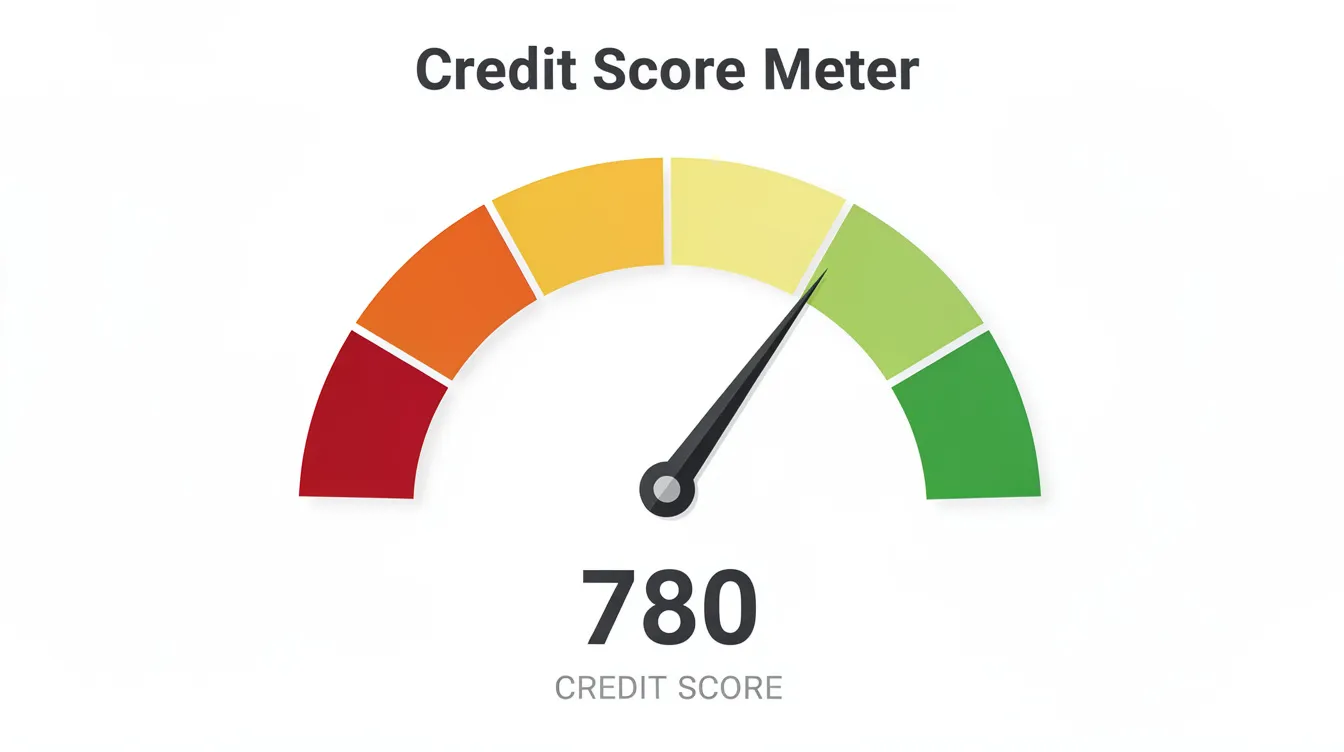
- Expect a 680 minimum FICO score, often with zero exceptions. According to Experian's credit score data, a FICO score in the 670 to 739 range is considered "good," while 740 and above is "very good" to "exceptional." A 680 floor sits right at the low end of good, which tells you these lenders are underwriting the operator, not just the deal.
- There Is a Leverage Cap, and It Can Force You to Pledge Another Property
- Combined financing, meaning your first lien plus the gap funding together, typically has to stay under roughly 70 to 75% ARV, with the agreed purchase price also factoring into the leverage calculation, in line with standard fix and flip loan structures.
- Go over that cap and you may be required to pledge a separate property you already own as collateral to secure the difference.
Risks of Cross Collateralization
This is a form of cross collateralization, and it carries real risk. If the lender decides the projected profit no longer works after the extra leverage, or if the flip underperforms or you fall behind on payments, a default can put both properties at risk, not just the one you were trying to finance. Cross collateralization also makes it harder to sell or refinance either property independently down the road, since both are now tied to the same obligation.
- It Is Not Actually Built for Borrowers Who Need It
- Gap funding programs like this are frequently designed for borrowers who want to use other people's money strategically to preserve their own capital, not for borrowers who cannot close without it. That policy is often stated directly by the lender.
- You still need proof of funds, which is one way these programs are positioned as more flexible than traditional lenders while still excluding borrowers who truly need the money to close.
- You Get Personally Vetted
- Many of these arrangements include a borrower interview and a written bio, essentially a resume, so the capital source can evaluate you as a person and not just the numbers on the deal, and some capital sources also tailor the agreement to the specific deal and borrower.
- At the end of the day, the capital source has to be personally comfortable with you. That is not underwriting in the traditional sense. It is a judgment call, often from an individual investor with spare cash who is willing to lend on a deal-by-deal basis, deciding whether your deal is where they want to park it.
- Timing Has to Be Exact
- You typically need to raise the need for gap funding at the very start of a fast-moving process, where the pace from contract to closing depends on quick coordination and steady deal flow before you are far into underwriting on the primary loan.
- In wholesaling-style structures, the title company and buyers need to be lined up early because the timing depends on everyone being ready. Bring it up late and you risk blowing up your entire timeline.
- Even when everything goes smoothly, closings on these structures often run three to four weeks, and sometimes closer to two months. In the cleaner version of gator lending, the capital is meant to turn over quickly and be repaid fast once the exit happens. By the time that clears, the deal you were trying to fund may already be gone. Transactional funding is built to let a wholesaler purchase a property and instantly resell it when the end buyer is ready.
The Real Cost Stack
Here is where the math gets uncomfortable. A typical stack looks something like this:
Origination Fees
- 2% or more in origination fee on the primary hard money loan
- Another 2% or more in origination fee on the gap funding itself
Connector Fees
- A 2% to 5% connector fee for whoever introduced you to the capital source, and some deals add a point or more upfront on top of that
- A flat transaction coordinator fee, often around $1,000
Total Cost Comparison
- A fee-based split or high interest charge that can equate to a 15% to 25% return on the gap piece for however long the flip takes to sell or refinance
However the structure is presented, the borrower still has to pay each layer of fees and returns.
Some operators describe this as a short term loan, while others paper it as transactional funding or a short-term joint-venture style arrangement, but the cost still hits the borrower; running the numbers through a gap funding calculator can make that total cost more visible.
On a typical six month flip, that 15% to 25% targeted return annualizes to somewhere between 30% and 50%, which is well above the 9% to 12% range typical of standard fix and flip hard money loans on their own. Every layer stacks on top of the last, and the borrower absorbs all of it.
Why "Private Gap Funding" Is Just Gator Lending With a Fee Schedule
Formalizing gator lending into private gap funding—or calling it the gator method—did not change the underlying economics or remove the relationship dependency that made it risky in the first place. It just gave that dependency a price tag.
You are still building trust with an individual person over time, the same way you would build a relationship at a networking event, even if Gator lending for real estate investors and Pace Morby are most associated with popularizing the term and the broader creative financing discussion around it. It just costs more now, and it comes with a personal interview attached, with branding that also plays on the idea that the lender takes a bite of the deal through fees or return requirements.
Who Gets Locked Out, and What Actually Works Instead
If your credit is under 680, you actually need the capital to close, or your primary loan is already placed with a different lender, gator lending was likely never available to you in the first place. That does not mean you are out of options, and investor community opinion is mixed because some see these structures as useful for preserving cash while others view the cost and restrictions as too steep.
Alternative Funding Options
- Debt Consolidation: Clearing up high-utilization debt can improve your file and raise your FICO score meaningfully, sometimes 40 to 80 points in a single cycle, without a personal interview or a connector fee, especially when you pair it with specialized gap funding lenders for real estate investors.
- Rapid Gap Funding: Some structures provide real capital with no lien on your property, no vetting process, and no connector fee attached, which can bridge a shortfall without the strings that come with gator lending, and video walkthroughs in the funding strategies video library can help you see how those structures are modeled in real deals.
- Zero Percent Business Credit Card Stacking: Zero percent introductory business credit cards can cover contractor draws during the rehab phase, using business credit instead of personal savings, while building a business credit profile that reports to Dun & Bradstreet.
- HELOCs and Business Lines of Credit: A HELOC for funding your business or HELOC loans for real estate investors on equity you already own can act as your own revolving bank, often funded in five to seven days through digital lenders, with no connector fee and no personal vetting required. This also lines up well with an eventual DSCR loan refinance strategy if you decide to hold the property as a rental instead of selling it, since keeping it can shift the focus from a quick resale to monthly rent and longer-term cash flow.
Bottom Line
The idea of easy money from a stranger on the internet was never quite what it looked like. Whether it is called gator lending or repackaged as private gap funding, the fine print reads the same either way: a 680 credit floor, a bundled first lien requirement, a leverage cap that can put a second property at risk, a policy that excludes the borrowers who need it most, and a cost stack that adds up fast.
Is gator lending in real estate legit? Sometimes, but legitimacy depends on the lender, the collateral, and how clearly the terms are documented. These deals are usually put in writing through short-term agreements that can vary from one deal to another, so borrowers need to review the structure carefully before signing.
How much does gap funding cost on a fix and flip? It depends on the capital source, the amount needed, and the timeline for the project. Borrowers need to know what they will pay in fees and returns before relying on the structure at the closing table.
Read the fine print before you chase the headline, and make sure you understand exactly what box you need to fit before counting on it to close your next deal.
Ready to see what tools actually fit your numbers? Explore the free toolkit or book a free strategy call to map out your gap funding, paydown, and 0% stack timeline.
Want to see what this looks like with your own numbers? Book a free strategy call to map out your gap funding, paydown, and 0% stack timeline.
Related Reading
- Become Your Own Bank
- HELOC Debt Pivot Strategy
- 0% Credit Card Stacking Guide
- Franchise Purchase Funding
- Small Business Acquisition Funding
- The 10-Tool Complete Funding Guide
Frequently Asked Questions about Gator Lending
What is Gator lending?
Gator lending is a short-term private money strategy used primarily by real estate investors who need fast capital for specific deal-related purposes, such as earnest money deposits, double closings, or other transactional funding needs. It involves private lenders providing quick, deal-specific capital often with high fees or profit participation, enabling investors to close deals quickly when traditional financing is not an option.
What credit score is needed for a land loan?
The credit score requirement for a land loan varies by lender and loan type, but typically a minimum FICO score of around 680 is required for private gap funding or gator lending to qualify. This score reflects a "good" credit range and helps lenders assess the borrower's ability to repay the loan. Lower scores may limit access to these types of loans.
How to check if a lending company is legit?
To verify if a lending company is legitimate, check for proper licensing and registration with state or federal regulatory agencies. Look for reviews and testimonials from past borrowers, confirm their physical business address and contact information, and verify if they have a transparent fee structure, clear loan terms, and a closing process the title company can confirm and document properly. Consulting with a real estate attorney or financial advisor can also help ensure the lender operates legally and ethically. In wholesale or assignment situations, ask the real estate attorney to explain how the assignment fee is disclosed and who the end buyer is.
Which loan is the riskiest type of loan?
Among loan types, short-term private money loans like gator lending or hard money loans are generally considered riskier due to their high interest rates, fees, and short repayment periods. They often rely on the borrower's ability to quickly close and resell properties or refinance. Additionally, loans with cross collateralization clauses can increase risk by putting multiple properties at stake if the borrower defaults.
Related Reading
This article is for educational purposes only and isn't financial, legal, tax, or investment advice. Credit and financing outcomes depend on your own situation. Talk to a licensed financial professional before making funding decisions for your business.