
Gap Funding Hard Money Lender: Capital Stacking vs. Second-Position Private Money

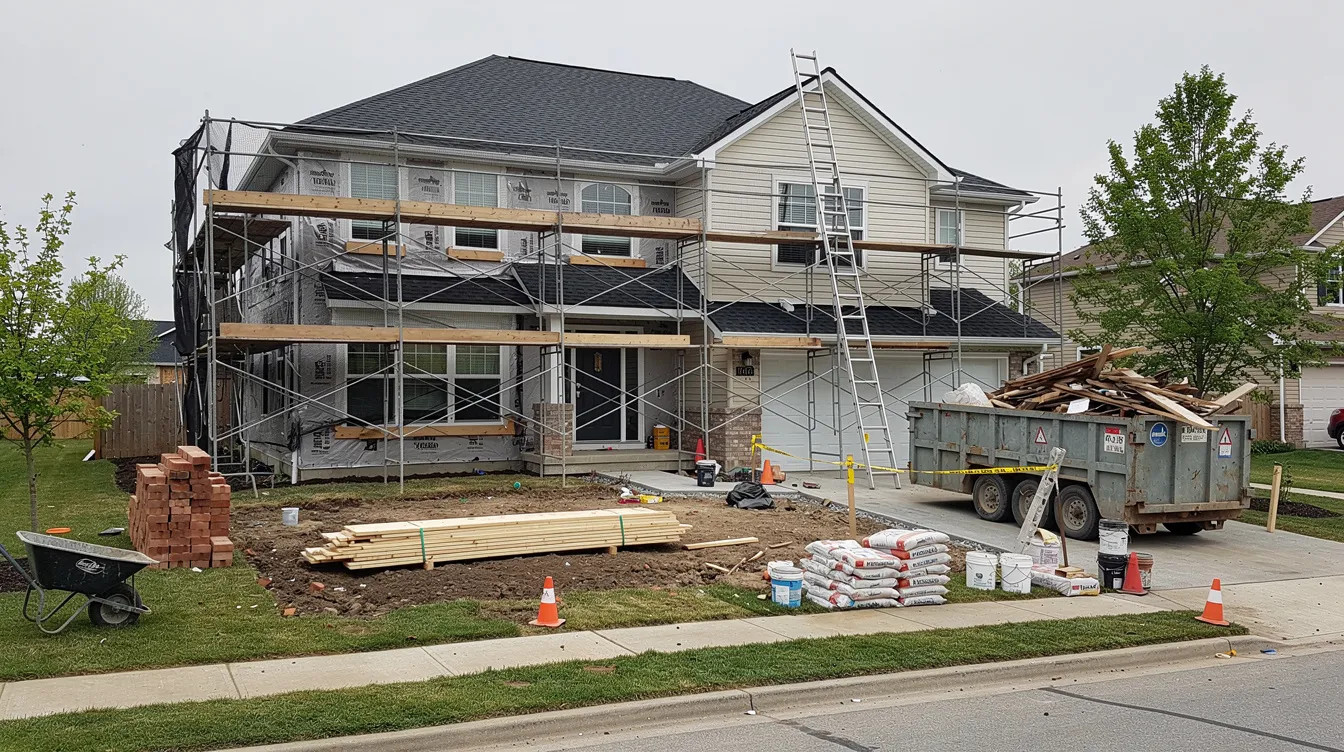
Gap Funding Hard Money Lender: Capital Stacking vs. Second-Position Private Money
Introduction: Scope, Audience, and Why This Guide Matters
This guide explains how gap funding works with hard money lenders, compares capital stacking to traditional second-position private money, and outlines strategies for real estate investors seeking to close funding gaps. It is designed for real estate investors and professionals who want to understand the best ways to finance their deals, maximize leverage, and avoid common pitfalls in real estate financing. Understanding the differences between capital stacking and traditional gap funding is crucial to help you close more deals, preserve your cash reserves, and ensure smooth closings without last-minute surprises. By the end of this guide, you'll know how to use gap funding to your advantage and why capital stacking is often the superior approach.
Fast Answer: How Gap Funding Works With a Hard Money Lender
Gap funding is a specialized form of short-term financing that covers what your primary loan leaves on the table. Typically, a hard money loan funds 70% to 80% of the purchase price or after repair value (ARV), which means you still need capital for:
- Down payment
- Closing costs
- First rehab draws
- Interest reserves
- Unexpected expenses
Gap funding fills those shortfalls between primary loans and total project costs so you can actually close.
Here is a quick example:
- Fix-and-flip property purchase price: $250,000
- Renovation costs: $75,000
- ARV: $425,000
- Hard money lender offers 80% of purchase ($200,000) plus 100% of rehab ($75,000), capped at 70% of ARV ($297,500)
- Primary loan covers $275,000
- Entire project cost including closing and holding: ~$340,000
- The gap: Around $65,000 in cash you need to bring
There are two main approaches to filling that gap:
- Traditional route: Find a private money lender willing to go second position on your deal property. This is slower, more expensive, and less reliable than the alternative.
- Modern approach: Real estate capital stacking—using unsecured term loans, 0% business credit card stacking, HELOCs on other properties, and lines of credit to fund the gap without placing a second lien.
A hard money loan can be combined with gap funding to complete more significant projects when the stack is built correctly.
Gap Funded specializes in this capital-stack method, which works alongside hard money lenders and DSCR lenders nationwide without violating their "no seconds" rules. Its institutional gap funding solutions can close in as little as 1 to 7 days when the stack is pre-built.
What Is Gap Funding in Real Estate
Gap funding is a specialized form of short-term financing that covers shortfalls between primary loans and total project costs, and is often provided by private, asset-based hard money lenders. Gap funding in real estate is short-term capital that bridges the difference between your primary financing and the total project cost of a deal—including purchase, rehab, holding, closing costs, and cash reserves.
Gap funding covers shortfalls between primary loans and total project costs, and gap lenders typically assume a second lien position on the property for their loans. Hard money lenders are private, asset-based lenders offering gap funding.
- Hard money loans: Your first position loan. Hard money lenders are private, asset-based lenders offering financing based on the property's value. They typically fund 65–75% of a project's value, sometimes up to 90% of purchase for experienced borrowers.
- Gap financing: Covers the uncovered portion: down payments, rehab budget overruns, interest reserves, EMD, and additional costs your primary loan won't touch. Gap lenders typically assume a second lien position on the property for their loans in the traditional model.
- Capital-stack gap funding: Uses unsecured personal term loans, 0% business and personal cards, HELOCs secured by other properties, and business lines of credit. This strategic gap funding methodology avoids placing a second lien on the subject property, which means it's acceptable to most serious hard money and DSCR lenders.
Investors use gap funding to preserve cash reserves for future opportunities, and it applies beyond fix-and-flip. Gap funding for real estate investors also supports BRRRR strategies, short-term rentals generating rental income, and even business acquisitions.
How Traditional Gap Funding Hard Money Lenders Operate
The classic structure works like this: your hard money lender holds the first lien position on the deal property. A private individual or small fund—your gap lender—offers gap financing as a second-position loan or mezzanine note to cover down payments, rehab draws, and sometimes interest reserves. The borrower typically finds this person through Facebook groups, local meetups, or online forums, which is essentially gator lending in real estate.
Interest Rates and Fees
- Interest rates for gap funding typically range from 10% to 18%, with origination fees starting at 2%.
- Connector fees range from 2–5% of total gap funds provided.
- Gap funders typically target returns of 15–25%+ on their capital.
- Gap funding often involves additional fees like profit participation, equity stakes, or JV arrangements that eat into your margins.
- Gap funding can lead to reduced profit margins on smaller deals where these costs stack up.
Lien Position and Approval Risks
- Terms for gap funding typically span a few months to a year and feature higher interest rates. Gap funding loans often have terms of 6–12 months, though some short-term loan structures extend to 24 months.
- Many serious hard money and DSCR lenders explicitly prohibit second liens on the subject property, so deals can be declined late in the process. Unlike banks, these institutional lenders have strict covenants.
- A private gap lender's financial situation can change three days before closing—they can simply pull out. One investor backing out can kill your closing, your earnest money deposit, and your reputation with agents and wholesalers.
- Borrowers must provide a personal interview and bio for vetting, and even after all that, the lender may walk.
Timeline and Reliability
- Gap funding can close in as little as 3–4 weeks in the traditional model, but coordination of docs, agreements, and lien positions often stretches timelines further.
- Layered debt, including gap funding, can amplify risks if market conditions worsen.
High costs are associated with borrowing gap funding this way, including steep interest rates and origination fees that compress your returns before you even start the rehab.

Why Capital Stacking Beats a Private Gap Funding Hard Money Lender
Gap Funded's capital stack approach is faster, cheaper, and more reliable than chasing a random second-position gap lender on the internet. It allows investors to leverage other people's money strategically without giving up equity or violating lender rules, and aligns with a more accurate explanation of gap financing in real estate than the traditional "second-lien only" narrative.
What Is Capital Stacking?
Capital stacking in this context means layering your financing like this:
- Senior debt (hard money or DSCR loan on the property)
- Gap funding through unsecured term loans
- 0% business credit card stacking
- HELOCs for investment use
- Business lines of credit
- Optional debt consolidation to boost your FICO before applying for hard money lending products
Key Advantages Over Second-Position Gap Funding
- No second lien on the deal property: Funds are unsecured or secured by non-subject collateral like an owner-occupied home HELOC, so primary lenders stay comfortable. This is flexible financing that doesn't conflict with first lien position requirements.
- Faster execution: Approvals and disbursements happen in 3–10 business days versus weeks of negotiation with a private individual. Fast funding matters in competitive markets where deals move quickly.
- More predictable: Funding decisions are based on credit, personal income, and verifiable data—not one person's mood or cash situation. Smart investors build systems, not relationships of dependency.
- Lower blended cost: Debt consolidation quickly cleans up utilization and credit card balances, improving FICO scores. Better credit unlocks better hard money rates, lower points, and higher leverage from institutional lenders. Stacking 0% introductory APR cards and competitive personal term loans often beats 15–25% private money lending costs.
- No equity splits or profit-sharing: The investor keeps 100% of project upside, preserving equity in every deal. Using a gap funding strategy this way can preserve investors' equity in a project completely.
Gap funds from a capital stack can cover down payments, closing costs, first draws, interest reserves, marketing, or even fund a new business related to the project. Gap Funded's model is designed to complement any reputable hard money lender or DSCR lender in the U.S., not compete with them for lien position.
How Gap Funding Works With Hard Money Loans Using Gap Funded's Capital Stack
Here is how gap funding works step by step using a realistic 2026 example:
- Get a primary hard money loan.
- Example: Fix and flip in Phoenix, AZ: purchase price $300,000, rehab $80,000, ARV $470,000. The hard money lender offers 85% of purchase plus 100% of rehab, up to 70–75% ARV. The loan lands around $340,000.
- Identify the funding gap.
- Cash needed: down payment (~$45,000), closing costs (~$10,000), first 3 monthly payments (~$7,000), initial rehab draw (~$15,000), and reserves. Total gap: roughly $70,000–$85,000.
- Apply with Gap Funded.
- A 1–2 minute online application with a soft credit pull that won't impact your credit. Minimum profile: 650+ credit score (minimum credit score for gap funding is typically 680+ for best terms), verifiable income or business revenue, or equity in a home or investment property. Response within 24–48 hours.
- Build the capital stack.
- Debt consolidation loan to pay down high-utilization cards and boost FICO within 30 days.
- Unsecured personal term loans with 5–7 year loan term to cover the core chunk of the down payment.
- 0% business credit card stacking for materials, contractor draws, and soft costs.
- HELOC or business line of credit as backup cash reserves.
- Gap funding can cover up to 100% of project costs when the stack is structured correctly.
- Coordinate with the hard money lender.
- No second lien on the subject property. The hard money lender sees strong liquidity and reserves. Align the project timeline (typically 6–12 months) with gap financing terms.
- Exit and recycle capital.
- On a flip: sale pays off hard money, unsecured loans continue or are paid down, cards are paid off and reused on the next project.
- On a BRRRR: refinance into a long-term DSCR loan and roll gap funds into your long-term strategy. A well-structured gap funding arrangement requires an exit plan for repayment—always have a clear exit strategy before closing.
Using Gap Financing for Down Payments, Closing Costs, and Rehab
Strategic gap funding unlocks more deals without over-leveraging, allowing investors to run multiple projects simultaneously rather than tying up all their capital in a single real estate investment project.
- Down payments: Many hard money lenders require 10–30% down depending on LTC and experience. Gap financing can legitimately fund this requirement using unsecured loans and HELOCs—not a prohibited second lien. Gap funding can cover down payments for real estate purchases while keeping combined exposure at or below 75% ARV.
- Closing costs: Typical financing costs in a 2026 fix and flip include title insurance, appraisal, hazard insurance, origination points, and underwriting fees. Gap funding helps cover closing costs to preserve working capital for budget overruns or additional deals.
- Rehab and first draws: Some hard money lenders only reimburse rehab after work is completed and inspected. Gap funding can finance initial construction draws for projects using 0% business credit cards and term loans, then get reimbursed through the hard money lender's draw system. This is how gap funding works in real estate at a practical level.
- Interest reserves and holding costs: Pre-funding 3–6 months of interest payments and utilities with gap financing protects cash flow and makes deals more attractive to primary lenders. Gap funding can support renovation and holding costs during projects, especially for BRRRR and new construction in today's market where days on market can be volatile.
- Short-term rentals and BRRRR: Gap funding can bridge the period between rehab completion and stabilized DSCR refinance—covering 6–12 months of operating runway for an Airbnb before rental income stabilizes. Gap funding can help investors meet tight closing deadlines or cover unexpected project costs in any of these strategies.

Why Serious Lenders Don't Want a Second-Lien Gap Funding Hard Money Lender
Institutional hard money and DSCR lenders in 2024–2026 usually prohibit unapproved second liens on the subject property. Some allow limited subordinate debt, but crackdowns have increased since early-2020s credit tightening. Hard money lenders focus primarily on the asset's value rather than the borrower's credit score, and they protect that asset position aggressively.
Risks of Second Liens
- Second liens create real problems. In foreclosure, the first lien holder must resolve or wipe out the second lien, adding cost, time, and legal risk.
- Additional liens can breach loan covenants, leading to defaults and legal disputes.
- Title companies discovering a planned second lien may refuse to insure, killing the deal days before closing.
- Unlike conventional loans or traditional financing, hard money bridge loans have zero tolerance for surprises at the title table.
Private Gap Lender Risks
- The private gap lender risk compounds this. Individuals lending from savings or retirement accounts can get cold feet if a personal emergency arises.
- They may change terms last minute, demand higher interest rates, or back out entirely. This is not bridge financing you can rely on for real estate investing at scale.
Gap Funded's capital stack eliminates these issues. No lien on the deal property, all approvals documented before closing, and funds underwritten based on the borrower's overall credit picture—not a single person's emotions.
Gap Funding Options Gap Funded Provides for Real Estate Investors and New Businesses
Gap Funded builds capital stacks around hard money loans and DSCR loans using these tools:
- Unsecured personal term loans: $10,000–$500,000 with 5–7 year terms and no prepayment penalties. The right solution for down payments, closing costs, first draws, and interest reserves.
- 0% business and personal credit card stacking: Stack multiple 0% APR cards (6–18 month intro periods) for project materials and soft costs. This manages cash flow while rehab progresses and hard money draws are released. Investors may use gap funding to avoid exhausting their cash reserves this way.
- HELOCs for investment use: Tap equity in an owner-occupied home or existing rental to fund new deals. The HELOC line of credit lien sits on the equity property, not the subject flip, so it doesn't conflict with hard money lender rules. This works across multiple properties.
- Business lines of credit and working capital: For established investors and contractors (2+ years in business, $20k+/month revenue), revolving capital keeps multiple projects moving.
- Debt consolidation: Consolidating high-interest revolving debt into a lower-rate installment loan can quickly improve FICO scores. Better scores unlock improved hard money rates, lower points, and higher leverage—maximizing returns before the project even starts.
- New business and acquisition funding: Gap Funded also funds new business startups or acquisitions related to real estate—short-term rental businesses, construction companies—before they qualify for traditional funding sources. New investors and the self-employed can apply for funding to access extra capital for an investment opportunity that traditional business lending won't touch pre-2 years.
All of these tools complement hard money lenders, DSCR lenders, and bridge loans as the senior debt. They don't replace them.
How to Decide If Gap Funding With a Hard Money Lender Is Right for Your Deal
Here is a practical framework for real estate investors evaluating gap financing options in today's market. For ongoing education and market updates, investors can also study funding strategies and market analysis tailored to gap funding and capital stacking:
- Assess your deal metrics: Verify ARV using 2024–2026 comparable sales with conservative assumptions. Ensure total leverage (hard money plus gap funding) stays at or below 70–75% of ARV. Stress-test profit margins with higher interest rates and an extra 10–15% rehab budget buffer to account for unexpected expenses. Gap funding can help preserve cash reserves for future investments, but thin deals with high renovation costs relative to ARV may not support the additional financing costs.
- Review your personal profile: Credit score of 650+ for Gap Funded programs, 680+ for best terms. Verifiable income or business revenue to support unsecured loans. Existing equity you can tap with a HELOC. This is a strategic approach that rewards investors who maintain strong financial profiles.
- Choose your gap strategy: If your hard money or DSCR lender prohibits seconds—and most do—prioritize capital stacking. If you already have strong unsecured capacity and HELOC access, use those first. Gap loans and short-term financing through a capital stack give you control that relying on private lenders never will, allowing investors to move quickly on deals.
- Compare total cost and speed: Contrast 15–25%+ returns required by private gap funders plus connector and origination fees versus the blended cost of a capital stack with 0% cards and term loans. Factor in time: 3–10 days for stacked financing versus 3–4 weeks wrangling a private second-lien partner. In competitive markets, speed determines whether you close the investment opportunity or lose it.
- Plan your exit: For flips: target a 6–9 month timeline and build in multiple exit strategies including price reductions or wholetailing. For BRRRR and rentals: confirm DSCR refi requirements (FICO minimums, DSCR coverage, seasoning) and align your gap funding terms with your refinance window. Every real estate project needs investment goals tied to a realistic exit timeline.
Ready to see what your capital stack looks like? Submit a quick application to Gap Funded for a personalized funding review. The initial review uses soft credit pulls and won't impact your credit. Stop chasing unreliable private lenders and start building a funding system that closes deals.
Related Reading
This article is for educational purposes only and isn't financial, legal, tax, or investment advice. Credit and financing outcomes depend on your own situation. Talk to a licensed financial professional before making funding decisions for your business.