
Flipping Houses Online: How Modern Investors Find, Fund, and Flip Deals From Their Laptop

What "Flipping Houses Online" Really Means Today
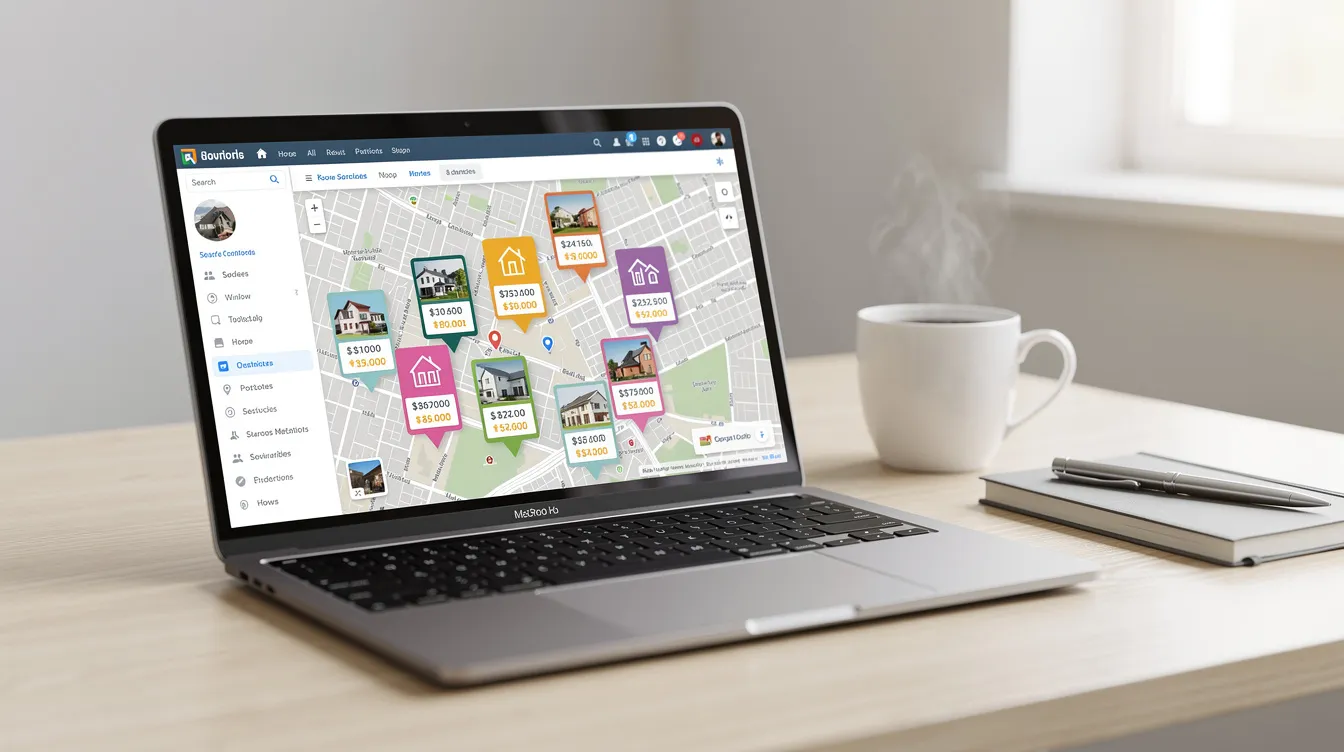
Most people hear "flipping houses online" and picture someone buying a house with a few clicks like it is a pair of sneakers. Not quite. You are still buying, renovating, and selling physical property. The difference is that the heavy lifting before and after the renovation, sourcing deals, running comps, lining up money, managing contractors, marketing the finished product, now happens on a screen.
I have watched this shift accelerate over the past few years. Real estate investors who used to spend entire weekends driving neighbourhoods now source deals from listing platforms, run deal analysis on apps, coordinate contractor bids over video calls, and market finished flips with 3D tours. The house flipping process has not changed at its core. The workflow around it has.
This guide covers both the classic fundamentals of flipping houses and the specific online tools, funding strategies, and systems that let you run a flipping business from your laptop. If you are planning your first flip or scaling to multiple properties, I will walk you through the numbers, the steps, and the funding gaps most investors hit.
A quick note: I am Mick, founder of Gap Funded. We help real estate investors close the capital gap between what a primary lender covers and what a deal actually costs, without equity splits or liens on the flip property. I will be straight about where our tools fit and where they do not.
House Flipping Basics: How the Numbers Work in an Online First World
House flipping involves purchasing and renovating properties for profit, typically within 3 to 12 months. When you flip houses online, you are sourcing discounted investment properties through MLS, Zillow, Redfin, or wholesalers, then rehabbing and reselling at a higher price. The model is the same whether you find the deal from your couch or a car.
Here is a simple deal from 2026 conditions:
- Purchase price: $210,000 (3 bed, 2 bath, built 1995)
- Rehab cost: $40,000
- After Repair Value (ARV): $315,000
Looks like $65,000 gross profit. But you have not paid for reality yet. Closing costs on both sides, hard money interest for 5 months, taxes, insurance, utilities, agent commissions, and buyer concessions eat into that number. According to Resideline's cost breakdown, non rehab costs often add up to around 15% of ARV. On a $315,000 sale, that is roughly $47,250.
So your actual net profit lands closer to $17,750, or about 5.6% of ARV. Still positive, but a lot thinner than the YouTube thumbnails suggest.
The national numbers back this up. In 2025, ATTOM's year end report showed flipped homes generated a median gross profit of $65,981, on an average return on investment of 25.5%, the lowest since 2008. The average hold time was 163 days. Know your numbers and calculate potential profits accurately before committing a dollar. Set a budget with padding for unexpected renovation costs, because they will show up.
House Flipping Pros and Cons for Online Real Estate Investors
Pros:
- Flipping houses can yield high returns on investment. A single deal generating $30,000 to $65,000 in gross profit is realistic in the right market.
- Online tools let you scale to more properties with systems rather than shoe leather. You can screen dozens of deals per week from anywhere with Wi Fi.
- House flipping can improve local communities by enhancing property values. Renovating a run down house lifts the entire street.
- Flexibility to operate as a side business or full time venture. Some investors keep their day jobs and flip part time using digital workflows.
Cons:
- Exposure to interest rate changes and market slowdowns. A deal that works at 10% hard money does not work at 13%.
- Unexpected costs can impact house flipping profits. Hidden foundation cracks, mould, or outdated wiring are not visible in listing photos.
- Flipping houses requires significant time and effort to succeed. Coordinating contractors, permits, inspections, and closings is not passive income, even when managed digitally.
- Over reliance on photos and online data can lead to costly misjudgements about property condition, especially for investors who skip in person inspections.
Online tools reduce some financial risk by giving you better comps and faster contractor bids, but they introduce others. You still need rigorous due diligence on every deal.
The 70% Rule, ARV, and Online Deal Analysis
The 70% rule still anchors how savvy investors calculate offers, whether they are standing in a living room or staring at a Zillow listing. The 70% rule suggests paying no more than 70% of ARV minus repairs. That 30% buffer covers financing, holding costs, selling costs, and your profit.
Worked example:
- ARV: $350,000
- Rehab estimate: $60,000
- Maximum Allowable Offer (MAO): ($350,000 x 0.70) minus $60,000 = $185,000
If the seller wants $220,000, the deal does not work. Walk away.
How to estimate ARV online:
Pull closed sales from the past 3 to 6 months within a 0.5 to 1 mile radius with similar square footage, bed/bath count, and condition. Use MLS data via your real estate agent, Redfin sold comps, or county records. Accurate After Repair Value and repair estimates are critical for success in virtual flips.
Common online analysis mistakes:
- Using list prices instead of closed prices, which inflates your ARV
- Comparing to fully renovated luxury homes when you are planning light cosmetic rehab
- Ignoring buyer concessions that reduce the seller's actual net
- Trusting algorithm estimates in non disclosure states where sold prices are not public
Use the 70% rule to minimise financial risk. Investors should conduct a deal analysis to predict profitability before making any offer. The 70% rule limits purchase price to 70% of ARV, and if the deal does not fit, the deal does not fit.
Step by Step: How to Flip Houses Online From First Search to Final SaleStep by Step: How to Flip Houses Online From First Search to Final Sale
Here is the step by step process from first search to final sale. Later sections go deeper on each stage.
- Check your credit and funding options. Pull your FICO score. Know how much cash you can access and where the gaps are.
- Choose a metro and neighbourhood niche. Go deep in one local market rather than chasing every trending city.
- Set your budget and profit criteria. Define your minimum acceptable profit and maximum purchase price before you start looking.
- Source deals online. Use MLS, Zillow, Redfin, auction sites, wholesaler lists, and county foreclosure records.
- Run the numbers. ARV, rehab estimate, holding costs, financing costs, selling costs. If the deal does not clear the 70% rule, move on.
- Line up primary and gap funding. Hard money or DSCR for the main loan; gap funding for down payment, closing costs, and rehab draws.
- Make offers digitally. Submit through your real estate agent or directly using e signature platforms.
- Schedule inspections. A property inspection helps identify potential issues before purchase. Never skip this.
- Manage rehab using remote tools. Video calls, photo logs, payment milestones tied to completed work.
- List with a real estate agent on MLS. Professional photos, 3D tours, and staging to maximise buyer interest.
- Close and review results. Track every cost against your original plan. Learn where you were off.
- Repeat and scale. Use profits and refined systems to flip more properties.
Check Your Credit Score and Financial Starting Point
Online flipping still depends on your personal or business credit profile. This is especially true for unsecured gap funding and business credit cards, which do not require collateral on the flip property.
Pull a current FICO score through Experian, myFICO, or your bank app. Know your income, existing debts, and monthly obligations. Here is where the ranges land:
- 650+: Qualifies for most gap funding tools. Rates and terms are workable.
- 680 to 720+: Stronger terms, better approval odds, more money available.
- Below 650: Options narrow. You will pay more or need a co borrower with stronger credit.
If you are carrying high interest consumer debt across multiple cards, consider debt consolidation before applying for flip funding. Consolidating can lower your monthly obligations and improve your debt to income ratio, which directly affects how much gap capital you qualify for. Avoid large new purchases 60 to 90 days before applying.
Determine Your Funding Stack: Primary Lender Plus Gap Funding
Most real estate investors do not fund a flip with a single source. The standard setup is a primary loan (hard money, DSCR, or bank loan) plus separate capital for everything that primary lender will not cover.
Primary funding options for house flippers in 2026:
- Hard money lenders: Fast closings, 10 to 12.5% interest plus 1.5 to 3 points upfront. Hard money lenders focus on property value, not credit scores, which makes them accessible for first project investors. Typical LTV is 65 to 80%.
- DSCR loans: Better for buy and hold or rental properties; less common for pure flips.
- Private lenders: Private lenders offer capital on favourable terms for flippers, often from personal networks or local investor groups.
- Banks and mortgage lenders: Banks and mortgage lenders are eager to fund good real estate deals, but underwriting is slower and requires more documentation.
- Personal resources: Some investors use personal resources like 401k funds for initial capital, though this carries its own risk.
The funding gap in a typical flip:
Investors need a down payment and reserves for carrying costs. Even with an 85% LTC hard money loan, you still need cash for the 15% down, closing costs, first rehab draws (lenders reimburse in arrears), 3 to 6 months of interest payments, and contingency reserves. On a $250,000 purchase, that gap can run $80,000 or more.
Gap Funded fills this gap with unsecured term loans, 0% business credit card stacking, and HELOCs. No equity splits, no liens on the deal property, and a soft pull to check your options.
- Ready to see what you qualify for? Start a no obligation funding review at gapfunded.com/apply.
Select Your Market and Farm It Online
Selecting the right market is crucial for house flipping success. Chasing every "hot" city you see on social media is a recipe for thin margins and poor execution. Go deep in one metro, not wide across six.
Research housing demand and median home prices before investing in real estate. Pull these data points online before committing to a city:
- Median days on market (under 30 is strong)
- List to sale price ratio (above 98% signals a competitive market)
- Inventory levels (low inventory = faster sale but harder sourcing)
- Job and population growth from 2021 to 2026
Understanding local market trends helps identify profitable properties. Digital mapping tools can check neighbourhood trends and property conditions. Use crime maps, school ratings, walk scores, and street level views to narrow from city to ZIP code to specific streets.
I reckon the best approach for most investors starting out is to specialise: 3 bed starter homes under $350,000 in one county. You will learn the comps, the contractors, and the permit timelines fast enough to analyse deals confidently from your laptop.
Finding the Right Property Online: Listings, Off Market Leads, and Data Tools
Success in online flipping hinges on building a repeatable pipeline of deals, not stumbling on one lucky house. Identify properties needing repair for better profit potential, because that is where the margin lives.
Where to source deals online:
- MLS access through a real estate agent (the most reliable comp and listing data)
- Zillow, Redfin, Realtor.com for public listings and sold data
- Auction sites for foreclosures and bank owned properties
- County foreclosure and tax sale lists posted online by local courts
- Wholesaler lists from investor friendly brokerages that email distressed or dated properties matching fix and flip criteria
Common acquisition strategies for real estate include MLS listings and foreclosures. Properties with strong flip potential typically sell rapidly, especially foreclosures, so speed matters. Market research can reveal hidden value in distressed properties that casual buyers overlook.
Virtual wholesaling involves finding, contracting, and selling properties entirely online. Wholesaling regulations vary by state and may require a real estate license, so check your state's rules before pursuing this channel.
Set up automated alerts for your buy box: price range, ZIP codes, bed/bath count, year built. This lets you gain access to more properties before casual buyers see them.

Using Home Flipping Apps and Software to Run the Numbers
Digital tools aid in deal finding, renovating, and project management in house flipping. Rather than listing random apps, think of your software as a functional stack:
- Deal analysis apps (Property Fixer, Deal Run, ARVnote): Plug in purchase price, rehab estimate, holding time, and financing terms to test profit and ROI. These let you screen dozens of properties per week without driving every street.
- ARV and comp tools (Redfin sold data, Zillow comps, county records): Cross reference at least two sources before trusting any ARV. Algorithms disagree often.
- Rehab estimators (Comparv, Deal Run AI estimates): Helpful for rough numbers, but never substitute for a real contractor bid on serious work.
- Project management tools (Trello, Asana, or real estate CRMs): Track leads, offers, and active rehabs when flipping multiple houses at once. Pipeline visibility is what separates one deal investors from those scaling a business.
These tools are valuable resources, but they work best when paired with local knowledge and boots on the ground verification.
Making Offers, Inspections, and Contractor Bids From Your Laptop
Offers, addenda, and contracts are routinely handled digitally through e signature platforms like DocuSign or Dotloop, coordinated by your real estate agent's transaction software. You do not need to be in the same state to submit a competitive offer.
To calculate your offer, start from the ARV and the 70% rule. Include room for financing costs (points, interest carry) and gap funding costs in your math. If your MAO is $185,000 and the seller wants $200,000, do not "split the difference." The numbers either work or they do not.
Investigating property titles and liens is essential before purchasing a property. Your real estate attorney or title company handles this, but you should review the preliminary title report yourself before closing.
For inspections and contractor bids, coordinate remotely using video calls and photo reports. Hire multiple contractors to compare repair estimates; a single bid gives you a number, not context. Send each contractor a standardised scope of work document so bids are comparable.
Savvy investors conduct due diligence before purchasing properties. A property inspection by a licensed inspector is non negotiable, even if you are managing the deal from 1,000 miles away. Conduct a final inspection to ensure compliance with codes before listing.
Managing Rehab and Timelines When You Are Not Always On Site
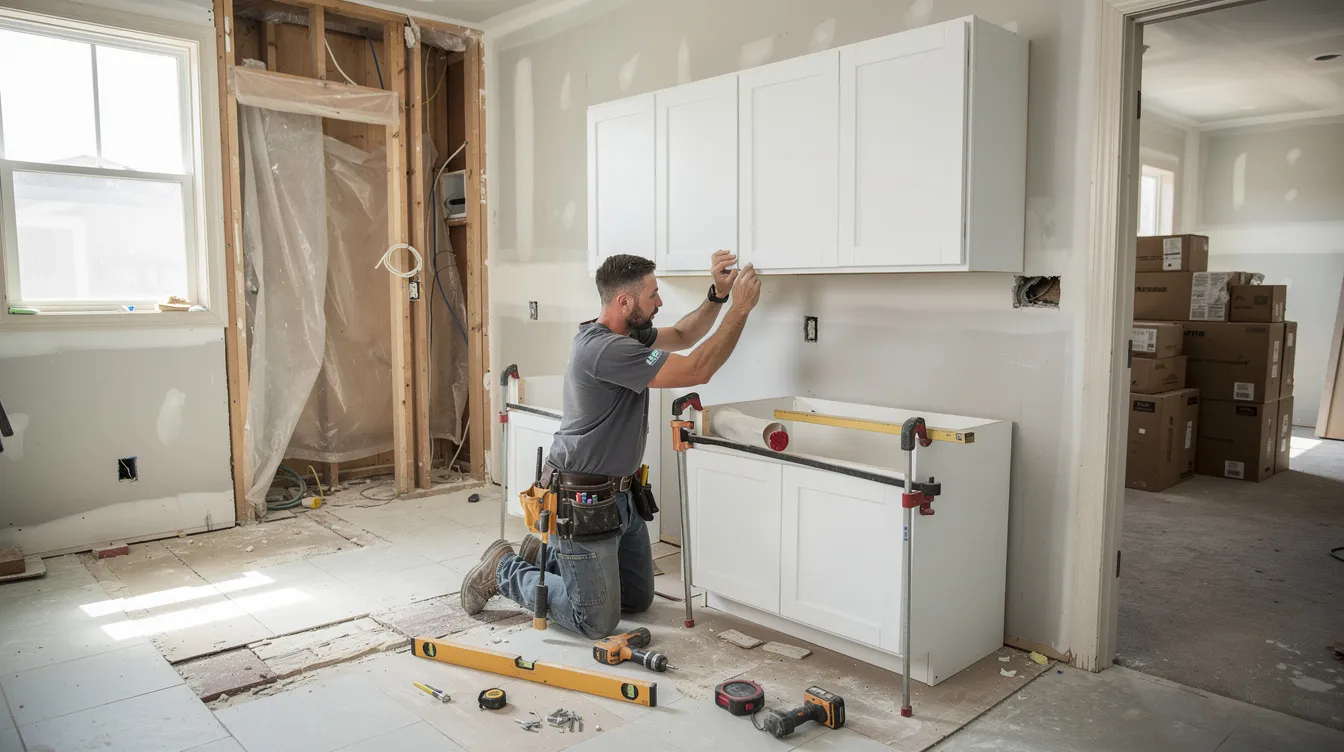
Using local teams and contractors is essential for remote property management. Here is how to keep control when you are not swinging a hammer:
- Written scope of work: Itemised, shared digitally. Covers demo, structural, mechanicals, finishes, and final punch list. No verbal agreements.
- Weekly video updates and photo logs: Your GC or project manager walks the site on camera. You review progress against the scope.
- Payment milestones tied to completed line items: Never pay ahead of work. Break the project into 4 to 6 draw stages (demo complete, rough in complete, drywall/paint, fixtures/finishes, punch list).
Creating a project timeline helps manage renovation schedules. Realistic timelines: cosmetic rehabs run 6 to 10 weeks; heavy renovations with structural or mechanical work run 4 to 6 months. Every extra month adds holding costs: interest, taxes, insurance, and utilities.
Those extra months eat profits. On a hard money loan at 11% interest on a $210,000 balance, each additional month costs roughly $1,925 in interest alone.
Relisting and Selling Your Flipped House With Online Marketing
The last leg of flipping houses is turning a finished project into a sale. Most investors still benefit from listing with a local real estate agent for full MLS exposure. You gain access to the largest buyer pool and an experienced negotiator on your side.
Online marketing for the finished flip:
- Professional photos and 3D virtual tours: Non negotiable. Buyers decide whether to visit based on the first 5 photos.
- Staging: Virtual staging is cheaper; physical staging sells faster in most markets. Pick based on your price point and local buyer expectations.
- Pricing strategy: Base your retail price on recent sold comps and current days on market. The first 7 to 14 days online are critical for maximum buyer attention; overpricing kills momentum.
- Social media and email campaigns: Share listings to investor buyers' lists, local Facebook groups, and Instagram. Attract both owner occupants and other real estate investors looking for rental properties.
Price it right on day one, and expect strong interest from buyers who are ready to move.
Financing the Gap: How Online Flippers Pay for Down Payments, Rehab, and Holding Costs
Here is the problem most house flippers hit: your hard money loan covers 80 to 90% of the purchase and maybe part of the rehab. That leaves a fair whack of costs uncovered.
Costs that primary lenders rarely finance at 100%:
- 10 to 25% down payment on the purchase
- Closing costs (title, escrow, appraisal, transfer taxes)
- First rehab draws and materials deposits (lenders reimburse after work is done)
- 3 to 6 months of interest payments, property taxes, insurance, and utilities
- Contingency reserves for surprises
On a $250,000 purchase with rehab, the total out of pocket gap often runs between $50,000 and $85,000. That is how much cash you need beyond what the lender wires.
Gap Funded helps flip investors gain access to this missing capital with gap funding solutions that do not require equity splits or putting a lien on the investment property itself. The realistic borrower profile: typically 650+ credit score, verifiable income or a strong co borrower, and a coherent flip plan. Even if you are doing your first flip, a clear plan with solid numbers matters more than a decade of experience.
Gap Funding Tools for Flipping Houses: Term Loans, Card Stacking, and HELOCs
Not every tool fits every investor. The order you apply for products matters because each application can affect the next approval.
1. Unsecured term loans (rapid gap funding) First line tool for down payment, earnest money deposits, and rehab when speed is critical. No lien on the deal property, funds in days rather than weeks. Best for investors with 650+ credit who need $20,000 to $150,000 fast. Learn more about gap funding here.
2. 0% business credit card stacking Finance materials, labour draws, and short term holding costs on 0% promotional cards. The key: keep these separate from personal spending, and have an aggressive payoff plan before the promo period ends (typically 12 to 18 months). Credit card stacking details here.
3. HELOC on existing property For experienced investors with equity in a primary residence or investment properties, a HELOC works as a flexible, reloadable line of credit across multiple flips. Lower interest than hard money, but you are securing it against an asset you already own.
Smart sequencing often looks like:
- Term loan or HELOC for base capital (down payment, earnest money, closing)
- Card stacking for variable rehab and carrying costs
- Sell the flip, clear all balances, repeat
This order matters because applying for cards before the term loan can reduce available credit on the term loan side. We walk every client through the right sequence during the funding review.
Common Online House Flipping Mistakes and Myths
Miscalculating renovation costs is the leading reason virtual flips fail. When you are buying based on photos and algorithm estimates, the margin for error shrinks.
Frequent errors:
- Trusting listing photos over inspections. A fresh coat of paint hides a lot of sins.
- Underestimating rehab from a distance. Getting a single online quote without a site visit is asking for trouble.
- Ignoring local permitting timelines. A permit that takes 2 weeks in one county takes 8 weeks in the next. That delay adds holding costs.
- Using social media ARVs. Someone else's sale price in a different neighbourhood is not your comp.
- Forgetting to budget for marketing. Professional photos, staging, and agent commissions add up on the sell side.
Myths worth debunking:
- "You need tons of your own money." Many successful flips are funded with creative stacking: hard money plus gap funding plus card stacking. How much cash you start with matters less than how well you structure the deal.
- "You need a perfect 780+ credit score." 650+ works for most gap funding tools. Below that, options exist but cost more money.
- "You have to quit your job." Some of the best first project investors I have worked with flip part time. The key is systems and a reliable local team, not unlimited hours.
The right partners, a local real estate agent, a thorough inspector, reliable contractors, and a funding ally, reduce these risks and help you decide when a deal is worth pursuing and when to walk.
When a Real Estate License, Agent, or Team Makes Sense
There is a difference between being a licensed real estate agent and building the right team around you as an investor. Most flippers do not need their own licence for their first deal.
Working with an investor friendly agent gives you:
- MLS access for sourcing deals and pulling accurate comps
- Negotiation help and offer management
- Contract handling, disclosures, and legal compliance
- Local market knowledge that algorithms cannot replicate
If you are flipping 3 or more houses per year in the same state, getting your own licence can save commissions and give you direct MLS access. The trade off: continuing education hours, brokerage fees, and compliance obligations. It is time consuming but can pencil out at scale.
Build a team of contractors, inspectors, a real estate attorney, title companies, and lenders that you use repeatedly. Treat them as part of a long term flipping business, not one off hires. This is how you go from one deal to many, and how you build a future in real estate investing.
Putting It All Together: A Sample "Online Flip" and Your Next Steps
Here is how an online driven flip looks in practice, based on 2025 to 2026 market conditions.
An investor in Cleveland spots a distressed 3 bed house through Deal Run's listings tool. The neighbourhood shows 14 sold comps in the past 4 months. ARV is projected at $320,000. Rehab estimate from two contractor video walkthroughs: $55,000 for a cosmetic refresh plus kitchen and bath update.
The 70% rule check: MAO = ($320,000 x 0.70) minus $55,000 = $169,000. The seller accepts $170,000.
Funding stack: Hard money loan at 11% plus 2 points covers purchase and most rehab. A $30,000 unsecured term loan through Gap Funded covers earnest money, down payment shortfall, closing costs, and the first rehab draw. No lien on the flip property, no equity split with a partner.
The investor manages the rehab remotely with weekly video logs and payment milestones. Rehab runs 8 weeks instead of the planned 6, adding holding costs, but tight finish and hard work keep the budget within $2,000 of the original estimate.
The finished house is listed with a local real estate agent, marketed with professional photos and a 3D tour, and shared through an investor email list. It sells for $325,000 in 12 days. After all costs, the investor nets roughly $33,000 to $36,000 in profit, about 10 to 11% of ARV.
Key takeaways from this deal:
- Focus on one local market and learn it cold
- Respect the deal math. Profit potential lives in the numbers, not optimism
- Build your funding stack before making offers so you can move fast on the right property
- Use online tools to decide quickly, but never skip real world inspections and contractor verification
Investing in real estate through online house flipping is a real business with real profit, real risk, and a real learning curve. The investors who succeed in 2026 are not sitting on the most money. They are the ones who stack their funding, respect the process, and act before the deal goes stale.
If you are ready to start flipping houses and want to know exactly what funding you qualify for, start a free, no obligation funding review at gapfunded.com/apply. Soft pull only, no impact to your credit. You will see which combination of term loans, credit stacking, and HELOCs fits your first or next deal, so you can chase the right property instead of waiting for "someday."
Related Reading
This article is for educational purposes only and isn't financial, legal, tax, or investment advice. Credit and financing outcomes depend on your own situation. Talk to a licensed financial professional before making funding decisions for your business.