
Flipping House Cost: What It Really Takes to Flip Houses Profitably in Today's Market

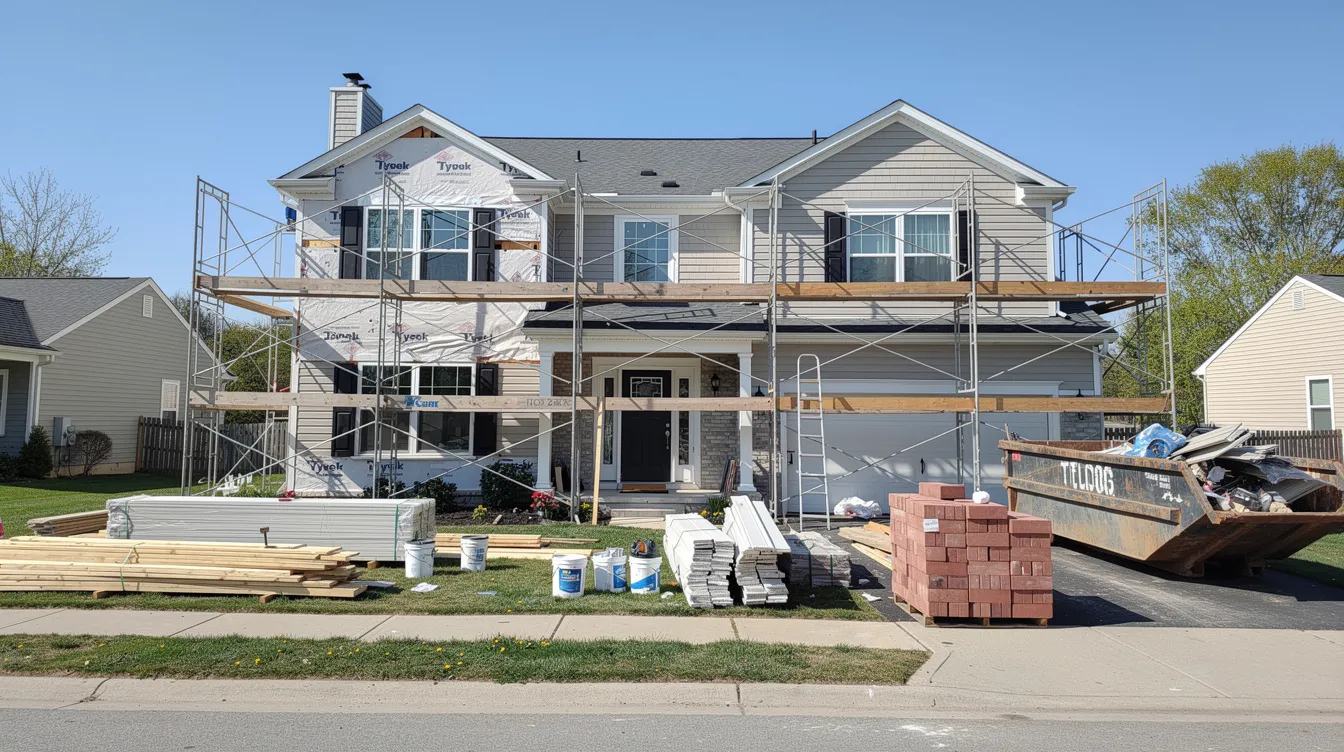
Why Flipping Houses Lives or Dies on Cost Control
This guide is for new and experienced real estate investors looking to understand the true costs of flipping houses in today's market. Understanding the full scope of flipping house cost is crucial for profitability because underestimating or overlooking any expense can quickly erode your margins and turn a promising deal into a financial loss.
Most people who want to start flipping houses think the secret is finding a cheap property. It isn't. The real deal is in correctly estimating total flipping house cost and a realistic selling price in the current market. Get that wrong, and you'll watch your profit evaporate before the paint dries.
The total cost of flipping a house includes purchase price, renovation, financing, holding, and selling expenses. In 2023, 8% of home sales were from flipping, and the average gross profit sat around $65,000. But in recent years, rising property prices and labour costs have compressed margins hard. Giving accurate estimates for repair costs, timelines, and expected resale values is essential before making an offer.
In 2026, tighter margins, higher interest rates, and slower buyer demand make precise cost planning more critical than before. Every house flip should start by working backward from ARV (after repair value), then layering in purchase price, rehab budget, holding costs, and exit strategy. At Gap Funded, we help investors close the funding gap on down payments, rehab, and holding costs without equity splits or liens on the deal property.
Start With the Numbers: How to Build a Flipping House Cost Budget
Professional flippers in 2026 start with a spreadsheet, not a property. Every deal must be underwritten before offers are made. Flipping requires careful buying to avoid tight margins, and detailed budgeting covering all stages from acquisition to resale is what separates a business from a gamble.
The 70% rule suggests that investors should pay no more than 70% of the after repair value minus renovation costs. That's the classic reference point. But in most markets right now, investors are operating closer to 75% to 80% because inventory is thinner and prices are higher. Buying distressed properties can yield profitable flips, but only if the numbers hold up on paper first.
The four main cost buckets to model are:
- Acquisition cost: purchase price plus closing costs, inspections, lender fees
- Rehab cost: labour, materials, permits, contingency
- Holding costs: loan interest, taxes, insurance, utilities during ownership
- Selling/transaction costs: commissions, closing fees, staging, buyer concessions
For example, targeting a $400,000 ARV flip in a typical US suburb in 2026, you'd want total all in costs between $280,000 and $320,000 to leave meaningful profit. Beginners often underestimate rehab and holding costs by 15% to 25%. A contingency fund of 10% to 20% should be added to renovation budgets to cover unexpected issues. If the numbers don't work with conservative assumptions, walk away and find a better deal.
Breaking Down the True Cost to Flip a House
Before diving into the numbers, it's important to understand the five major cost categories that make up the total flipping house cost:
- Acquisition Costs: These include the purchase price of the property, legal fees, title insurance, and closing costs associated with buying a home. They are the first expenses you'll encounter and set the foundation for your investment.
- Rehab and Renovation Costs: This covers all expenses related to improving the property, such as labor, materials, permits, and any necessary repairs. For a standard mid-range property, renovation costs typically range from $50,000 to $80,000. Always include a contingency fund of 10% to 20% to cover unexpected issues like mold or foundation damage, which can significantly increase costs.
- Holding Costs: These are ongoing expenses incurred while you own the property, including loan interest, property taxes, insurance, and utilities. Monthly carrying costs usually range from $1,500 to $3,000, and the longer you hold the property, the more these add up.
- Selling Costs: When it's time to sell, you'll face realtor commissions (typically 5% to 6% of the final sales price), seller closing costs (1% to 2% of the sales price), and transaction fees (around 8% to 10% of the sale price). These costs are essential to factor into your budget to avoid surprises at closing.
- Contingency: A buffer fund, usually 10% to 20% of your renovation budget, is crucial for covering unforeseen expenses that arise during the project.
Together, these categories encompass all the expenses from acquisition to resale, and missing any one of them can lead to budget shortfalls and lost profits.
Acquisition Costs
Acquisition costs encompass legal fees, title insurance, and closing costs associated with buying a home. Purchase closing costs generally range from 2% to 3% of the purchase price. Earnest money deposits tie up capital before closing, sometimes months in advance.
Rehab and Renovation Costs
Rehab and renovation costs vary by scope. Cosmetic updates like paint, flooring, and fixtures run roughly $15 to $35 per square foot. Renovation costs for a standard mid-range property typically range from $50,000 to $80,000, with heavier work hitting $50 to $90 per square foot in many 2026 US markets. The importance of getting detailed scopes and contractor bids before closing cannot be overstated. Always include a contingency fund of 10% to 20% to cover unexpected issues like mold or foundation damage, which can significantly increase renovation costs.
Holding Costs
Holding costs include loan interest, utilities, and insurance. Hard money loans typically feature higher interest rates ranging from 8% to 15%, with hard money interest rates currently sitting at 11% to 12% in most markets. Monthly carrying costs for a property during renovations usually range from $1,500 to $3,000. The average flip takes around 5 to 6 months to complete, and each extra month eats directly into profit. Holding costs for a project typically run $15,000 to $22,000 over six months for mid-range financed projects. These costs also include ongoing expenses like property taxes, insurance, and utilities while owning the property.
Selling Costs
Selling costs can include staging, photography, and necessary final repairs after a buyer's inspection. Realtor commissions typically account for 5% to 6% of the final sales price, and seller closing costs, including transfer taxes, are often around 1% to 2% of the sales price. Real estate transactions often incur transaction fees around 8% to 10% of the sale price when you add it all together.
Contingency Fund
Contingency is a buffer fund, usually 10% to 20% of your renovation budget, set aside to cover unforeseen expenses that arise during the project. Unexpected issues like mold or foundation damage can trigger the need for additional budgeting on a flip and significantly increase renovation costs.
Flipping a house typically incurs ancillary costs of 20% to 33% of the home's after repair value. Serious house flipping investors add a contingency buffer of at least 10% of total project budget.
Summary Table: Major Cost Categories in House Flipping
| Cost Category | What It Includes |
|---|---|
| Acquisition | Purchase price, legal fees, title insurance, closing costs, earnest money deposit |
| Rehab/Renovation | Labor, materials, permits, contractor fees, contingency fund (10%-20% for unexpected issues) |
| Holding | Loan interest, property taxes, insurance, utilities, monthly carrying costs ($1,500-$3,000/mo) |
| Selling/Transaction | Realtor commissions (5%-6%), closing fees (1%-2%), transaction fees (8%-10%), staging, repairs |
| Contingency | 10%-20% of renovation budget for unforeseen expenses (e.g., mold, foundation damage) |
Using ARV and Selling Price to Work Backward to Total Budget
ARV is the expected selling price once renovations are complete. A common guideline for estimating ARV is to base it on comparables rather than current listings. You want recent sales within 0.5 to 1 mile, same bed and bath count, similar square footage, completed within 3 to 6 months.
Here's an example. Comps indicate an ARV of $350,000 for a renovated 3 bed, 2 bath home. An investor targeting all in costs of 75% to 80% of ARV would aim for $262,500 to $280,000 total spend. That leaves a gross profit range of roughly $70,000 to $87,500, from which taxes and overhead still need to be paid.
In the current market conditions of 2026, investors may need to be even more conservative on ARV and factor in longer days on market. Gross profits fell 13.6% year over year in recent quarters. Get at least 2 to 3 opinions from a local real estate agent or appraiser before making offers, especially in markets you're new to. Accurate ARV and realistic selling price assumptions are what separate successful home flipping from speculative gambling.
Major Cost Drivers: Renovation Scope, Time, and Market Conditions
Three forces usually blow up a flipping house cost budget: uncontrolled renovation scope, slow timelines, and shifts in the local real estate market.
On scope, focus on value add cosmetic work: kitchens, baths, paint, curb appeal. Properties needing cosmetic upgrades are ideal for flipping. Over renovating can reduce profit margins in price sensitive markets. Putting high end finishes in a starter neighbourhood is a fast way to kill your margins.
Time equals money. Typical 2026 flip durations run 60 to 120 days of rehab, then 30 to 90 days to go under contract and sell. Permitting and inspection delays are common and should be baked into your project timelines. Rising property prices have compressed margins across most markets, and you can't afford surprises.
On market conditions, rising rates or a sudden influx of listings can change buyer demand mid project. Check current market data: average days on market, list to sale price ratios, seasonal trends. Plan conservative exit timelines, especially in slower or higher priced markets.
Exit Strategy, Selling Price, and How They Affect Overall Costs
Your exit strategy changes both your holding costs and net profit. Decide before you close whether this flip is intended for a rapid sale, a retail buyer at full price, or as a potential rental if the current market softens. A flexible exit strategy protects you if the property doesn't sell as fast as expected.
Pricing slightly under current market value can reduce days on market and lower holding costs. Cash offers can lead to quicker sales in real estate, and seller financing can lead to quicker sales and lower fees in some circumstances. Overpricing leads to stale listings, price cuts, and multiple extra months of expenses that wipe out profit.
When a retail sale isn't ideal, explore options like selling to an investor or holding the property as a rental or BRRRR until conditions improve. Refinancing into a longer term loan changes your holding costs, tax profile, and risk. You should know your lowest acceptable price that still meets your profit threshold before you ever list.
Typical Cost Ranges to Flip Houses in 2026 (With Example Scenarios)
Costs vary dramatically by market. Flipping is easier in cooler markets due to expanded margins, and investors should target lower cost markets for better margins when possible. The average cost to flip a house in Nevada is $65,000, while Las Vegas saw profits of $85,000 for flippers last year. But here are rough ranges to sanity check your budgets.
Light Cosmetic Flip
- Property purchased at a modest discount, needing paint, flooring, light kitchen and bath updates, and curb appeal.
- Rehab budget of $25,000 to $45,000 on a 1,500 square foot home.
- Properties needing cosmetic upgrades yield better flipping results.
- Shorter timelines, lower risk, but potentially smaller margins.
Full Cosmetic Plus Systems Flip
- Older home needing new roof, updated electrical panel, HVAC replacement, windows, and full interior refresh.
- Rehab budget of $70,000 to $130,000.
- Permitting and inspections increase holding time significantly.
Heavy Rehab
- Structural issues, foundation repairs, or major layout changes.
- These can exceed $150,000 to $250,000 in many metro areas and are often better suited for highly experienced operators or small development groups.
- Crowdfunded flipping minimises individual risk for other investors considering this tier.
In all scenarios:
- Add 10% to 15% contingency on rehab
- Plan for 6 to 9 months of holding costs in the current market
- Budget selling costs of roughly 8% to 10% of final selling price
- Compare your local contractor bids and lender quotes against these examples
Where Most House Flipping Budgets Fall Short (And How to Avoid It)
Profitable flipping houses is less about finding unbelievable deals and more about avoiding the most common cost mistakes that wipe out margins.
Common mistakes include:
- Underestimating rehab: relying on napkin math instead of line item bids. Get thorough inspections on roof, foundation, plumbing, electrical, and sewer scopes before closing. Unexpected issues like mould or foundation damage can trigger the need for additional budgeting on a flip. Unexpected issues can significantly increase renovation costs.
- Ignoring soft costs: permits, architectural drawings for major changes, dumpster fees, city inspections, and utility deposits all add up fast.
- Optimistic timelines: assuming a 3 month project that becomes 7 months can double or triple holding costs. I reckon you should add 25% to 30% time buffer to whatever schedule your contractor promises.
- Weak contractor management: poor oversight leads to change orders, rework, and cost overruns. Use written scopes of work, milestone based payments, and consistent site checks.
- No backup exit strategy: underwriting a deal that only works if everything goes perfectly and the property sells at top of market price within 30 days is a plan to lose money. The financing used in flipping can dramatically affect the profitability of the project based on interest rates.
Funding the True Cost of a House Flip: Where the Gap Usually Appears
Even when the numbers look solid on paper, many investors still struggle because traditional hard money lenders rarely fund 100% of purchase plus rehab plus holding costs. Around one third of house flips are financed, while cash purchases eliminate interest costs entirely. Most flipped homes sit somewhere in between.
The common funding gap areas are:
- Down payment required by hard money, DSCR, or bank loans (often 10% to 25% of purchase price)
- Rehab costs not fully covered by primary lenders, or reimbursed only after work is done via draws
- Holding costs during 5 to 7 months of ownership that many investors don't budget enough reserve for
- Earnest money deposits and closing costs that must be paid upfront, which can be eased using earnest money deposit financing
This creates a bottleneck. Investors find profitable deals but can't close because they lack fast, flexible capital. Relying on partners or gator lenders often means equity splits or expensive short term agreements, though structured Gator Lending for real estate investors can be useful for urgent, deal-specific capital needs. Traditional hard money and DSCR loans are excellent for primary financing but aren't designed to cover 100% of all project needs. Private investors can help but require relationship building, negotiations, and sharing equity, which is why many investors turn to institutional gap financing solutions instead.
How Gap Funded Helps Cover Flipping House Costs Without Equity Splits
Gap Funded specialises in gap funding in real estate, stacking multiple funding tools to cover what primary real estate loans don't, especially for fix and flip, BRRRR, and short term rental projects. We don't take a lien on the deal property. We don't take your equity. We help you access the capital you need to manage the full cost of the investment.
The primary tools, in the order that matters, are part of our broader gap funding solutions for real estate investors:
- Unsecured personal term loans for down payments, closing costs, and initial rehab, which can be structured as part of a no-money-out-of-pocket fix and flip funding strategy
- 0% business credit card stacking for materials, labour draws, and short term rehab costs
- HELOCs on primary or investment properties to unlock existing equity for flipping houses, with dedicated programs for HELOC loans for real estate investors
- Business lines of credit and working capital once the investor has 2 plus years in business and $20K plus per month revenue
We typically work with borrowers with FICO scores around 650 plus, verifiable income or business revenue, or meaningful equity in a home or investment property. Whether you're looking to start flipping houses or scale your portfolio to multiple concurrent projects, the process works the same way. Sequencing matters: use unsecured term loans and credit stacking first for speed, layer HELOCs and business lines as longer term capital, then use debt consolidation later to clean up between projects and restore borrowing capacity.
To be fair, hard money lenders, DSCR lenders, and even gator lending all have a valid place in the capital stack. What makes Gap Funded different is the focus on specifically the gap: the funds most lenders don't cover. No equity splits. No liens on the deal property. That can make all the difference between closing a deal and watching it go to other investors.
If you've got a deal under contract or you're actively hunting for one but you're short on capital for down payment, rehab, or holding costs, run your numbers first. If they work on paper, don't let the funding gap be what stops you. Complete a quick, soft pull application at gapfunded.com/apply to see your options without impacting your credit. No wait, no waffle, just answers.
Related Reading
This article is for educational purposes only and isn't financial, legal, tax, or investment advice. Credit and financing outcomes depend on your own situation. Talk to a licensed financial professional before making funding decisions for your business.