
How to Start and Scale a Profitable House Flipping Business in 2026

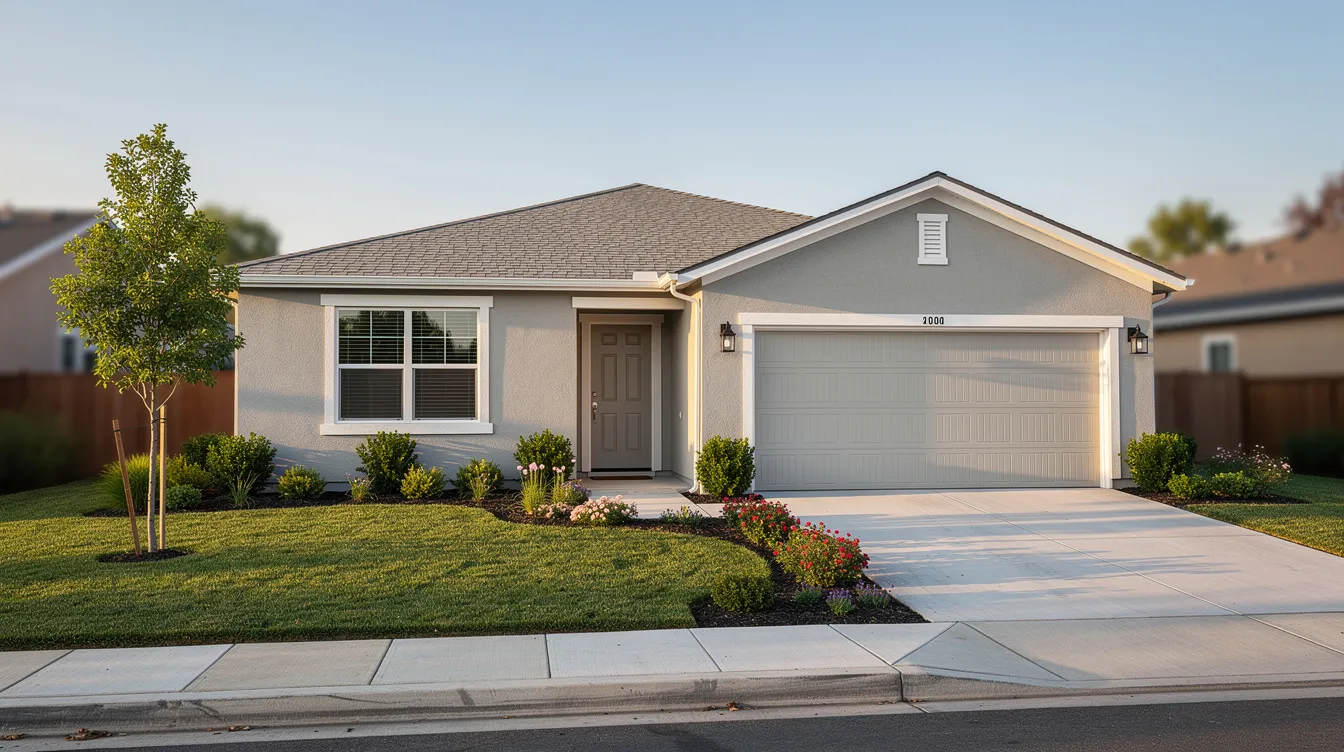
The goal of house flipping is simple: buy low, renovate, and sell high quickly. But doing it once as a side project and running a real house flipping business are two completely different things. One gets you a story. The other gets you a livelihood.
In 2026, flipping houses can still net you $30K to $70K per project when the numbers work. According to the ATTOM 2025 U.S. Home Flipping Report, about 297,045 single family homes and condos were flipped in 2025, with a median gross profit of $65,981 per deal and a typical gross ROI of 25.5%. The average time from purchase to resale sat at 163 days, roughly five and a half months. Those are national medians. Some markets do better. Some do worse. The point is that this is still a viable business, but the margins are tighter than the TV shows suggest, and flipping homes requires strict financial discipline and conservative budgeting to manage those tighter profit margins.
If you already know that flipping houses can be lucrative but feel stuck on financing, business structure, or avoiding expensive house flipping mistakes, you're in the right place. This article covers the fundamentals of building a real estate flipping operation, walks through the detailed how to, and then shows you exactly where the funding gap lives and how to close it using capital stacking tools. No fluff. Just the stuff that actually matters when your own money is on the line.
What Is House Flipping and How It Became a Full Time Business
House flipping in concrete terms means buying a distressed or undervalued property, renovating it, and reselling it within roughly 3 to 12 months for a profit. It differs from strategies like BRRRR (buy, rehab, rent, refinance, repeat) or holding rental properties because your capital is returned faster but you need to keep finding new deals to keep the engine running.
A house flipping business is not the same as doing a one off flip. It means building systems:
- A repeatable deal sourcing pipeline (wholesalers, direct mail campaigns, driving for dollars)
- Standardised rehab scopes of work with vetted contractors
- A financing stack you can deploy deal after deal (hard money plus gap funding)
- Post sale reviews and metric tracking to improve with each project
Here is a real example. A 2025 flip of a 3 bed, 2 bath ranch in Phoenix was purchased for $210,000, rehabbed for $70,000, and sold at an ARV of $385,000, producing roughly $55,000 in gross profit before financing and holding costs. That is a solid outcome for a single project. The serious flippers doing this full time might run three to six of those per year across specific zip codes and price tiers, specialising in entry level homes built in the 1970s through 1990s that need cosmetic and light mechanical updates.
Pros and Cons of Running a House Flipping Business
Before you quit your W2 or pour your savings into real estate investing, you need to see both sides clearly.
Pros:
- Strong profit potential per project. Flipping houses can yield high returns. In Texas, for instance, the average gross profit for house flips is $80,000, partly because Texas has no state income tax for house flippers
- Faster capital velocity than rentals. Your money comes back in months, not years
- Skill building. You learn construction management, negotiation, and market analysis simultaneously
- Transition options. A successful flipping business can naturally evolve into development, BRRRR, or a portfolio of rental properties
Cons:
- Income is lumpy. You might close three deals in one quarter and zero the next
- High cash demands. Down payment, rehab, holding costs, and closing costs add up fast
- Budget overruns are common. Unanticipated costs are a reality in virtually every house flipping project
- Market exposure. Selling time for flipped houses can vary significantly based on market conditions, and timing the market effectively can influence profitability in house flipping
One critical distinction many new real estate investors miss: the difference between gross profit and net profit. A typical gross profit from flipping houses was $67,000 in Q1 2022. But gross profit only measures the spread between the purchase price and the sale price. It excludes rehab, holding, financing, and selling costs. Your net profit after all those expenses is materially lower, often $35K to $50K on a deal that looked like $65K on paper.
How the 70% Rule and After Repair Value (ARV) Protect Your Profits
After repair value is the estimated market value of a property after repair, based on recent comparable sales in the same neighbourhood. This is the single most important number in any house flipping project.
The classic 70% rule works like this: the 70% rule suggests paying no more than 70% of ARV minus repairs. In some hot metros you might stretch to 72% to 75%, and in slower markets you might want to stay at 65% or lower.
Here is the math in practice:
- ARV: $400,000
- Estimated repairs: $60,000
- 70% of ARV = $280,000
- Maximum purchase price: $280,000 minus $60,000 = $220,000
- If you pay $240,000 instead, that $20,000 overpayment compresses your profit margin directly, dollar for dollar
The 70% rule suggests buying properties for 70% of ARV minus repairs because it builds in room for closing costs, holding costs, selling commissions, and the unexpected. Small miscalculations at acquisition compound throughout the project.
Hard money lenders and gap funders often underwrite based on a property's after repair value and total project cost. So accurate ARV and repair estimates do not just protect your margin, they directly affect whether you get funded.

Designing Your House Flipping Business Model (Not Just One Flip)
A single profitable flip is great. A repeatable business model is where real wealth gets built. Here is what that framework looks like:
- Acquisition pipeline: Consistent deal flow from real estate wholesalers, direct mail, driving for dollars, foreclosure listings, and absentee owners. You need more leads than you can close so you can be selective
- Rehab process: Standardised scopes of work by property type. A cosmetic flip on a 1,400 sq ft 3 bed has a template. You are not reinventing the wheel each time
- Financing stack: A primary lender (hard money or DSCR) plus secondary capital for gaps (down payment, earnest money deposit, early rehab draws). This gets assembled before you make offers, not after
- Resale and marketing: Investor friendly real estate agent, professional photos, competitive pricing based on comparable sales, and staging where appropriate
- Cash flow management: Tracking exactly when money comes in and goes out between deals so you are not scrambling mid rehab
The most successful investors track metrics obsessively: average days from closing to demo start, days on market, average rehab cost per square foot, and variance between budget and actual spend. Buying at true wholesale pricing matters more than fancy finishes. You cannot design your way to profit if you overpaid at acquisition.
Choosing the Right Business Structure for Your Flipping Business
Your legal structure matters for liability, taxes, and lending. Here are the common options for a real estate investing business:
- Sole proprietorship: Simple but offers zero liability protection. Not recommended beyond your first flip
- Single member LLC: Most common for newer flippers. Separates personal assets from business risk
- Multi member LLC: For partnerships or JV arrangements with other investors
- S corp taxation election: For active flippers doing enough deal volume, this can reduce self employment tax. Talk to your CPA
Many real estate professionals use a separate LLC for each project or a master LLC with project specific entities underneath. This segregates risk so one bad deal does not take down everything.
Lenders, hard money lenders, and gap funding providers often prefer lending to an entity rather than an individual. If you plan to scale, form your entity before your first flip. In Texas, you do not need a license to flip houses, which lowers the barrier, but you still need the right business structure in place. Consult an attorney or CPA before your second project at the latest.
Writing a Simple House Flipping Business Plan
A written business plan is not bureaucratic nonsense. It is how you convince private lenders, hard money lenders, and yourself that you are running a real business, not gambling.
Your plan should cover:
- Target market: City, neighbourhood, and price band. Understanding the specific local market dynamics is essential for flipping homes
- Property type: 2 to 4 bedroom single family residences, small multifamily, or condos
- Renovation level: Light cosmetic, medium (kitchen, bath, flooring), or heavy (structural, mechanical)
- Exit strategy: Primary is fix and flip, but planning proper exit strategies reduces risk in case the initial plans fail. Your backup might be converting to a mid term rental or BRRRR if flips are slow to sell
- Annual goals: Start concrete. Three flips at $35K net profit each in year one. Six to eight flips by year three
- Contingency plans: What happens if the real estate market softens mid project?
For a deeper dive on structuring your plan, check out how to create a winning business plan for house flipping. And if you are focused on Texas specifically, the fix and flip loans in Texas guide covers the state level detail.
Calculating Startup and Project Costs for a House Flip
This is where most new flippers get tripped up. The purchase price is just the beginning. Here is a realistic breakdown for a $300K ARV starter home in 2026:
- Down payment or equity injection: 10% to 20% of purchase price if using hard money ($21K to $42K on a $210K purchase)
- Closing costs on acquisition: Title, escrow, origination points, inspections. Typically 2% to 5% of purchase ($4K to $10K)
- Rehab budget: $35,000 for a light to medium cosmetic rehab
- Rehab contingency: Leave a 10% to 15% budget buffer for unexpected renovation costs ($3,500 to $5,250)
- Holding costs: Holding costs include taxes, insurance, and loan interest incurred while owning the property. On a 6 month hold at 12% hard money interest, you might carry $12K to $15K in interest alone, plus property taxes, utilities, and insurance
- Selling costs: Agent commissions (5% to 6% of sale price = $15K to $18K), concessions, and closing costs
Add it all up and your total project cost on a $300K ARV flip might run $105K to $130K depending on leverage. That is tens of thousands more than most beginners budget for. Expecting renovation costs to exceed estimates necessitates budgeting a financial contingency buffer on every single deal.
Underestimating startup capital causes many house flipping businesses to stall after one deal. You close, spend everything on rehab, and have nothing left for the next acquisition.
Funding Your House Flipping Business: How to Stack Capital
Let me walk you through the primary funding sources for a flipping business:
- Cash: Fastest, cheapest, but limits your deal volume and ties up your own cash
- Traditional mortgage: A traditional mortgage is a common financing option for flips, but most conventional lenders will not finance distressed properties or short hold times
- Hard money loans: Asset based, short term, fast to close. The workhorse of fix and flip financing
- Private lenders: Friends, family, or other investors who lend at agreed terms. Creative financing options include hard money loans and private lenders
- Gap funding: Unsecured term loans, 0% business credit card stacking, HELOCs, and business lines of credit that fill the shortfall between your primary lender and your total project cost
The concept of a "capital stack" for a flip looks like this: a main loan (usually hard money) covers 65% to 80% of acquisition and rehab. Secondary sources cover the remaining down payment, closing costs, reserves, and potential overruns.
About 40.5% of flipped homes are purchased using financing, not all cash. And newer real estate investors often underestimate funding needs beyond the purchase. This is the "funding gap," and it is exactly where Gap Funded specialises.
Typical qualification for many unsecured term loans and 0% stacking options starts at a 650 or higher FICO, with verifiable income and clean recent credit history.
How Gap Funding Closes the Real World Financing Gap
The "funding gap" is the shortfall between what your primary hard money or DSCR lender covers and your total project cost. It is not a small number.
Here are the most common gaps for house flippers:
- 10% to 20% down payment that hard money will not cover
- 3% to 5% in closing costs at acquisition
- Earnest money deposit required before closing (often $1K to $10K depending on market)
- First 1 to 2 months of rehab costs before your lender releases draws
- Working capital for materials, subcontractor deposits, and permits
Gap Funded fills these shortfalls using tools like unsecured personal term loans, business credit card stacking at 0%, HELOCs, and lines of credit. No equity splits. No liens on the flip property. No gator style joint ventures where someone takes a chunk of your deal.
This matters because every dollar you give up in equity or high interest costs comes directly off your profit margin. For a deal netting $45K, a 25% equity split to a JV partner costs you over $11K. Gap funding tools let you keep the upside while solving the cash problem.
If you want to check your options with a soft pull that does not impact your credit, you can do that at gapfunded.com/apply.
Using Hard Money Loans and Hard Money Lenders the Smart Way
Hard money loans are asset based short term loans, usually 6 to 18 months, from hard money lenders who use the purchase price or ARV as primary collateral. Hard money lenders focus on property value, not credit scores, which is why they are the go to for real estate flipping.
Typical hard money terms in 2026:
- Interest rates: 9% to 14%
- Origination fees: 1 to 4 points
- LTV: 65% to 80% of purchase or 70% to 75% of ARV
- Cash to close: 10% to 20%
- Rehab funds: held in escrow and released via draws after inspections
- Funding speed: 3 to 10 business days
The critical point: hard money loans often will not cover 100% of purchase and rehab. That gap between what they fund and what you actually need is real money you have to bring from somewhere.
When does hard money alone work? For experienced flippers with large cash reserves who can comfortably cover 20% down plus contingencies from their own money. When does pairing it with gap funding make more sense? For newer investors doing their first flip, or for experienced operators who want to preserve cash to run multiple properties simultaneously.
Gap Funded Tools: Credit Card Stacking, Term Loans, and HELOCs
Here is where the rubber meets the road. Gap Funded offers three primary tools for real estate investors and house flippers, and the order matters because applying out of sequence can knock out later approvals.
- Credit card stacking: Business credit cards at 0% introductory rates. Best for materials, smaller contractor draws, staging, utilities, and other line items under $5K to $15K each. You need decent credit and manageable utilisation to qualify.
- Unsecured personal term loans: Fixed rate, no collateral on the deal property. Best for down payment, earnest money deposit, and larger chunks of rehab where you need $20K to $120K in one hit. Typically requires 650 plus FICO and verifiable income.
- HELOC on a primary or investment property: Flexible reserve and contingency funding. Draw what you need, pay interest only on what you use. Great for covering unexpected repair costs or bridging a slow sale. Requires sufficient equity in a property you already own.
Applying at gapfunded.com/apply triggers only a soft credit pull for initial options, so there is no impact to your credit just to see what is available.
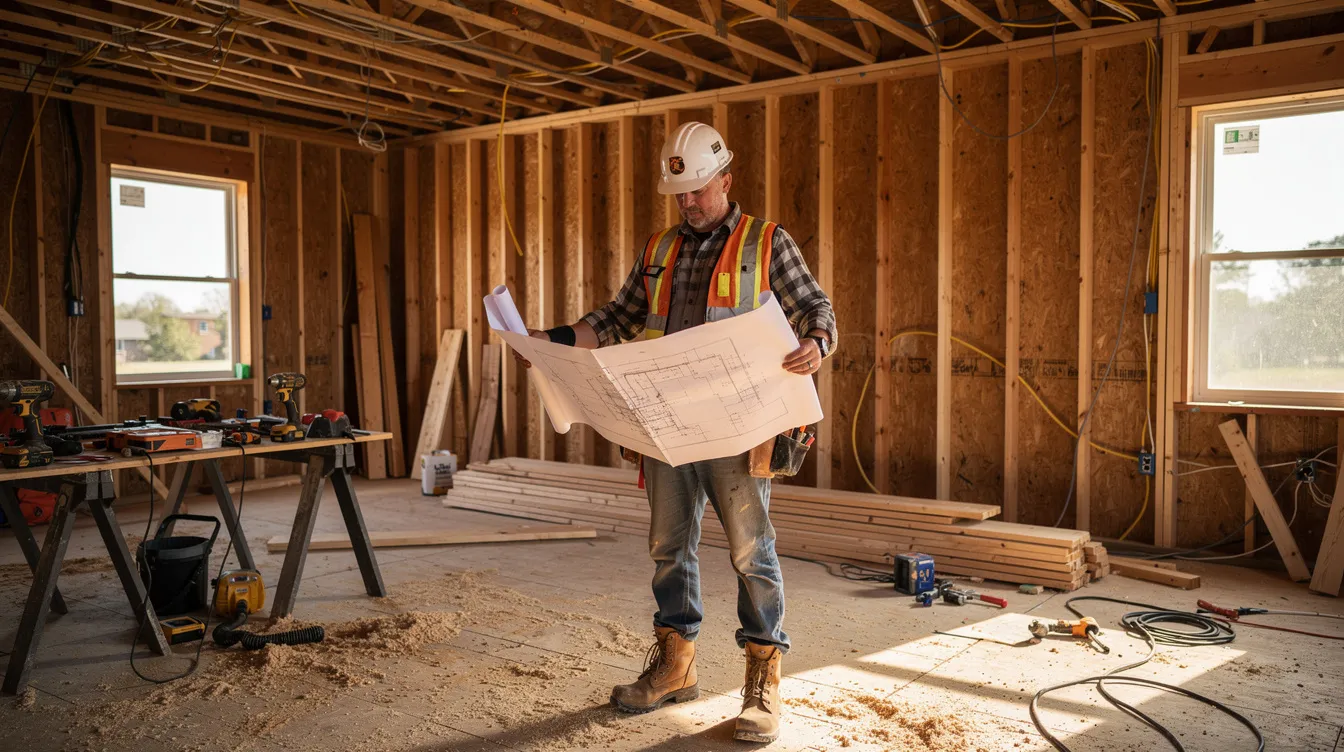
Step by Step: How to Start a Flipping Houses Business in 8 to 10 Core StepsStep by Step: How to Start a Flipping Houses Business in 8 to 10 Core Steps
Think of this as the big picture roadmap. Each step gets deeper treatment in the sections above and below. Here is the sequence:
- Pick your market and price band. Research median home prices, days on market, and local market conditions. Focus on areas with strong demand from cash buyers and owner occupants
- Choose your business structure. Form your LLC, get an EIN, open a business bank account
- Build your professional team. Real estate agent, contractors, attorney, CPA, title company (more on this below)
- Secure preliminary funding or proof of funds. Get pre approved with a hard money lender and line up gap funding so you can move fast
- Establish lead generation. Set up sourcing through wholesalers, direct mail campaigns, driving for dollars, the multiple listing service, foreclosure listings, and short sales
- Analyse deals using ARV and the 70% rule. Run comps, estimate rehab, calculate your maximum allowable offer
- Make offers and negotiate. Target motivated sellers, distressed properties, and absentee owners
- Manage rehab and inspections. Execute your scope of work, manage the job site, pull permits, schedule inspections
- List, market, and sell. Price competitively based on comparable sales, stage if needed, and manage the closing process
- Review performance and repeat. Do a post mortem on every deal. Log what worked, what did not, and update your playbook
This is not a weekend project. But it is entirely learnable if you treat it like the business it is.
Finding the Right Properties: Driving for Dollars, Wholesalers, and Auctions
Acquisition is everything. You make your money when you buy, not when you sell. Acquisition requires finding properties priced below market value, and that takes work.
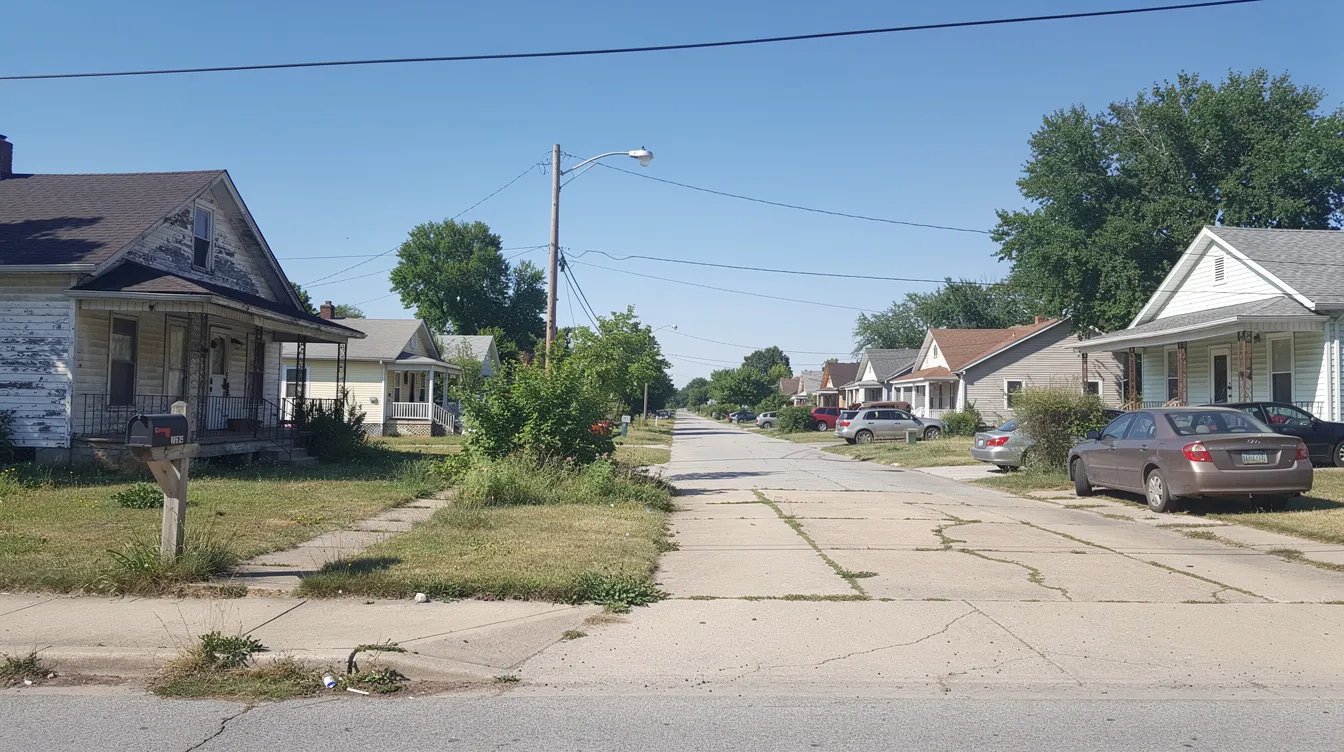
Driving for dollars involves searching neighbourhoods for distressed properties: overgrown yards, boarded windows, code violation tags, mail stacking up. You note addresses, skip trace the owners, and send targeted outreach. Properties should ideally not have sold in the last three years, which often signals motivated sellers sitting on equity.
Real estate wholesalers are another core source. Get on their buyers' lists, evaluate assignment fees carefully, and always verify that the deal still meets your ARV and 70% rule criteria after the wholesale fee. Wholesaling real estate is a legitimate strategy, but you still need to do your own due diligence.
Foreclosure listings and auctions (courthouse steps and online) can produce deeply discounted deals, but carry real financial risk: no contingencies, cash requirements upfront, and limited property inspection. Understanding the specific local market dynamics is essential because what works in up and coming areas of Dallas may not fly in a cooling suburb of Denver.
Direct mail is a common strategy for finding properties, especially when targeting absentee owners, out of state landlords, and properties with code violations. Finding deals is a numbers game. More leads in, more profitable deals out.
Analysing Deals: From After Repair Value to Maximum Allowable Offer
House flipping success hinges on precise calculations and controlling renovation costs. Here is the framework:
- Estimate ARV. Pull 3 to 5 comparable sales within a half mile, similar size, age, and condition. Use the multiple listing service and property listings. Adjust for differences. This gives you the home's after repair market value
- Estimate rehab cost. Walk the property, create an itemised scope, and get contractor bids. Interview multiple contractors to compare repair costs and timelines. Budget a 10% to 15% contingency
- Calculate maximum allowable offer (MAO). The 70% rule suggests paying no more than 70% of ARV minus renovation costs
- Layer in all other costs. Closing costs on purchase (2% to 5%), holding costs (interest, property taxes, insurance, utilities), selling costs (agent commissions, buyer credits), and financing costs (points, origination)
- Determine net profit. If your net profit after all costs is below $30K, the deal may not justify the risk
A worked example: a 1,500 sq ft property with an after repair value of $380,000 and $42,000 in rehab. Using the 70% rule, your MAO is roughly $224,000. After all closing, holding, and selling costs, net profit came to about $45,400, roughly 12% of ARV. That is a profitable flip, but if rehab overruns by 10% to 15% or the sale price comes in 5% below comps, your margin gets cut in half fast.
Building Your Real Estate Power Team
Building a reliable team of professionals is crucial for success in house flipping. You cannot scale a flipping business as a one person show. Here are the core roles:
- Investor friendly real estate agent: Someone comfortable pulling ARV comps, writing competitive offers quickly, and handling off market deals. Not every agent fits this mould
- General contractor: Licensed, insured, with references and sample work in your target property type. Check their familiarity with city permit offices and inspectors
- Key subcontractors: Electrician, plumber, HVAC tech, roofer. Having direct relationships with subs gives you backup if your GC is booked
- Real estate attorney: For contracts, entity formation, and local regulations
- Title and escrow company: Experienced with investor transactions and quick closings
- CPA familiar with flipping: Dealer status, cost basis, self employment tax, state specific rules
Start building this team before your first official house flip. Network through local real estate investor associations, BiggerPockets meetups, and online communities. Finding the right property means nothing if you do not have the right people to execute.
Managing Renovations Without Blowing Your Budget
Renovation involves managing contractors and controlling project timelines and budgets. Here is how to stay on track:
- Create a detailed scope of work (SOW) tied to your ARV and neighbourhood expectations. Renovating for local buyers should prioritise broadly appealing updates. Do not over improve for the area. A $15K countertop in a $250K neighbourhood is money you will never recoup
- Focus on high ROI updates: Modern buyers value updated kitchens and bathrooms for move in readiness. After that, prioritise flooring, curb appeal, and mechanical essentials (roof, HVAC, electrical, plumbing) where needed
- Manage timelines aggressively: Set realistic durations for demo, rough ins, inspections, finishes, and punch list. Aim to keep projects under 6 months
- Use progress based payments: Pay contractors on completion milestones, not upfront. Obtain necessary permits before starting renovation work to avoid inspection failures that delay everything
- Watch for value killers: Property resale can face challenges from poor floor plan layouts and inadequate lighting. If a property has structural layout issues, factor that into your rehab budget or walk away
Every extra month on a flip costs you in interest, insurance, taxes, and opportunity cost.
House Flipping Mistakes Beginners Make (and How to Avoid Them)
Here are the mistakes I see most often, and I reckon most experienced house flippers would agree:
- Overpaying at acquisition. Emotional bidding or using stale comps to justify a higher price. The 70% rule exists for a reason
- Underestimating rehab. Not budgeting for the hidden stuff: sewer lines, foundation cracks, asbestos, termite damage. You will lose money if you skip thorough due diligence
- Skipping property inspection. A $500 inspection can save you $50,000 in surprises
- Ignoring holding costs. A 2024 flip in the southeast saw contractor delays add two extra months, copping roughly $8K in additional interest and carrying costs. That cut the profit nearly in half
- Using the wrong comps. Comparable sales need to be recent (under 6 months), within a half mile, and similar in size, age, and finish level
- Failing to line up financing before making offers. Finding profitable deals is pointless if you cannot close on them. Have your capital stack ready
- No post mortem. Successful investors do a review after every project: what went right, what went wrong, what to change next time
A disciplined buy box, detailed due diligence, and a secured capital stack including gap funding prevent most of these problems. The average gross profit from house flipping was $67,000 in Q1 2022, but the flippers who actually kept most of that were the ones who controlled their costs ruthlessly.
Risk Management: Legal, Permits, and Compliance
Flipping houses in Texas requires understanding local regulations and permits, and the same is true in every state. Here is what to keep on your radar:
- Building permits: Required for most structural, electrical, plumbing, and HVAC work. Skipping permits risks fines, failed appraisals, and buyer walk aways
- Code inspections: Hard money and institutional lenders often require permits and inspections as part of their draw process, which also protects you as the investor
- Seller disclosure laws: Know what you are required to disclose about the property's condition at resale
- Contractor licensing and insurance: Verify your GC is properly licensed. If they are not, you carry the liability
- Insurance coverage: Builder's risk and general liability policies during rehab. Standard homeowner's insurance does not cover active construction
You do not need a real estate license to flip houses in most states, including Texas. But acting as your own general contractor or real estate agent may require specific licences depending on local rules. Check city and county websites and consult local real estate professionals before closing on a heavy rehab property.
Scaling From One House Flip to a Sustainable Flipping Business
Moving from your first flip to multiple concurrent projects changes everything. You need more robust systems, larger operating reserves, and deeper lender relationships.
Here is what scaling looks like in practice:
- Run 2 to 4 projects simultaneously by staggering acquisition, rehab, and sale timelines
- Build documented processes: checklists, contractor scopes, offer templates, budget templates. New team members need to step in without you explaining everything from scratch
- Decide whether to stay purely as a fix and flipper or add BRRRR and rental properties for more stable income between flips
- Track deal volume and margin per deal to spot when you are growing revenue but shrinking profit
- Consider hiring a project manager or property managers to handle day to day oversight on the job site
Gap Funded's capital stacking can help experienced flippers run multiple projects at once by freeing cash from down payments and rehab overruns. Instead of tying up $60K of your own cash on one deal, you deploy $15K to $20K and fill the rest with term loans and credit stacking, then repeat across 3 projects. That is how you maximise profit across a portfolio, not just a single deal.
Cleaning Up Old Debts and High Interest Balances Before You Scale
Here is something most people do not talk about enough: if you are carrying heavy personal credit card balances and high interest consumer debt, it can choke your flipping business before it grows.
High utilisation kills your borrowing capacity. If you have 4 to 6 maxed cards and your FICO is sitting at 660 when it could be 720, you are leaving tens of thousands in available funding on the table.
Debt consolidation through Gap Funded can simplify payments, potentially reduce monthly outflows, and clean up your utilisation before you stack new business credit. It is not magic. It works best for investors committed to stricter budgeting and using new credit only for income producing investments.
If you have a big flip coming up and your credit profile is messy, consolidation first can be the difference between qualifying for $80K in gap funding versus $30K.
When "No Money Down" House Flipping Is Realistic (and When It Is Not)
I will be straight with you. Fully "no money down" flips are rare, and anyone promising otherwise is probably trying to sell you a course. Even with strong deal spread, your earnest money deposit, closing costs, or early rehab draws require some cash.
That said, low cash structures do exist:
- JV partnerships where you bring the deal and management, and a partner brings capital
- Lender plus gap funding combos where hard money covers 80% and unsecured term loans cover most of the rest
- HELOCs on a property you already own, used to fund down payment and closing costs
Where low cash works: deals with large ARV spreads, minimal rehab, strong credit, and access to lines or term loans. Where it falls short: thin spread markets, heavy rehabs, weak comparable sales, or when you have high existing debt.
Gap Funded can dramatically reduce the cash you need to bring to a deal. But I always encourage keeping at least minimal reserves for emergencies. Running completely dry mid project is how you lose money on a deal that should have been profitable.
Is a House Flipping Business Right for You? Key Takeaways and Next Steps
A house flipping business in 2026 is absolutely viable, but it rewards the disciplined, not the dreamers. Here is what matters:
The real estate market favours investors who buy right using the 70% rule, build reliable teams, manage renovation costs tightly, and plan for the unexpected. Market research, accurate ARVs, and conservative budgeting are not optional. They are the foundation of every profitable deal.
The biggest hurdle for most new house flippers is not finding deals. It is closing the funding gap: the down payment, closing costs, rehab draws, and reserves that your primary lender will not cover. That is exactly where Gap Funded fits. We help you stack capital using unsecured term loans, 0% credit card stacking, and HELOCs so you can close without giving up equity or putting a lien on your flip.
If you have a 650 or higher FICO, verifiable income, and serious intent to start flipping houses or scale your existing flipping business, you can check your options with a soft pull at gapfunded.com/apply. No impact to your credit. No obligation. Just a clear picture of what is available so you can move on your next deal with confidence.
The deals are out there, mate. The funding gap is solvable. The question is whether you are ready to run this like a real business.
Related Reading
This article is for educational purposes only and isn't financial, legal, tax, or investment advice. Credit and financing outcomes depend on your own situation. Talk to a licensed financial professional before making funding decisions for your business.