
How to Flip a Condo in 2026: Step by Step, ARV Math and Funding the Gaps

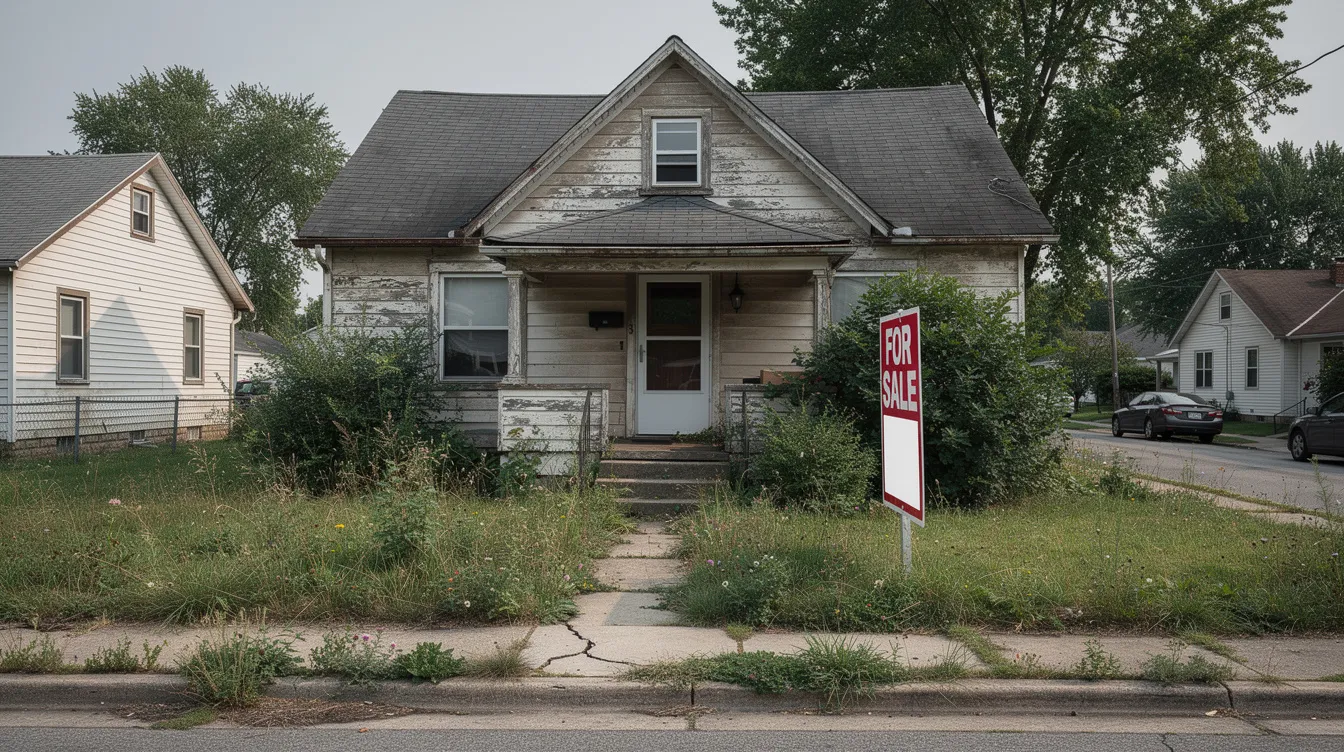
Flipping a condo requires a distinct strategy compared to single family homes. You are dealing with HOA boards, shared walls, master insurance policies, and a valuation ceiling influenced by square footage and building amenities rather than lot size or curb appeal. The core idea is the same basic equation as flipping houses: buy low, add value through appropriate upgrades, and sell quickly for a profit. But condos layer on risks that catch investors off guard.
This guide covers how to purchase property wisely, calculate after repair value, manage your renovation and repair budget, and fill the funding gap so you keep 100% of your upside.
How Condo Flipping Works (and How It Differs from Houses)
Condo flipping follows a tight cycle: find a unit, purchase property, renovate, stage, list, and sell within 3 to 9 months. The profit formula is straightforward. Flipping properties involves buying low and selling high quickly, and fast execution is critical due to ongoing holding costs like HOA dues and financing.
Where it differs from a house flip:
- Monthly HOA fees can significantly impact profit margins during condo ownership. You incur carrying costs every single month whether the unit is finished or not.
- Shared structures limit renovation scopes to interior changes only. You cannot add a bedroom, raise the roof, or change the facade.
- Quick sales reduce costs like mortgage and utilities. Carrying costs increase the longer a property remains unsold, and condos compound that with HOA dues that never pause.
Concrete example: A 2 bedroom condo in Miami purchased in January 2025 for $260,000 with $35,000 in cosmetic renovations resold in October 2025 for $355,000. Gross profit looked like $60,000, but after HOA fees, insurance, taxes, interest, and selling costs, net dropped closer to $42,000 to $45,000. Timing and location drive returns in real estate, and that deal worked because the investor kept the timeline under nine months.
Step by Step: How to Flip a Condo from Deal Sourcing to SaleStep by Step: How to Flip a Condo from Deal Sourcing to Sale
Every deal follows the same process. At each step, think about where the funding gap sits and how to plug it without giving up equity.
Find the Right Condo to Flip
Work with an investor friendly real estate agent or source off market leads in older but well located buildings. Condos often have high competition from new developer units affecting resale prospects, so target buildings where a cosmetic refresh puts you at the top of the comp set rather than competing against brand new construction.
Conduct due diligence including review of HOA health and financial reserves before making an offer. HOA rules can restrict renovations, leasing, and contractor work hours, all of which affect your timeline and bottom line.
Must check items before you commit:
- Reserve study and pending special assessments
- Owner occupancy ratio (low ratios spook lenders)
- Rental restrictions or caps
- Days on market for similar units in that building
- Any active litigation against the HOA
Determine the After Repair Value (ARV) for a Condo
ARV is the estimated selling price after repairs. It is speculative and requires thorough market research. Study recent comparable sales strictly from the same building or complex for accuracy, because condos share layouts and amenities, making the property's potential ARV range tighter than detached homes.
Researching comparable sales helps determine ARV. Here is how to pull comps for a specific market:
| Comp | Unit | Sold Date | Size | Sale Price |
|---|---|---|---|---|
| 1 | 2BR / 2BA, Building A | March 2025 | 1,050 sqft | $485,000 |
| 2 | 2BR / 2BA, Building A | May 2025 | 1,080 sqft | $498,000 |
| 3 | 2BR / 2BA, Building B | July 2025 | 1,040 sqft | $505,000 |
A realistic ARV for a similar flip started in early 2026 in downtown Denver would be $495,000 to $500,000, adjusted based on current market conditions and the building's amenities.
Do the Math: Maximum Purchase Price and Profit Cushion
Flippers aim for a profit of 15% of the ARV. Apply the 70% rule to determine maximum purchase prices for condos:
Maximum purchase price = (ARV × 0.70) minus total costs
Example: ARV $400,000 × 0.70 = $280,000. Subtract $35,000 rehab and $25,000 in holding plus selling costs. Your target profit margin lands around 12% to 18% with a maximum purchase price near $220,000 to $245,000.
Specific projected costs to budget for:
- Acquisition: price, closing costs, earnest money
- Rehab: materials, labour, permits
- Carrying costs: HOA dues, interest, taxes, insurance
- Selling: agent commissions, staging, closing credits
- Contingency reserves of 10 to 20% are recommended for renovation budgets
Each flipping deal requires fine tuning based on projected costs and your personal goals. In many markets through 2025 and 2026, many investors accept slimmer margins, but most flippers still target at least 10% to 15% net after all likely financial costs.
Purchase Property and Manage the Renovation
Establish a realistic budget for renovations and repairs before demo day. Renovation budgets should align with buyer expectations, so do as much research as you can into what cost conscious buyers in that neighbourhood actually want.
High ROI improvements include updating kitchens and bathrooms without major structural changes. Market analysis must account for buyer profiles to tailor renovations effectively. A precisely marketable unit in today's market typically includes:
- Modern LVP flooring replacing old carpet
- Updated lighting and hardware
- Fresh neutral paint
- Refreshed cabinets and countertops
All work must comply with HOA rules and building regulations. Board approvals for flooring changes or plumbing work can add weeks, so get those sorted before your contractor starts. Renovations should meet buyer expectations to maximise resale potential. Aim for 30 days of rehab on a light cosmetic flip, 60 to 90 days max on heavier work.
Sell for a Profit: Staging, Pricing, and Timing
The final step is getting the unit sold. Selling quickly after renovations minimises carrying costs. List the condo within one to two weeks of completion.
Market timing is important; listing during peak selling seasons can increase visibility. Staging and professional photography can significantly enhance buyer appeal, especially for smaller condos where you need to visually maximise space. Many flippers prefer direct sales, but in most cases hiring a real estate agent who knows the building gets you better pricing and faster results.
In strong urban submarkets, expect 20 to 45 days on market. Slower suburban or oversupplied buildings may stretch to 60 to 90 days. That is where carrying costs start eating your profit.
Key Risks and Mistakes in Condo Flipping (and How to Avoid Them)
Flipping condos can look simpler than flipping houses. It is not. Condo flipping requires patience, skill, and adequate funds. Here are the landmines:
- Unexpected assessments or HOA restrictions can adversely affect profit margins. A California building recently hit owners with HOA fees exceeding $20,000 per unit for structural repairs. Always review the reserve study.
- Mispricing ARV. A speculative ARV based on single family comps instead of same building sales will wreck your numbers. Success depends on accurate data.
- Insurance risk. Condo sales hit a 10 year low in mid 2025 partly because master insurance premiums surged, driving up HOA dues and market changing increases in monthly costs.
- Overbudgeting the timeline. Every extra month of HOA fees, taxes, and interest is money out of your pocket. Save money by keeping rehab tight and listing fast.
Funding the Condo Flip: How to Cover the Gap Without Giving Up Equity
Even when a hard money or DSCR loan covers most of the purchase, many investors still face a huge gap. Consider a $320,000 purchase with 20% down ($64,000), $10,000 closing costs, $40,000 rehab, and $10,000 in reserves. That is $124,000 in cash you need beyond what the primary lender provides.
That is a huge part of why deals stall. Here is one specific way to solve it without equity partners who want a cut of your profit.
Tool #1: Unsecured Term Loans for Down Payments
Unsecured term loans through Gap Funded can deliver $25,000 to $250,000 to cover down payments, closing costs, and initial rehab draws. No lien on the condo itself, predictable monthly payments, and speed when you need to lock up a deal. Typically requires 650+ FICO and verifiable income. This is the first layer because it keeps your credit utilisation clean for the next tools.
Tool #2: Business Credit Card Stacking at 0% for Rehab and Holding Costs
Business credit card stacking creates a flexible pool of 0% introductory APR funding for materials, labour deposits, appliances, and even HOA dues during rehab. A $40,000 stack on a $300,000 condo flip covers your entire renovation and repair plan interest free for 12 to 18 months. This tool works best after term loans are in place. Applying out of order can knock out later approvals. That sequencing is a huge deal most investors miss.
Tool #3: HELOCs for Serial Condo Flippers
Experienced investors who own a home or investment property can tap a HELOC for a reusable funding source. Variable rates and a lien on your collateral property are the trade offs, but for repeat flippers it is often cheaper than unsecured options and resets after each sale. Many repeat condo flippers combine all three tools for maximum flexibility.
When Condo Flipping Makes Sense for You
If you have decent credit (650+), some cash reserves, and the willingness to evaluate HOA documents and study recent comparable sales before writing an offer, condo flipping can be a strong investment. Success depends on doing the maths honestly, budgeting for every financial cost including necessary updates and holding expenses, and keeping your timeline tight.
I reckon the biggest mistake I see is investors sitting on the sidelines because they cannot cover the full capital stack out of pocket. That is exactly what Gap Funded solves. No equity splits, no liens on your deal property, soft credit pulls to check your options.
If you want to see what you qualify for, apply here. It takes a few minutes, does not ding your credit, and you will know where you stand before your next deal.
Related Reading
This article is for educational purposes only and isn't financial, legal, tax, or investment advice. Credit and financing outcomes depend on your own situation. Talk to a licensed financial professional before making funding decisions for your business.