
Best Fix and Flip Hard Money Lenders (and How Gap Funding Can Boost Your Deals)

Introduction: Fix and Flip Hard Money Lenders in 2026
This guide is for real estate investors, from first-time flippers to experienced operators, seeking to understand and maximize fix and flip hard money lending options in 2026.
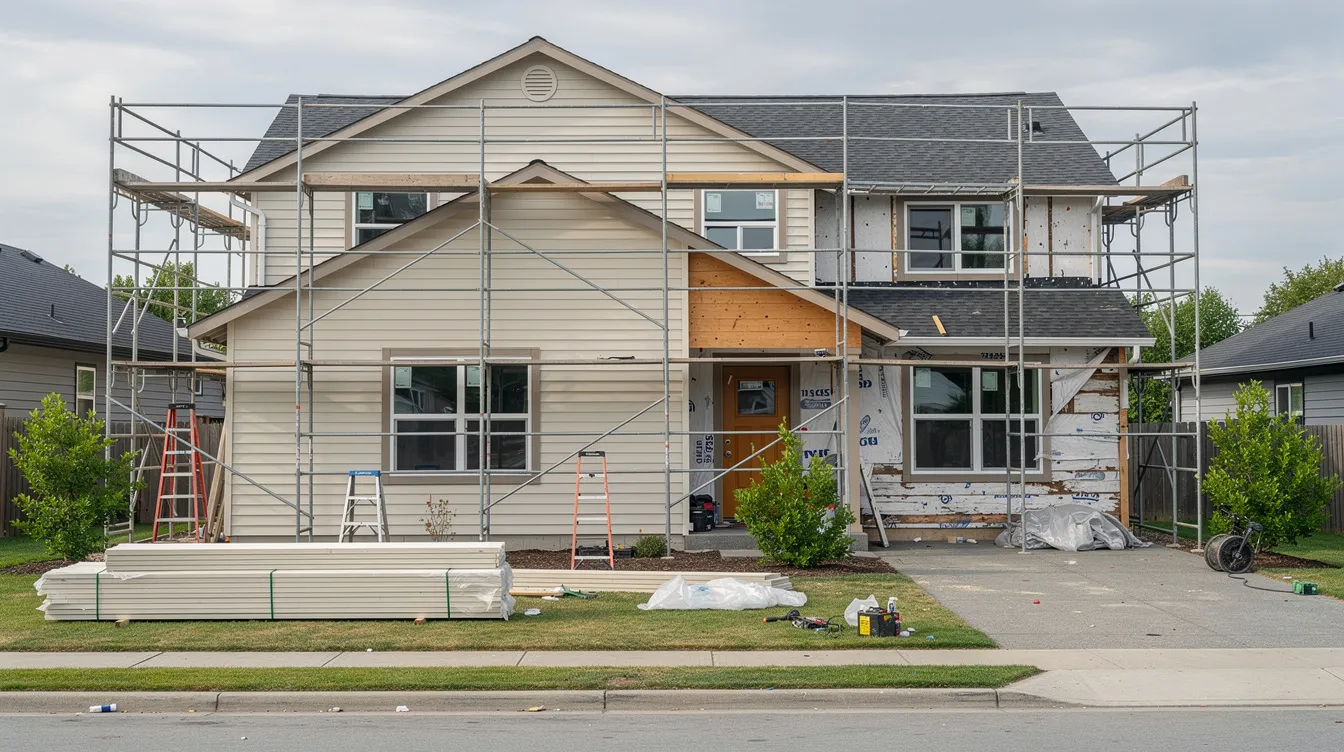
A fix and flip hard money lender is a private, short-term, asset-based lender that provides real estate investors with the capital to purchase distressed properties, renovate them, and resell for profit. Hard money loans are primarily used for purchasing and renovating distressed properties, and they exist because traditional bank loans are too slow, too restrictive, or simply unavailable for the types of deals flippers pursue.
In 2026, these lenders matter more than ever. Banks remain cautious about fix and flip financing, and rising interest rates have made conventional financing harder to access for investment property deals. Hard money loans are useful for real estate investors needing quick funding for competitive deals, whether you're bidding on an auction, chasing off market deals from a wholesaler, or trying to lock up a property before another buyer does.
This guide ranks the leading types of fix and flip hard money lenders you'll encounter and shows how Gap Funded can stack additional funding on top of your hard money loan to cover down payment, rehab costs, and closing costs without equity splits or liens on the deal property. Throughout, we'll use concrete ranges like common ARV caps of 70 to 75 percent, typical terms of 6 to 18 months, and real deal math so you can make informed decisions about your next deal.
How We Chose the Best Fix and Flip Hard Money Lenders
Not all hard money lenders are created equal, and the "best" one for your situation depends on whether you're a first-time flipper, a repeat investor running multiple projects, a BRRRR strategist, or someone who needs 100 percent financing through a combination of hard money and gap funding. Below are the criteria that matter more than brand names.
Speed and Certainty of Close
Hard money loans typically close within 7 to 14 days once the term sheet is issued and title and documents are clean. Many hard money lenders can typically close deals within 5 to 15 business days. In competitive markets where auction, off market, and wholesaler deals demand cash-equivalent closing speed, this timeline is non-negotiable. A faster close may carry slightly higher rates or points, but speed often adds more profit than it costs because you win the deal in the first place.
Leverage: LTV, LTC, and ARV Limits
Understanding three metrics is essential for fix and flip loans:
- Loan-to-value (LTV) is calculated as the loan amount divided by the property value.
- After repair value (ARV) is crucial for hard money underwriting. ARV represents the estimated value of the property after all renovations are completed.
- Loan-to-cost (LTC) compares the loan amount to total project costs.
Most hard money lenders cap loans at 70% to 75% of ARV. Loan amounts are commonly capped at 65% to 75% of the after repair value (ARV).
Common caps you'll see: 80 to 90 percent of purchase price financed, 100 percent of rehab, and 70 to 75 percent of ARV as the total exposure ceiling. Hard money loans usually require a down payment ranging from 10 to 30 percent of the property price. Gap funding fits right here, covering that down payment shortfall, closing costs, overages, and reserves that the hard money lender won't finance.
Pricing: Rates, Points, and Fees
Interest rates for hard money loans range from 8 to 15 percent, with most borrowers in 2026 landing between 9.5 and 13 percent. Lenders charge upfront fees known as points, often ranging from 2 to 5 percent of the loan amount, plus draw fees, inspection fees, and potential extension fees. Hard money loans are often structured as interest-only during the term, which keeps monthly payments lower during the rehab phase but means you pay nothing toward principal until exit.
High carrying costs from interest and fees can quickly accumulate, impacting renovations and overall profitability. However, a higher interest rate over a 6 to 9 month flip can still be cheaper than losing a deal or using much slower, cheaper capital that takes 60 days to fund. The trade-off between higher leverage and a lower rate is one every investor needs to evaluate against their projected cash flow and hold time.
Flexibility and Underwriting Approach
Hard money loans focus on the property's value, not the borrower's credit. Approval for hard money loans focuses on the property's value and the strength of the deal, not the borrower's income or tax returns. This asset based loan approach means hard money loans facilitate asset-based qualifications, which can benefit borrowers with poor credit histories. Some lenders are very formulaic with strict thresholds. Others are relationship-driven and can stretch leverage for flippers with a proven track record, even if their credit is imperfect or they have non-W2 personal income.
Borrower Experience and Support
Most lenders tier pricing and leverage based on the number of prior flips. Common brackets are 0 to 2 deals, 3 to 10 deals, and 10-plus deals. First-time flip investors may want to prioritize lenders that offer clear communication, education, and supportive rehab draw process guidance. The right loan for your first flip project might come from a lender that scales with you, offering better terms as your track record grows.
Compatibility with Gap Funding (Gap Funded's Perspective)
Fix and flip loans cover both purchase and renovation costs, but borrowers typically need to have a solid cash reserve for unexpected costs and holding expenses. That's where a funding intermediary like Gap Funded fits. Instead of bringing in a money partner who takes a profit split, you can stack non-dilutive capital using tools like 0 percent business credit cards, unsecured personal term loans, a home equity line of credit, business lines of credit, working capital, and debt consolidation. Our approach means no equity splits and no liens on the flip property, so you keep 100 percent of your upside. Explore our funding services to see how these tools work together.
Best Types of Fix and Flip Hard Money Lenders for Real Estate Investors
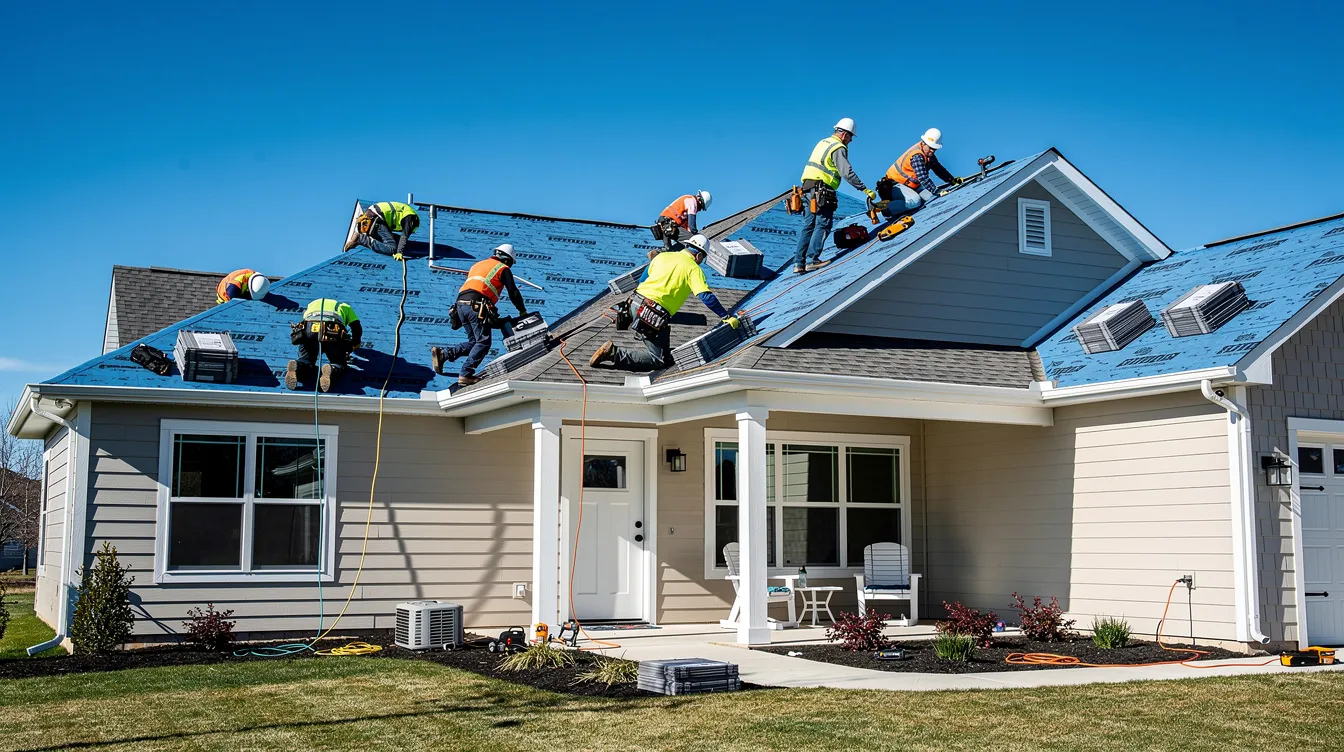
Instead of a random "top 10" list, this section ranks the main types of fix and flip hard money lenders you'll encounter. For each type, we cover who they serve best, what they typically offer, and how Gap Funded can complement them.
1. National Fix and Flip Hard Money Lenders
These are large, non-bank lenders operating across many or most U.S. states, focused exclusively on investor loans. Typical products include 12-month interest-only fix and flip loans, bridge loans for short term financing, and DSCR take-out options for BRRRR exits.
Why They Stand Out
National hard money lenders offer standardized processes, predictable underwriting, and tech-driven portals for draws and status updates. They often provide competitive leverage, with some offering up to 90 percent LTC and 75 percent ARV for experienced operators.
Best For
Experienced investors running multiple projects simultaneously across different states. Also well-suited for investors who value online access, quick approvals, and scalable credit lines.
Key Strengths
- Nationwide or multi-state reach for investors working in competitive markets like Texas, Florida, Georgia, Arizona, and the Carolinas
- Consistent closing timelines, often 7 to 14 days, with a clear draw schedule for renovation funds
- Option to pair with national DSCR or rental loans for BRRRR exits
Possible Limitations
- May have stricter minimums, such as 2 to 3 prior flips in the last 36 months, for best pricing
- Less flexibility on unusual properties, rural locations, or very low purchase price deals
- May still require 10 to 20 percent cash to close, which is where Gap Funded's capital-stacking can help
2. Regional and Local Hard Money Lenders
These are smaller lenders focused on specific metro areas or states. A fix and flip lender operating only in California or only in the Atlanta or Phoenix markets falls into this category. Loan terms can be highly relationship-based and sometimes more negotiable than national programs.
Why They Stand Out
Deep local knowledge of neighborhoods, renovation costs, and exit values. These lenders specialize in understanding local comps and are often comfortable with "uglier" properties or quirky situations like code issues, heavy rehab, or short-sale timelines.
Best For
Investors flipping within one primary market who want a long-term lending relationship. Also a strong fit for contractors and builders who can prove execution but may lack good credit or formal financials.
Key Strengths
- Ability to do site visits and make faster, common-sense decisions based on local comps
- Potential to negotiate custom deal structure options like longer initial terms, interest reserves, or flexible draws
- Better odds of getting exceptions approved once you've built a track record with them
Possible Limitations
- Limited geographic coverage, making them not ideal for multi-state portfolios
- May have higher costs or lower leverage on your very first deal
- Still typically won't cover 100 percent of total project costs, requiring additional gap funding
3. In-House Hard Money Programs from Real Estate Funds and Developers
Some real estate investment funds or experienced developers provide fix and flip loans using their own private capital. These private money lenders may also JV on deals or offer profit-share structures.
Why They Stand Out
Decisions are made by active investors who understand construction, permitting, and timelines. They can sometimes move extremely fast on deals they like and may co-invest equity.
Best For
Flippers with strong local relationships who don't mind sharing some profit for very high leverage. Also valuable for investors doing larger rehabs or small infill developments where "smart money" feedback is useful.
Key Strengths
- Potential for higher leverage when the lender participates in upside
- Hands-on oversight that can reduce project risk for newer operators
- May be willing to finance fix and flip projects that banks and institutional hard money lenders avoid
Possible Limitations
- Often want equity or a profit split, unlike Gap Funded which stays strictly debt-based and non-dilutive
- May impose stricter control over budgets, contractors, and changes
- Less standardized; loan terms can vary widely deal to deal
4. Online Fix and Flip Marketplaces and Fintech Platforms
These are tech-first platforms where you submit deals online. Underwriting and funding may be backed by institutional capital or pooled investors. They often feature online dashboards, automated document upload, and digital signatures.
Why They Stand Out
Highly streamlined applications with rapid pre-approvals and soft credit pulls. Transparent rate, point, and leverage matrices are typically published directly on their websites, so you know where you stand before you apply.
Best For
Borrowers comfortable with a digital-first process who value speed and self-service. Also strong for newer investors who want clear, standardized flip financing terms instead of opaque negotiations.
Key Strengths
- Fast conditional approvals, often within 24 to 48 hours of uploading a deal
- Automated ARV estimates backed by AVMs plus local appraisals or BPOs
- Some platforms integrate with gap funding or allow you to stack third-party capital like Gap Funded alongside their loans
Possible Limitations
- Less room for exceptions; if your deal doesn't fit their box, it's declined quickly
- May favor cookie-cutter properties in major metros over small towns or unique fix and flip deals
- Still often require 10 to 25 percent equity in the deal that must be sourced elsewhere
5. Private "Relationship" Lenders and High-Net-Worth Individuals
These are individuals or small groups using personal capital to fund flips, often discovered through networking, meetups, or local REI clubs. It's important to differentiate between true private lenders who charge interest and equity partners who take a share of profits.
Why They Stand Out
Very flexible terms: interest-only, profit splits, or hybrid structures. They can finance deals banks and even most hard money lenders would never touch, provided they trust your numbers and integrity.
Best For
Investors with strong local reputations and a consistent pipeline of deals. Also great for flippers who can present professional scopes, budgets, and timelines to individual investors.
Key Strengths
- Negotiable loan terms and potentially lower hard money loan costs if you provide strong returns over time
- May fund 100 percent of the purchase and rehab on smaller projects if combined with gap funding for fees and reserves
- Speed can be extremely fast once trust is established
Possible Limitations
- Source of capital is limited; they might not scale with you beyond a handful of projects
- Heavily relationship-dependent; risk of misunderstandings if terms aren't documented well
- Frequently expect profit participation, unlike Gap Funded's no-equity-split structure

Quick Comparison of Fix and Flip Hard Money Lender Types
Here's a fast way to match lender type to your situation. Each type carries distinct trade-offs, and the right choice depends on your experience, market, and how much own cash you can bring to closing. Regardless of lender type, most investors still need a plan to cover gaps, and that's where Gap Funded fits into every scenario.
At-a-Glance Summary
- National hard money lenders: Best for multi-state operators wanting standardized, scalable fix and flip capital.
- - Trade-off: stricter minimum credit score requirements and experience thresholds.
- Regional and local lenders: Best for investors focused on one metro who want a relationship lender with local insight.
- - Trade-off: limited geographic reach.
- In-house fund and developer programs: Best for larger or complex rehabs where shared upside and hands-on oversight are acceptable.
- - Trade-off: equity dilution.
- Online fintech platforms: Best for tech-savvy borrowers who want speed, transparency, and a digital loan process.
- - Trade-off: rigid underwriting boxes.
- Private relationship lenders: Best for experienced flippers with strong networks who can negotiate bespoke terms.
- - Trade-off: limited scalability and potential profit-sharing.
How to Choose the Right Fix and Flip Hard Money Lender
Choosing the right hard money financing partner means evaluating your strategy, timeline, and cash position, not just the advertised interest rate. Think about your next 12 to 24 months of deals, not just one flip project.
Choose Based on Your Experience Level
First-time flippers should prioritize lenders that offer clear communication, educational support, and comfort working with investors who have limited house flipping experience. Most lenders will require a higher down payment and charge more points for borrowers without a track record.
Mid-level and experienced investors should focus on higher leverage, lower origination fees, and repeat-borrower programs that reward volume. Many national and fintech lenders offer pricing tiers where your rate drops by 50 to 100 basis points after your third or fifth completed flip.
For newer investors who can't yet qualify for conventional financing or maximum hard money leverage, Gap Funded can fill the gap with non-dilutive capital for down payments and rehab reserves, without requiring the experience that most lenders demand for top-tier terms, especially when you structure fix and flip funding with no money out of pocket.
Choose Based on Deal Type and Exit Strategy
A clear exit strategy such as selling the renovated property is crucial when obtaining a hard money loan. These loans typically have terms of 6 to 24 months, and hard money loans are typically short-term, lasting 6 to 12 months for standard flips. Borrowers may face foreclosure risk if they default on a hard money loan, so planning your exit is not optional.
- Quick cosmetic flips (paint, flooring, landscaping) favor short term loans with 6 to 9 month terms and fast draw schedules
- Heavy rehabs need 12 to 18 month terms with structured renovation funds released in stages as milestones are completed
- BRRRR investors should prefer lenders that pair short-term fix and flip loans with DSCR or rental exit options, since DSCR loans qualify based on rental income, not personal income
Interest-only payments are common during the rehab phase, which preserves cash flow during construction but means you need a solid plan to repay principal at exit. Watch for prepayment penalties that could eat into your margin if you sell faster than expected.
Choose Based on Your Capital Stack and Gap Funding Needs
Here's what most lenders expect you to bring to the table:
- Down payment (10 to 30 percent of purchase price)
- Closing costs (1 to 3 percent)
- 3 to 6 months of interest payments in reserve
- Rehab contingency (10 to 20 percent above budget)
That adds up fast. On a $200,000 purchase with $50,000 in renovation costs and a $350,000 ARV, a hard money lender might finance $245,000 at 70 percent of ARV, leaving you to cover roughly $5,000 to $30,000 or more in gaps depending on how the deal structure shakes out.
Gap Funded can create that capital stack using non-dilutive tools: 0 percent business credit card stacking, personal term loans (personal loans can qualify for up to $100,000 without collateral), a home equity line of credit, or business lines of credit. You can also consider a vested account balance strategy such as 401(k) loans, which allow borrowing up to $50,000 from retirement savings, cash-out refinance loans that allow borrowing against home equity, or home equity loans that provide a lump sum at a fixed rate. Bridge loans serve as short term financing for quick property purchases when you need to move between deals. The minimum credit score for most gap funding tools is 650-plus, with verifiable income or equity in another property. Check your gap funding options for real estate investors and learn more about understanding gap funding for real estate projects to see what you qualify for.

Which Fix and Flip Funding Approach Is Best for You?
The right combination of hard money and gap funding depends on your profile. Here are scenario-based recommendations to help you decide.
Scenario-Based Recommendations
- If you're doing your first or second flip in a single market and need help covering the down payment and rehab costs:
- - Choose a regional or local hard money lender combined with Gap Funded gap funding. Both the investor and the lender benefit from local market knowledge, and gap funding fills the cash shortfall without diluting your equity.
- If you want to flip in multiple states and need scalable capital plus stacked 0 percent business cards or term loans:
- - Choose a national or fintech hard money platform combined with Gap Funded. This combination gives you the loan options and geographic flexibility to pursue deals wherever the numbers work.
- If you have strong local contacts who will fund most of the deal and you just need extra liquidity for fees, reserves, and overages:
- - Choose a private relationship lender combined with Gap Funded. Traditional mortgages and conventional loan products from credit unions or banks won't work for these deals, and hard money fix and flip programs from private lenders give you speed while gap funding handles the rest.
In every case, keeping funding non-dilutive through Gap Funded preserves 100 percent of your equity and profits, and it's important to understand gap funding requirements and how to qualify so you can plan your capital stack realistically. That's the difference between how hard money loans work alongside gap funding versus bringing in a money partner who takes 30 to 50 percent of your upside.
Final Thoughts: Building a Repeatable Fix and Flip Funding Strategy
The best fix and flip hard money lender is the one that fits your market, your strategy, and your experience level. There's no universal answer. A first-time flipper in Phoenix has different needs than a seasoned operator running 10 deals across three states. What matters is matching the right lender type with your deal flow, then stacking smart gap funding on top to eliminate cash shortfalls.
Hard money is a tool, not a business model. Profit in fix and flip investing still comes from buying right, managing rehab tightly, and exiting on time. The loan amount and interest rate matter, but they're secondary to finding deals at the right purchase price, controlling renovation costs, and having a clear exit strategy. Real estate investing rewards operators who treat every deal like a business, with detailed budgets, conservative ARV estimates, and enough reserves to weather surprises.
Build long-term relationships with both your primary lender and your gap funding partner. As your track record grows, your cost of capital drops, your leverage increases, and your ability to close on the next deal gets faster. That compounding advantage is what separates hobby flippers from professionals building real wealth through real estate.
Ready to see how much non-dilutive gap funding you can stack on top of your hard money approval? Apply for funding through Gap Funded with a quick, soft-pull application to check your loan options with no impact to your credit, no equity splits, and no liens on your deal property. Your next flip project is waiting.

Related Reading
This article is for educational purposes only and isn't financial, legal, tax, or investment advice. Credit and financing outcomes depend on your own situation. Talk to a licensed financial professional before making funding decisions for your business.