
DSCR Loans in Michigan: Complete Investor Guide to Income Based Rental Financing

DSCR Loans in Michigan: Complete Investor Guide to Income Based Rental Financing
Most real estate investors in Michigan don't struggle to find deals. They struggle to prove income the way a traditional mortgage lender wants them to. DSCR loans fix that problem, and this guide covers exactly how they work across Michigan markets, what they cost, and where the real cash bottleneck shows up.
Fast answer: How DSCR loans work in Michigan right now
Michigan DSCR loans let you qualify based on the property's income rather than your personal income. No W-2s, no tax returns, no employment verification. The lender looks at the rental income the property generates (or is projected to generate) versus its total debt obligations, and if the numbers work, you get the loan.
DSCR loans do not require traditional income verification for qualification. Instead, they allow investors to bypass personal debt to income limitations when acquiring properties. That makes them ideal for self employed investors, house flippers converting to holds, and anyone whose tax returns don't tell the full story.
Here's what the numbers look like right now:
- Most lenders require a minimum DSCR of 1.0 to 1.25, though some accept ratios as low as 0.75 under specific conditions
- Interest rates in Michigan typically fall in the 6.3% to 8.5% range, with a statewide median around 7.75% depending on credit score, leverage, and property type
- Standard LTV caps sit at 75% to 80% for purchases, meaning DSCR loans often require down payments between 20% and 25%
- Eligible properties include 1 to 4 unit investment properties, and some lenders finance small multifamily (5 to 8 units) when stabilised
- DSCR loan programs may include both fixed and adjustable rate mortgage options, typically 30 year terms
Gap Funded is not a DSCR lender. We specialise in gap funding that pairs with DSCR loans for down payment, closing costs, rehab, reserves, and working capital. More on that shortly.
Michigan investment market snapshot: where DSCR loans fit
Michigan's appeal for rental property investors comes down to maths: relatively low purchase prices, solid rent to price ratios, and diverse local economies spanning manufacturing, healthcare, education, and tourism. Michigan's median home prices sit around $225,000 statewide, which is well below coastal markets and gives DSCR ratios room to breathe.
Here's how it breaks down across major markets:
- Detroit working class neighbourhoods: Values of $60,000 to $150,000 are common, with Detroit offering rental yields of 10% to 14% in working class neighbourhoods. When properties are stabilised, DSCR can exceed 1.25 at 75% to 80% LTV. The catch is property condition, insurance cost, and tax lien history, which all need careful vetting.
- Grand Rapids, Kentwood, and Wyoming: Median home values run approximately $260,000 to $320,000 in 2025/2026. Grand Rapids has DSCRs of 1.1 to 1.3 for duplex deals and single family rentals, supported by steady population growth and strong rental demand.
- Ann Arbor: Ann Arbor's home values exceed $500,000 on average, with median 2 to 3 bedroom rents of $2,200 to $2,800. That pushes DSCR close to 1.00 at standard leverage, so underwriting is tighter and investors may need a larger down payment to make the coverage ratio work.
- Kalamazoo and Lansing: More moderate prices and stable tenant bases from universities and hospitals. Kalamazoo achieves DSCR ratios of 1.2 or higher at 80% LTV on well bought deals, making these markets efficient for scaling.
Michigan DSCR loans are especially useful for investors coming from higher cost states who want to acquire multiple properties without hitting conventional loan caps. Just know that older Michigan housing stock (pre 1960) requires extra attention for habitability and insurance, which directly affects your DSCR maths. Michigan's property tax rates range from 1.2% to 3.5% depending on municipality and school district, and those rates matter more than most investors expect.
What is a DSCR loan? (And DSCR vs conventional investment loans)
A DSCR loan is a non QM investment mortgage that uses the property's cash flow (rent) instead of the borrower's full personal income documentation to qualify. These are business purpose loans for non owner occupied rentals, and DSCR loans allow property purchases through an LLC for liability protection. Investors can qualify for multiple DSCR loans simultaneously, which is why portfolio builders love them.
Here's the DSCR vs conventional investment loans breakdown:
- Conventional loans: Lower rates and fees, but stricter DTI and income documentation requirements, caps on the number of financed properties, and tighter rules around LLC ownership. Local banks and credit unions sometimes offer portfolio loans with investor friendly terms, but they still rely heavily on personal income.
- DSCR loans: Easier scaling, flexible income documentation, more tolerant of self employed or 1099 investors. The trade off is higher rates and down payments. DSCR loans qualify based on property cash flow only.
- Other non QM options: Bank statement loans and asset depletion loans use different income evidence (bank deposits, liquid assets) rather than rental income. DSCR loans are one category within this broader non QM space.
Most DSCR lenders permit an unlimited number of financed properties as long as each file meets the coverage ratio and credit standards. That's a massive advantage over conventional investment loans, which typically cap out around ten.
Understanding the debt service coverage ratio (DSCR ratio)
The debt service coverage ratio is straightforward. DSCR is calculated as monthly rental income divided by PITIA (principal, interest, taxes, insurance, and association dues). A DSCR ratio of 1.0 means rent covers all expenses, or put another way, a 1.0 DSCR means rent exactly covers mortgage payments and carrying costs.
Numeric example (Michigan duplex): A duplex with gross rent of $2,200 per month and PITIA of $1,800 per month produces a DSCR of 1.22. That's comfortably above most lenders' minimum thresholds.
Here's how Michigan lenders typically price it:
- DSCR 1.25+ usually gets the best rates and maximum leverage up to 75% to 80% LTV
- DSCR 1.10 to 1.24 still qualifies but expect slightly higher rates or lower leverage. Most lenders prefer a DSCR ratio between 1.1 and 1.25.
- DSCR 1.00 (break even) can work with some programs, though with pricing adjustments. A good DSCR ratio is typically 1.0 or higher.
- Sub 1.0 DSCR loans exist but carry noticeably worse pricing and lower LTV. Some lenders accept DSCR ratios as low as 0.75 under specific conditions, though these are niche products not available in every market.
Some DSCR lenders will use market rent from a property appraisal (Form 1007 or rent schedule) if a unit is vacant, while others require a current lease or executed lease to verify the income. Property appraisals are required for DSCR loans to assess income potential regardless.
One Michigan specific trap: property taxes can affect DSCR calculations after ownership transfer. Under Michigan's Proposal A, the taxable value "uncaps" when a property changes hands, often causing the tax bill to jump significantly. Always model your DSCR off the projected post purchase tax bill, not what the seller is currently paying.
Typical DSCR lenders, terms, and credit score expectations in Michigan
DSCR lenders in Michigan include specialty non QM mortgage companies, private lenders, and some regional banks. Credit unions rarely offer true DSCR loan products but may do portfolio loans using DTI. Nationally recognised DSCR lenders like Visio Lending and Lima One Capital also originate in Michigan, alongside smaller regional shops.
Common DSCR loan terms in Michigan:
- Minimum loan amounts typically start around $100,000, with some lenders going as high as $2 million to $3 million on a single property
- 30 year fixed is the standard structure; interest only periods (5 to 10 years) and 40 year amortisation exist in some programs
- Purchase LTV up to approximately 80%; cash out refinances often capped at 70% to 75%
- Prepayment penalties are common, often structured as 3 to 5 year step downs
Credit score requirements:
- Most lenders require a credit score of 620 to 680 as the floor
- 700+ tends to unlock the best DSCR loans, with competitive rates and maximum leverage
- Below 660, expect lower LTV, higher reserves, and stricter DSCR ratio requirements
- For short term rental programs, many lenders want 660+ minimum
Lenders also review recent housing history (no recent foreclosures or evictions), public records, and reserves. Lenders typically require cash reserves of 3 to 6 months of PITIA payments for DSCR loans, with larger or riskier files needing more.
How DSCR loans work in key Michigan cities and submarkets
Each Michigan rental market has its own personality when it comes to DSCR underwriting. Here's what to expect:
- Detroit and Detroit submarkets: High gross yields attract investors, but variable property condition and insurance availability create friction. DSCR lenders require habitable collateral with working utilities, no boarded windows, and clear title (no Wayne County tax foreclosure risk). Neighbourhoods like Midtown, Corktown, and executive suburbs like Ferndale and Royal Oak move through underwriting more smoothly than severely distressed blocks.
- Ann Arbor and Ypsilanti: University driven demand keeps vacancy low. Rents for 3 to 4 bedroom homes near campus often hit $2,500 to $3,500, but high appraised value means the coverage ratio can be tight. First time investors in Ann Arbor often need a larger down payment or seller credits to improve their DSCR above 1.00 at standard leverage.
- Grand Rapids and Kentwood/Wyoming: Steady population and job growth, with solid duplex and small multifamily inventory. DSCR loans work well here for BRRRR style acquisitions once rehab is complete and units are leased. Experienced investors often use market rent analysis from appraisals to support refinance applications.
- Kalamazoo, Lansing, and East Lansing: Affordable pricing and consistent renter pools from universities and medical systems. DSCR lenders may scrutinise student rentals differently, looking at lease terms, co signers, and seasonal vacancy risk more closely.
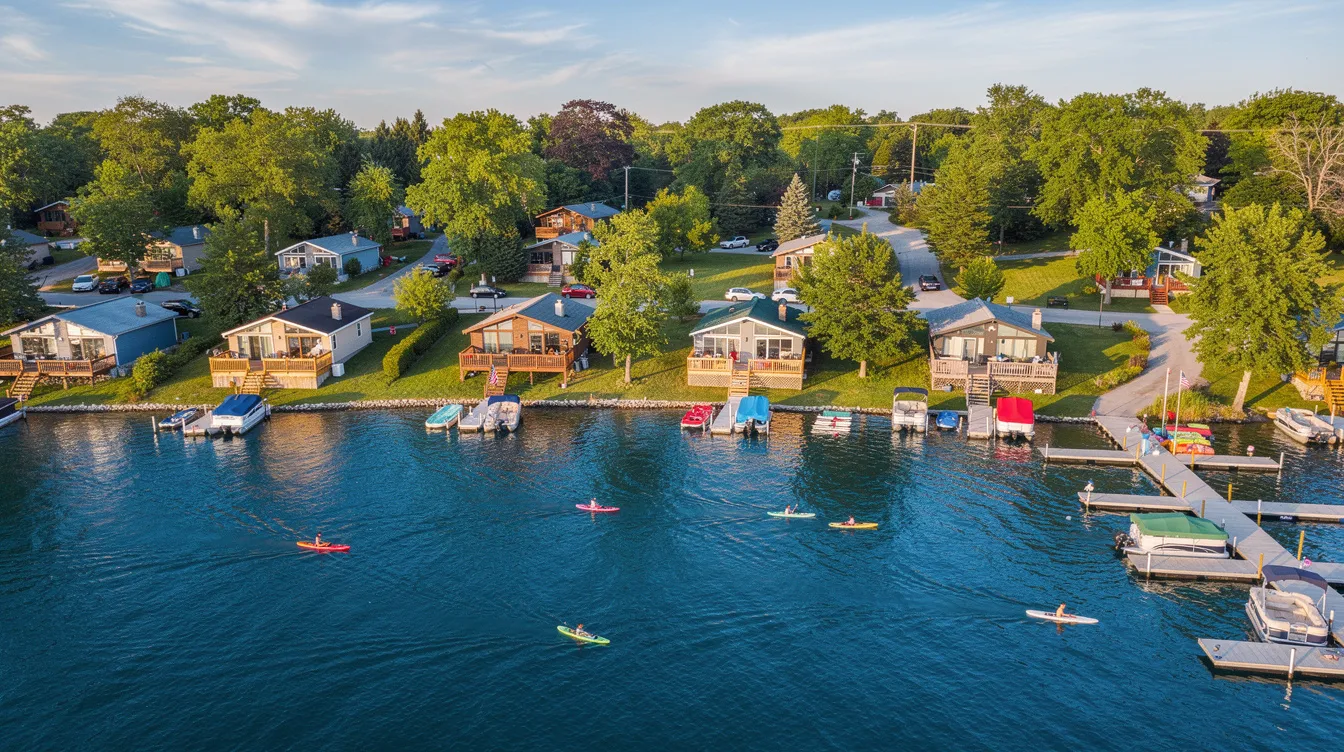
- Traverse City, Petoskey, and Lake Michigan shore: Some DSCR lenders accept short term rental income with caps on loan size (often up to $1.5 million to $2 million), proof of booking history or AirDNA style projections, and higher minimum DSCR requirements. Short term rental properties may qualify for DSCR loans if income potential is verified, but local STR ordinances can impact underwriting. Rental registration and inspections may be required by municipalities in Michigan, so confirm city rules before counting on Airbnb income.
Property and borrower requirements for a Michigan DSCR loan
Property eligibility:
- DSCR loans typically require property types such as single family rentals and multifamily units, specifically 1 to 4 unit non owner occupied homes, townhomes, warrantable condos, and small multifamily (5 to 8 units) when stabilised
- Properties must be habitable to qualify for DSCR loans: no major safety hazards, active code violations, or extensive deferred maintenance
- Many lenders avoid properties with knob and tube wiring, severe foundation issues, or missing mechanicals, especially common in older Detroit, Flint, or Saginaw housing stock
Borrower eligibility:
- Minimum credit score set by lender (often 620 to 680, with better pricing at 700+)
- No recent major credit events (bankruptcy, foreclosure) within program seasoning windows, typically 2 to 3 years
- Business purpose intent: property held for investment, not as a primary residence. Many lenders prefer or require LLC ownership. DSCR loans do not require traditional income verification, but lenders still review global credit behaviour.
Michigan specific checks:
- Confirm city inspections and certificates of occupancy (Detroit requires rental registration, for example)
- Clear water and sewer liens and delinquent property taxes, which are common issues in older Michigan municipalities
- Obtain realistic insurance quotes early, particularly in certain Detroit submarkets where premiums can be materially higher
While DSCR loans downplay personal income, lenders require proof that you can carry reserves across your portfolio. That's where the real cash crunch begins.
Pros and cons of DSCR loans for Michigan investors
Pros:
- Qualification based on rental income and coverage ratio rather than traditional tax returns and DTI. DSCR allows investors to bypass personal debt to income limitations.
- Ability to close in an LLC or entity, which is harder with many conventional loans
- Scalable structure: no strict cap on the number of financed properties, supporting portfolio building across markets like Detroit, Grand Rapids, and Kalamazoo. Investors can have multiple DSCR loans simultaneously.
- Easier path for a self employed contractor, self employed investors, foreign nationals, and out of state buyers with complex finances
- No employment verification or income verification needed
Cons:
- DSCR loans often have higher interest rates than conventional loans, sometimes 1.5% to 3% higher depending on the cycle
- Larger down payments (20% to 25% typical) and sometimes stricter reserve payment requirements, especially in weaker submarkets
- Sensitivity to vacancies and rent drops. Vacancies can negatively impact cash flow from DSCR loans, and if rent falls and DSCR deteriorates, refinancing or cash out refinances shrink
- Older housing stock repairs and insurance difficulties in parts of Michigan add risk
I'd recommend modelling several DSCR scenarios before committing. Run a 10% rent drop, plug in updated tax values after Michigan's taxable value "pop up," and stress test your long term market rent assumptions. Over leveraging is the fastest way to turn a good deal sour.
Where the real funding gap shows up with DSCR loans in Michigan
Here's the thing most articles about Michigan DSCR loans skip: getting loan approval is only half the battle. The other half is having the cash to actually close and stabilise the property.
Michigan investors often find a strong DSCR loan scenario (solid rent roll, good coverage ratio, cooperative lender) but fall short on:
- Full down payment of 20% to 25%. A down payment of 20% is typically required for DSCR loans.
- Closing costs and points, especially on multi property purchases
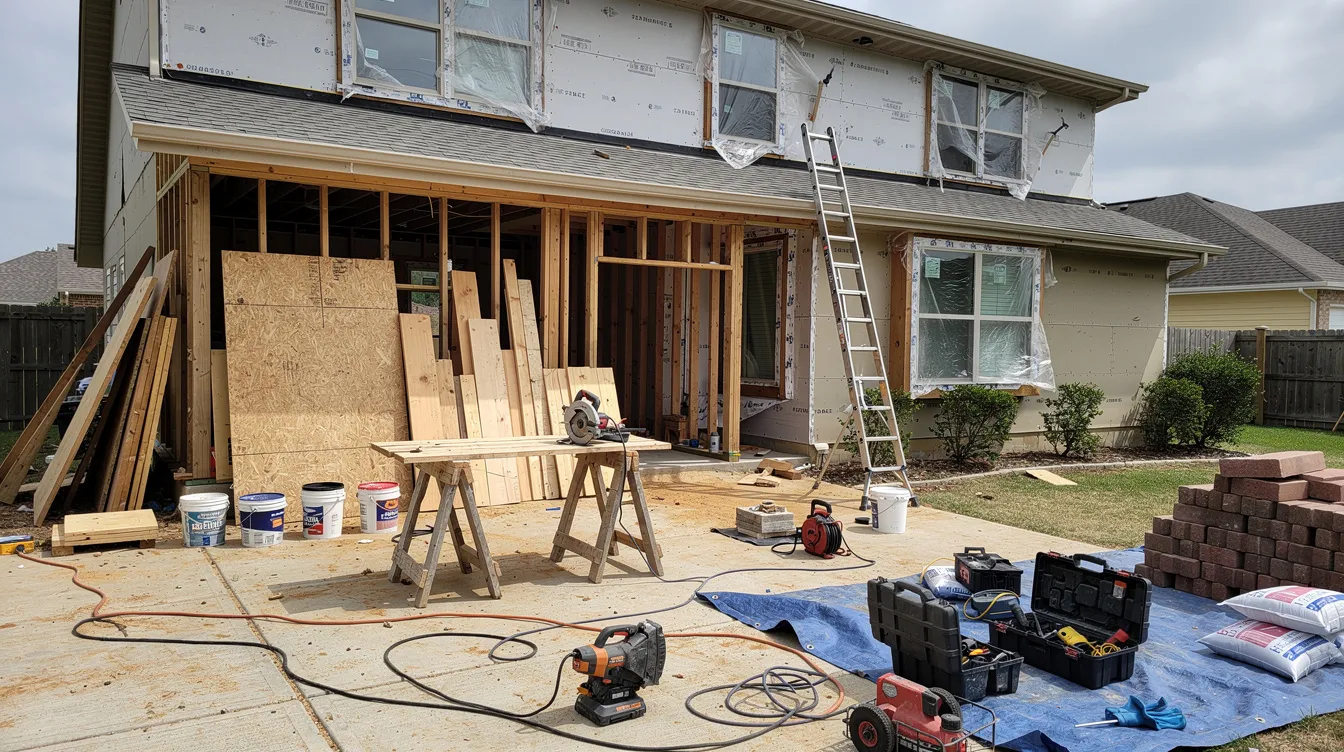
- Rehab funds to bring older Michigan properties from "close but not quite" to lender ready property condition
- Required reserves (3 to 12 months PITIA) and working capital for holding periods during lease up
Concrete example: A Detroit duplex listed at $160,000. Your DSCR lender agrees to 80% LTV, giving you a $128,000 loan. But you still need $32,000 for the down payment, roughly $12,000 for rehab, and another $6,000 or more for closing costs and reserves. That's over $50,000 in liquid cash that many capable investors simply don't have sitting in a bank account.
That's the funding gap. It sits between what DSCR lenders are comfortable financing and the total real cash needed to close and stabilise the project. Gap Funded exists specifically to fill it.
How Gap Funded closes that gap for Michigan DSCR investors
We don't replace DSCR loans. We stack unsecured and asset based capital on top of what DSCR lenders offer so you can actually close and execute the plan. Investors usually start by lining up the main DSCR loan approval, then use our tools to cover what's left.
Here's the typical tool order for a Michigan DSCR deal (and the order matters, because applying out of sequence can knock out later approvals):
- Debt consolidation: Used strategically first to lower existing high interest consumer debt obligations, potentially increasing free cash flow and strengthening your profile before a DSCR lender reviews credit.
- Unsecured gap funding: Personal term loans and flexible capital to cover earnest money deposits, down payment shortages, and reserves. These funds move fast and do not place liens on the investment property being financed.
- Business credit card stacking at 0% intro APR: Ideal for rehab materials, minor renovations, furnishing a short term rental in Traverse City, or carrying operating expenses during lease up while preserving cash for appraisals and inspections.
- HELOCs on primary or investment properties: For investors who already own equity in Michigan or out of state properties and want to tap it for a large down payment on multiple DSCR purchases.
- Hard money bridge financing: Reserved for heavy rehab or distressed Detroit submarkets where a DSCR lender won't initially fund. The property is stabilised first, then refinanced into a DSCR loan.
Realistic qualification: most unsecured and card stacking options require roughly 650+ FICO, verifiable income, and clean recent payment history. We perform soft pulls initially so you can explore without harming your credit score.
Gap Funded does not require equity splits, does not place liens on the DSCR deal property itself, and can move quickly so your purchase contract stays on schedule.
Ready to see what you qualify for? Apply for a scenario review. One application evaluates multiple funding tools at once.
Step by step: from Michigan rent roll to funded DSCR loan plus gap fundingStep by step: from Michigan rent roll to funded DSCR loan plus gap funding
- Step 1 - Underwrite the deal yourself. Estimate market rent (or firm lease rate), property taxes based on post transfer values, and insurance. Calculate an estimated DSCR ratio and decide your target loan amount and down payment. Detroit vs Ann Arbor vs Grand Rapids will produce very different numbers.
- Step 2 - Pre qualify with a DSCR lender. Provide your credit profile, subject property details, target loan amount, and rent expectations. Confirm the minimum DSCR, credit score, and reserves required for your Michigan location and property type.
- Step 3 - Identify your funding gap. List all cash needs: down payment, closing costs, rehab or turn costs, reserves, earnest money, and contingency. Compare this against your liquid cash to determine the shortfall.
- Step 4 - Engage Gap Funded. Apply once with your credit range (no hard pull at this stage) and deal summary. We map your gap to specific tools: unsecured term loans, 0% business credit cards, potential HELOCs, or short term bridge funds.
- Step 5 - Package the DSCR and gap funding together. Time draws or card usage so rehab and closing costs are funded without slowing the DSCR lender's underwriting. Keep documentation clean: purchase contract, appraisal, rent roll or lease, rehab budget, and proof of funds.
- Step 6 - Close, stabilise, and reposition. Complete rehab, stabilise rents, then optionally refinance or scale into your next Michigan property using the same structure.
Frequently asked questions about DSCR loans in Michigan
- What credit score do I need for a DSCR loan in Michigan? Most DSCR lenders want 620 to 680 as a minimum. A score of 700 or higher tends to qualify for the best DSCR rates, maximum leverage, and competitive rates on loan products.
- What DSCR ratio do Michigan lenders require? Many programs want at least 1.10 to 1.25. Most lenders prefer a DSCR of 1.1 to 1.25 or higher, though some allow 1.00 or even slightly below with pricing and LTV hits. Sub 1.0 DSCR loans are niche.
- How much do I need to put down? Expect 20% down (80% LTV) for purchases. Some lenders may offer 15% down at higher rates, while cash out refinances often cap at 70% to 75% LTV.
- Can I use gap funding or personal loans for the down payment? Many DSCR lenders require that down payment funds be sourced and seasoned but don't always prohibit unsecured loans as the source. Confirm with your specific DSCR lender. Gap Funded provides unsecured capital that doesn't place a lien on the subject property.
- Can I close my Michigan DSCR loan in an LLC? Yes. Most DSCR lenders allow entity ownership for business purpose loans, which is a key advantage over conventional investment loans.
- Will a DSCR loan finance a Detroit property needing major rehab? Typically no. Lenders want habitable collateral at closing, so heavy rehabs are usually done with hard money or bridge loans first and then refinanced into a DSCR loan once stabilised.
- Are DSCR loans available for short term rentals in Michigan? Many programs will underwrite STRs in markets like Traverse City with proof of bookings or market projections, but they may cap loan size, discount projected income, and require higher DSCR ratios.
- Can I combine DSCR loans with other funding sources? Yes. Investors frequently pair DSCR loans with unsecured gap funding, business credit cards, HELOCs, or partner capital, as long as they stay within lender guidelines and fully disclose all debt obligations.
- How do Michigan property taxes affect my DSCR after I buy? Michigan property taxes can affect DSCR calculations after ownership transfer because the taxable value uncaps. Always underwrite off projected post purchase taxes, not the seller's current bill.
Still have questions? Request a review call and we'll walk through your specific deal.
Next steps: structuring your Michigan DSCR deal with Gap Funded
DSCR loans let Michigan investors qualify on rent. But the real bottleneck is almost always cash for down payments, rehab, and reserves. Gap Funded exists to solve that bottleneck, not replace your DSCR lender.
Here's what I'd suggest: map out one real deal. Price, market rent, estimated DSCR, available cash. Then see how much faster you can scale if the funding gap is solved with unsecured and asset based tools. No equity splits, no liens on the DSCR collateral property, fast execution, and soft pull prequalification for most programs.
Submit a quick application and we'll build a customised capital stack that pairs with your DSCR loan strategy. One application covers every tool we offer.
Related Reading
This article is for educational purposes only and isn't financial, legal, tax, or investment advice. Credit and financing outcomes depend on your own situation. Talk to a licensed financial professional before making funding decisions for your business.