
Colorado Hard Money Loans: Fast Funding and Gap Financing for Real Estate Investors

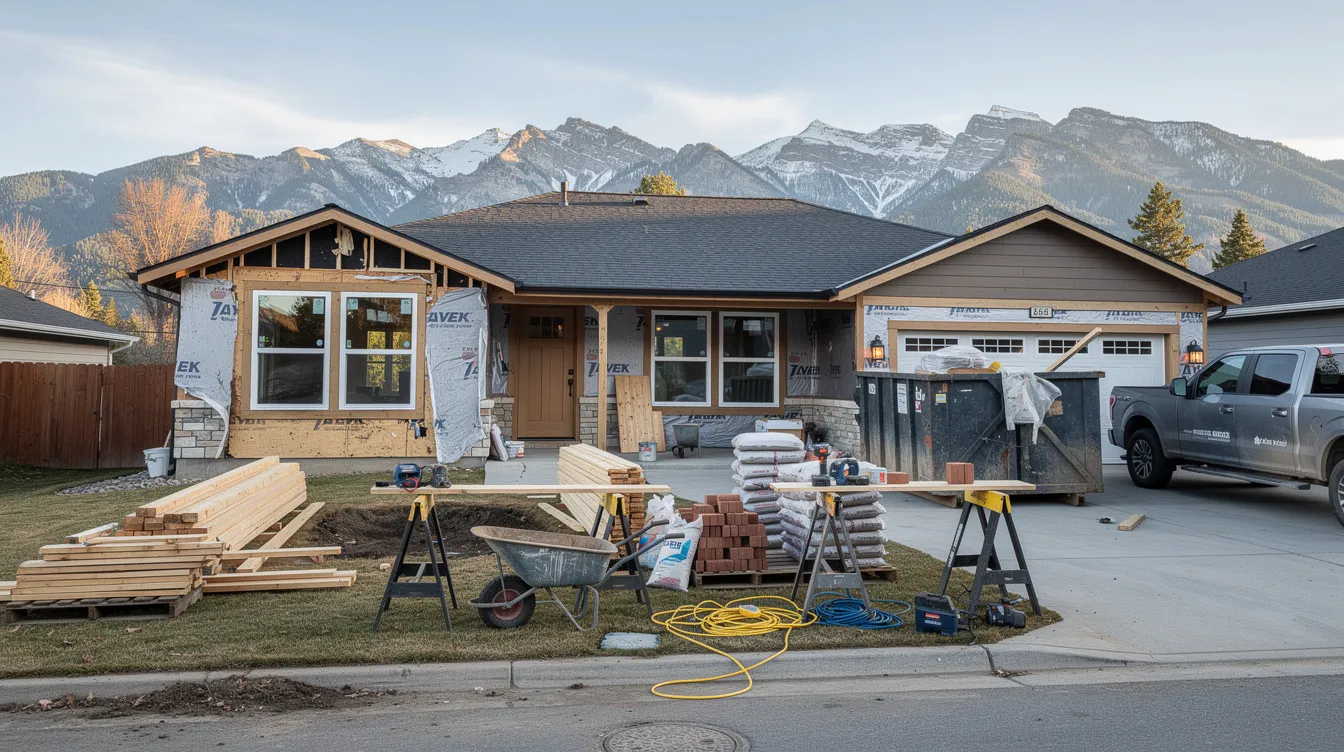
Colorado Hard Money Loans: Fast Funding and Gap Financing for Real Estate Investors
Most real estate investors in Colorado don't lose deals because they can't find a hard money lender. They lose deals because the lender covers 65% to 75% of the property value, and the remaining cash needed to actually close isn't sitting in a bank account. This guide covers how Colorado hard money loans work, what they cost, who uses them, and how to fill the gap between what your lender funds and what your deal actually requires.
Colorado Hard Money Loans Explained
A Colorado hard money loan is a short term, asset backed financing option secured by real property. Private or non bank lenders provide these loans to real estate investors who need speed, flexibility, or both. Hard money loans can finance single family investment homes, commercial properties, condos, duplexes, and mixed use buildings across the state.
Who uses them? Fix and flip investors chasing dated ranches in Aurora. BRRRR operators buying distressed duplexes in Colorado Springs. Short term rental buyers grabbing ski condos near Breckenridge. Small developers building infill townhomes along the Front Range from Denver to Fort Collins. The common thread: these borrowers need capital faster than a traditional bank will move.
Core terms you'll see from Colorado hard money lenders: 6 to 24 month terms, interest rates from 8% to 15%, origination fees of 2 to 4 points, and loan to value ratios between 65% and 75%. Lenders focus on property value, not borrower credit history. Your exit strategy matters more than your tax returns.
Gap Funded is not a hard money lender. We're a funding partner that fills the shortfall between what your hard money lender approves and what you need to close. Down payments, closing costs, rehab capital, earnest money. No lien on your deal property, no equity splits.
How Hard Money Works in Colorado Real Estate
Here's the lifecycle of a typical deal. An investor spots a distressed property in Denver or Pueblo, gets proof of funds from a Colorado hard money lender, and submits an offer. Hard money loans can close within 5 to 10 days, which is the difference between winning and losing in competitive markets. Compare that to 45 to 60 days for a conventional mortgage with full documentation, DTI scrutiny, and tax return reviews.
Underwriting is asset driven. Lenders evaluate the subject property based on its current condition or after repair value (ARV), pull Colorado market comps, review the project budget, and weigh borrower experience. More completed flips often means better rates and higher leverage. Some lenders offer zero down to borrowers with two or more flips when purchase plus rehab stays under 70% ARV.
The loan structure is straightforward: interest only monthly payments during the term, with a balloon payment at maturity. Extension options exist if your rehab runs long, and some lenders charge no prepayment penalty if you finish early. Common property types include non owner occupied single family homes, small multifamily (two to four units), light industrial, small retail, and some land.
Hard money loans are suitable for properties that traditional banks may reject due to condition. A house with a caved in kitchen ceiling or knob and tube wiring won't qualify for a conventional mortgage. It will qualify for hard money.
Types of Colorado Hard Money Loans (Bridge, Fix and Flip, Cash Out)
Bridge loans help investors or homeowners buy a new property before selling the old one. Upgrading from a Lakewood home to a larger place in Highlands Ranch? A short term bridge loan covers the new purchase while the old property sells. Investors also use bridge loans to grab a small office in Denver's RiNo while waiting on SBA financing. Rates on Denver hard money loans for bridge deals typically run 9% to 13%.
Fix and flip loans cover both purchase and rehab, structured around ARV. Picture a 1960s ranch in Aurora purchased below market, rehabbed in four to six months, then sold at full market value. Hard money loans are frequently used for fix and flip projects and urgent cash purchases. Hard money loans can help investors preserve cash for property renovations and other expenses by financing both acquisition and rehab draws.
New construction and value add loans fund infill townhomes in Denver, ADUs in Colorado Springs, or small spec builds in Fort Collins and Longmont. These deals use loan to cost rather than pure LTV, with some programmes financing up to 100% of construction costs via draws for experienced builders.
Cash out refinance hard money lets investors pull equity from free and clear rentals or low leverage investment properties to fund other deals. Think of it as unlocking capital trapped in a stabilised property without selling it.
Gap Funded can stack behind any of these loan types as gap capital for down payment, earnest money, or finishing rehab when the original budget runs over.
Colorado Hard Money Loan Terms, Costs and Flexible Terms Explained
Colorado hard money is not cheap. Understanding what you're paying for, and when that cost is justified, separates profitable deals from expensive mistakes.
- Interest rates: 8% to 12% for experienced investors on lower risk deals in metro Denver or Colorado Springs. 12% to 15% for higher risk profiles, rural properties, or mountain towns with fewer comps. CLS CRE reports rates from 9% to 14% on commercial hard money in Denver.
- Origination points: Borrowers typically pay 2 to 4 points at loan closing. A two point fee on a $350,000 loan amount is $7,000 in upfront fees before any other costs.
- LTV and LTC: 60% to 70% of purchase price or current value. Up to 70% to 75% of ARV on strong flips for experienced borrowers. New construction may use LTC with draws against completed work.
- Other fees: Underwriting, doc prep, title, recording, and sometimes appraisal or in house inspection. Colorado Hard Money waives formal appraisals on certain deals, using internal valuations instead.
- What flexible terms actually means: ability to fund properties needing major repairs, quick closes in 3 to 10 business days, interest only payments, and creative collateral arrangements like cross collateralising multiple Colorado properties.
- Risk: Hard money loans typically have terms ranging from 6 to 36 months, but short maturities create pressure. Default interest kicks in if you miss your exit window. Colorado uses a non judicial foreclosure process through public trustees, with sale dates set 110 to 125 days after recording the Notice of Election and Demand. Hard money loans in Colorado must comply with federal and state regulations, including licensing. Borrowers need to provide a substantial down payment of typically 20% to 40%.
Who Uses Colorado Hard Money (Investor Profiles and Local Use Cases)
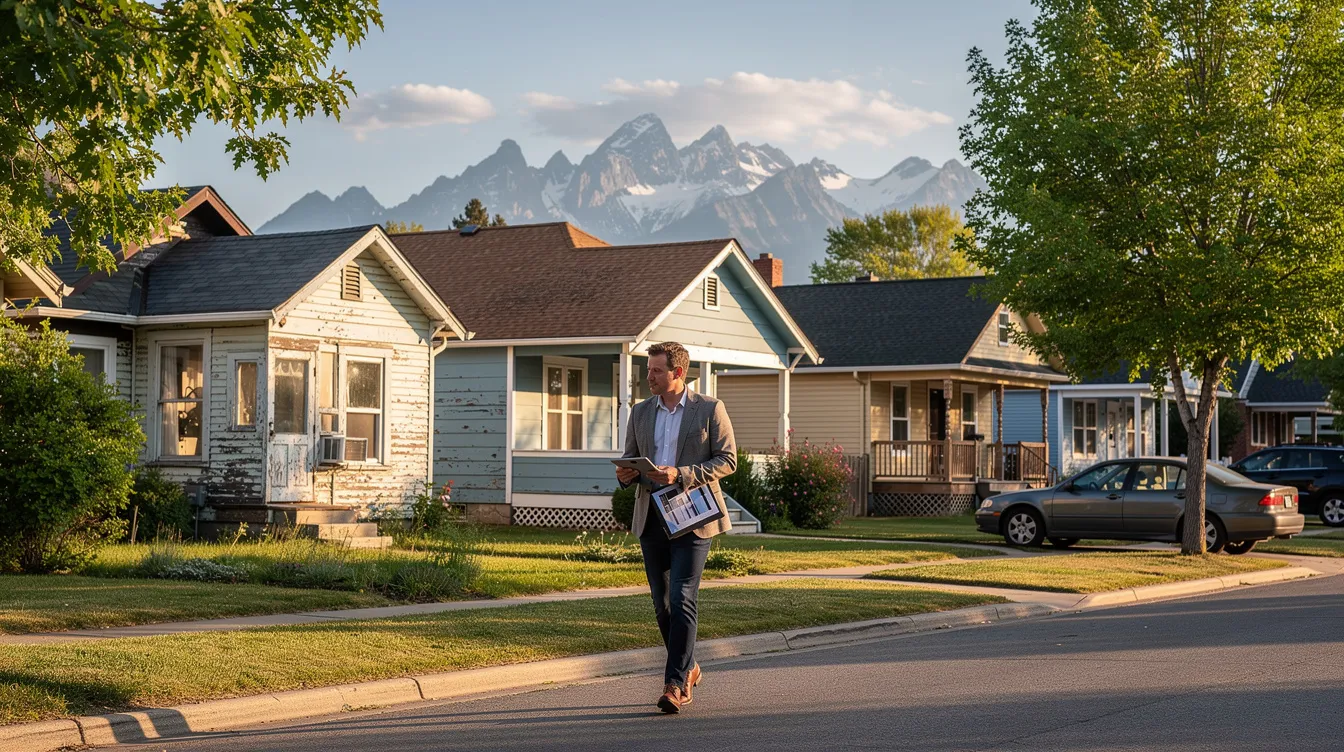
Fix and flip investors work across Denver metro: Arvada, Lakewood, Thornton. They buy dated homes at a discount, complete modern rehabs in under six months, and sell. Hard money loans are ideal for competitive real estate markets where these properties move fast.
BRRRR and rental investors buy distressed small multis in Colorado Springs or Greeley, stabilise with renovations and leases, then refinance into DSCR loans for long term financing. This exit path replaces the hard money with permanent debt and frees capital for the next deal.
Short term rental and ski market investors acquire nightly rental properties near Breckenridge, Vail, or Estes Park with hard money, then refinance after proving Airbnb or VRBO income. Seasonal cash flow and local STR permit rules add complexity, but the margins in mountain markets justify higher interest rates for investors who do the homework.
Small business owners occasionally use Colorado hard money for light industrial, small retail, or mixed use commercial space when traditional lenders won't move fast enough. Developers and value add players tap bridge style hard money for ground up infill, ADUs, or heavy repositioning along the Front Range before securing long term financing.
Colorado Hard Money Lenders vs Banks vs Other Options
Hard money lending is faster and more flexible than traditional lending. A direct lender offering Denver hard money can typically close in 7 to 10 business days. A traditional bank takes 45 to 60 days, requires full doc underwriting, and won't touch a property in rough shape. For a time sensitive off market deal in Denver, that speed gap is worth the higher interest rates.
But hard money isn't the only alternative. HELOCs on a primary or investment property offer lower rates but slower execution. Business term loans and business lines of credit work for working capital but aren't always accepted for real estate acquisitions. Private partner equity avoids debt but means sharing profits and giving up complete control.
Gap Funded does not replace the first position Colorado hard money lender. We provide loans and capital in unsecured and secondary positions, covering down payments, closing costs, rehab overruns, and working capital that traditional lenders and hard money lenders won't cover. No lien on your deal property, no equity dilution.
The Real Funding Gap in Colorado: Down Payments, Rehab and Working Capital
Here's the part most Colorado hard money articles skip. Even after a lender says yes, you still need cash. Most hard money lenders will not fund 100% of a deal. Loan to value ratios of 65% to 75% mean the borrower covers the rest.
The gaps add up fast: 20% to 30% down payment on a Denver fix and flip, earnest money to get offers accepted in competitive markets, cost overruns when rehab reveals surprises behind the walls, holding costs while permits drag, and working capital for marketing or furnishing a short term rental.
Example: you get a 70% LTV hard money approval on a $450,000 Aurora property with an ARV of $450,000. Your loan is $315,000. You still need roughly $90,000 or more for down payment, closing costs, and first rehab draws. Hard money loans can provide funding for distressed properties quickly, but that remaining capital has to come from somewhere.
This gap is why deals stall. Investors get approved, then can't close because the cash isn't there.
How Gap Funded Complements Colorado Hard Money (Tools and Order of Use)
Gap Funded works alongside Colorado hard money lenders and real estate investors, never against them. The order you apply for these tools matters because pulling credit for one product in the wrong sequence can reduce approval odds on the next. Here's the right sequence:
- Credit card stacking at 0% APR: Multiple business and personal cards with 0% intro periods (9 to 18 months) cover smaller gaps like EMDs, light rehab, or holding costs. No property collateral required. This comes first because it doesn't affect term loan approvals.
- Unsecured personal term loans: Fixed term, no collateral loans for defined amounts. Good for larger down payments or rehab funding. Typical qualification: FICO 650 to 700+, verifiable income.
- Business lines of credit: Revolving credit for investors with 2+ years in business and $20K+ monthly revenue. Smooths cash flow between draws and reimbursements from your hard money lender.
- HELOC on existing property: Tapping equity in a primary or investment property creates a reusable capital fund for multiple deals. Use the HELOC calculator to estimate available equity. This comes after unsecured tools because it ties to real estate collateral.
- Debt consolidation: Consolidating expensive personal or business debt improves monthly cash flow and credit profile, making you a stronger borrower for both hard money and DSCR refinances.
Realistic qualifications: most Gap Funded options fit borrowers with 650+ FICO, verifiable income or business revenue, and responsible recent credit history. If you've had a recent bankruptcy or foreclosure, rebuilding first is the honest path. We don't pretend otherwise.
If you have a Colorado deal in progress or want your funding mapped before you start shopping, apply here for a personalised funding review.
Choosing the Right Colorado Hard Money Lender (and Making Them Say Yes)
Vet your lender before you need them. Here's what to look for:
- Track record in your specific Colorado submarket. A lender comfortable with Denver metro flips may not have a deep understanding of mountain town deals near Vail or rural properties on the Western Slope.
- Speed to close. Can they fund in 5 to 10 days, or do they need three weeks?
- Transparent fee structure. Ask for interest rate, points, prepayment penalties, extension terms, and inspection fees upfront. Read client reviews from borrowers who did similar deals.
- Questions to ask: max LTV on different property types, minimum FICO if any, whether they accept non traditional properties (condos, ski condos, short term rentals), and how draw schedules work.
A strong loan package includes a clear deal summary, purchase contract, rehab budget with contractor bids, ARV comps, a personal financial snapshot, and your exit strategy (sale, DSCR refi, or cash out refinance). Arriving with gap funding already positioned through Gap Funded makes you a more attractive borrower. You're better capitalised, less likely to default mid project, and able to cover holding costs if timelines shift.
Client Results, Risk Management and Next Steps
Successful investors treat Colorado hard money as a tool within a broader investment strategy, not a crutch. They buy with margin, budget 10% to 20% for contingencies, and use conservative ARVs. Review Gap Funded client results to see how investors have paired gap funding with hard money to close deals and scale safely.
Risks to watch: market softening in specific Colorado submarkets, permitting delays (common in mountain areas), contractor overruns, and refinance risk if DSCR guidelines tighten. Colorado's HB24 1098 changed eviction and non renewal rules, which can affect rental profitability on BRRRR exits. Build extra reserves using gap tools where the numbers support it.
Map your full capital stack before writing offers: first position Colorado hard money lender, Gap Funded unsecured or asset based capital, and personal reserves. If you're planning a Colorado real estate purchase or refinance, complete a quick application at gapfunded.com/apply for a funding review that coordinates your hard money with the right gap tools. No impact to your credit to check your options.
Related Reading
This article is for educational purposes only and isn't financial, legal, tax, or investment advice. Credit and financing outcomes depend on your own situation. Talk to a licensed financial professional before making funding decisions for your business.